From stopping to expanding:
Three perspectives on the future of European pig farming; Jessika van Leeuwen, Member of the European Parliament — Frank Mandersloot, co-owner of a veal farm — Dorin Crizbasan of the Romanian company Doripesco shares his views.
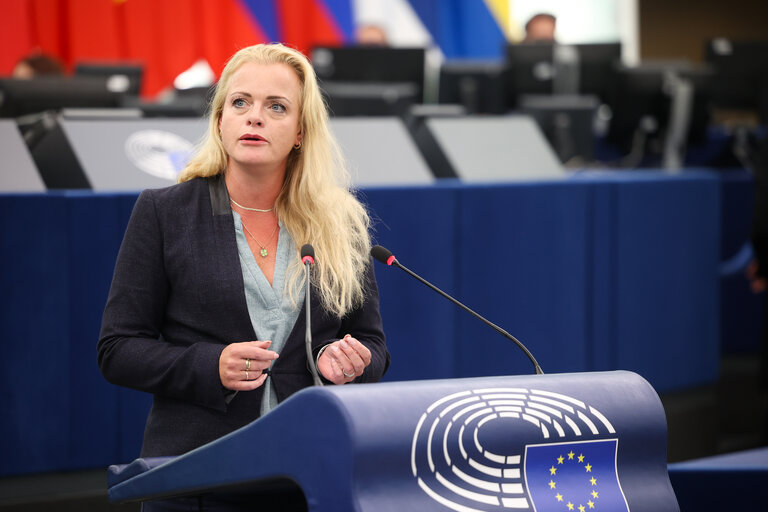
"Europe desperately needs Dutch agricultural innovation"
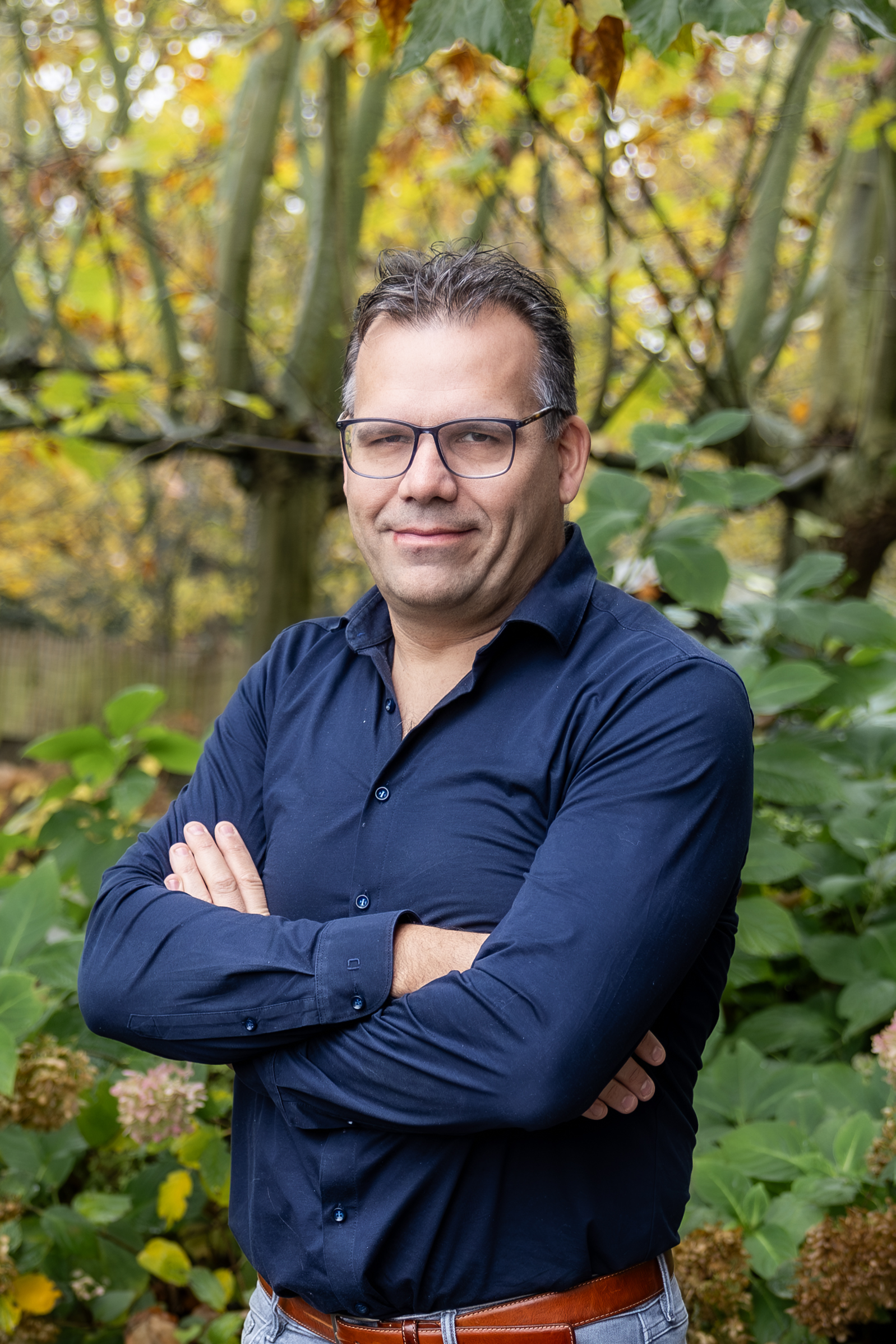
As a newly elected Member of the European Parliament for the Farmer-Citizen Movement (BBB), Jessika van Leeuwen brings not only a fresh perspective to Brussels, but also deep roots in the agricultural sector. With a background in animal sciences, a PhD in sow fertility, and years of experience in the pig industry, she understands better than anyone how farmers think and what they need. “Farmers deserve not only appreciation, but also fairer rules,” says Van Leeuwen.
Innovation as strength and pitfall
The Netherlands is known as a global leader in agricultural innovation. Technological advances, from nitrogen reduction to precision farming, often originate from Dutch hands. Yet Van Leeuwen also sees a downside. “Our drive to excel imposes strict rules on us, which often weigh heavily on farmers. Innovation should bring freedom, but it is now being used to justify even stricter regulations.”
According to Van Leeuwen, Dutch farmers are partly standing in the way of their own success. “Because we are so far ahead, we become the standard. That is admirable, but also unsustainable. We need to ensure these innovations are rolled out more widely across Europe, so that other countries also contribute to more sustainable agriculture.”
Differences in rules and farming climate within the EU
Although the European Union strives for a level playing field, reality proves more stubborn. “Regulations are interpreted differently by each country,” Van Leeuwen explains. The Netherlands strictly follows Brussels’ regulations, while other member states often enforce them less rigorously. This leads to unfair competition, in which Dutch farmers lose out.
On top of that, farmers in countries like Romania and Hungary often receive subsidies to start new businesses. In the Netherlands, however, the opposite is true: farmers are quitting en masse due to strict rules, high costs, and a negative business climate. “We see a vicious circle. The countryside is emptying, facilities are disappearing, and with them the future for new generations of farmers,” warns Van Leeuwen.
The emotional impact of quitting
The decision to stop hits farmers hard, regardless of their sector. “For many farmers, it’s not just a job, but a way of life,” says Van Leeuwen. She describes how the negative social climate plays a role in the declining succession. “If children are ashamed to say they come from a farm, that’s a major barrier to continuing the family business. There is a lack of appreciation, while that is exactly what farmers who work hard every day to produce food need.”
A new perspective in Brussels
From her seat in the European Parliament, Van Leeuwen wants to work for fair rules and a better business climate. “We need to stop piling on rules and unnecessary administrative burdens,” she emphasizes. Together with BBB, she is working on clearer and fairer agricultural policy. Innovation must play a key role in this.
Her ideal vision for the future? “A Europe where the Netherlands continues to lead in innovation, but where other countries also embrace these technologies. Not to compete with each other, but to strengthen each other. Only together can we ensure food security in Europe.”
According to Van Leeuwen, it is crucial that Brussels not only enforces rules, but also rewards countries that are already ahead. “We should not punish the Netherlands, but recognize it as the engine of European agricultural innovation.”
With her scientific background and strong ties to the agricultural sector, Jessika van Leeuwen brings a valuable voice to Brussels. She advocates for more equality in the EU, a business climate that rewards innovation, and a society that values farmers. “If Europe wants to retain the strength of Dutch agriculture, we must invest together in fair opportunities and future-proof solutions.”
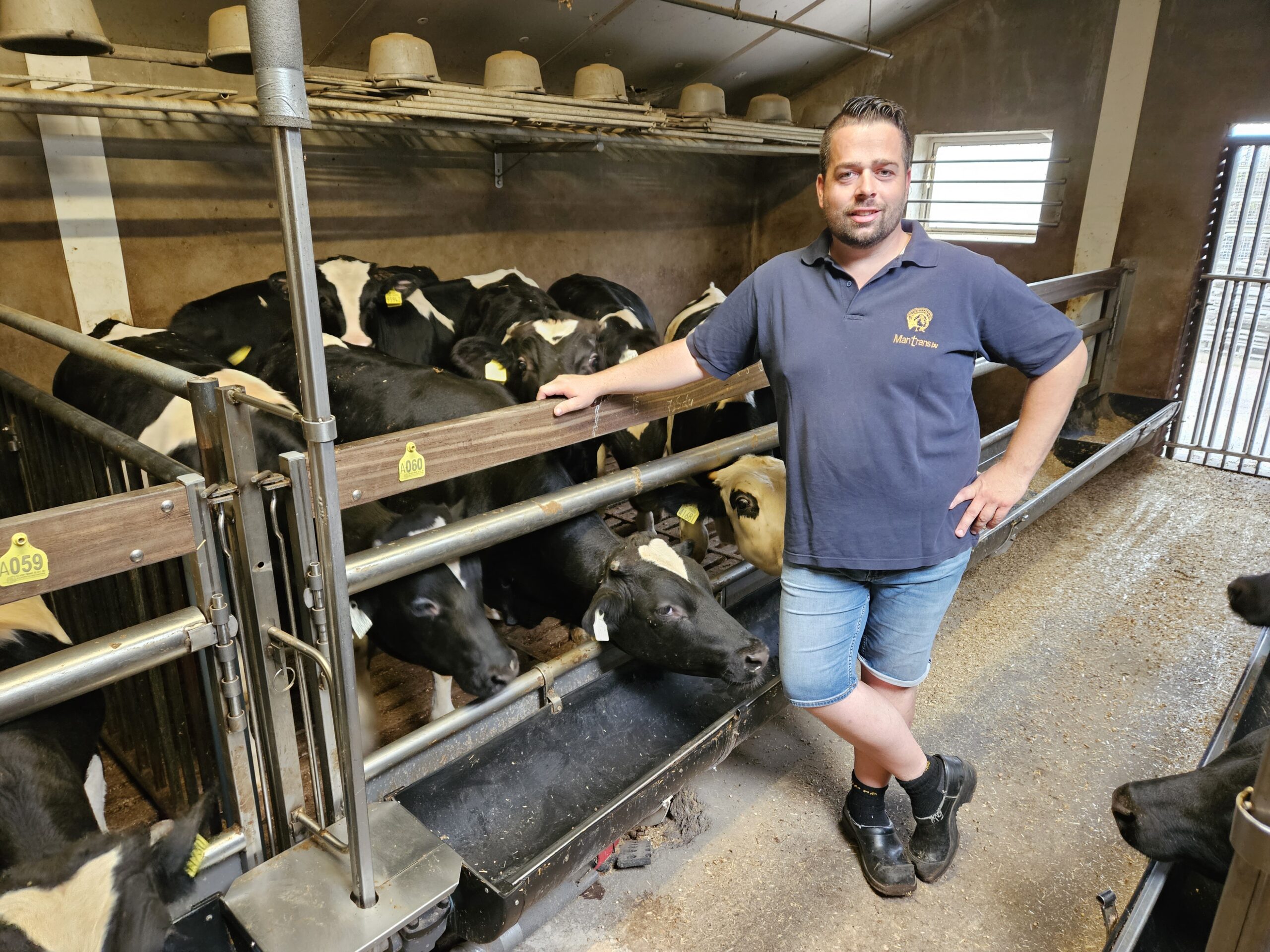
A new future after 100 years of family history
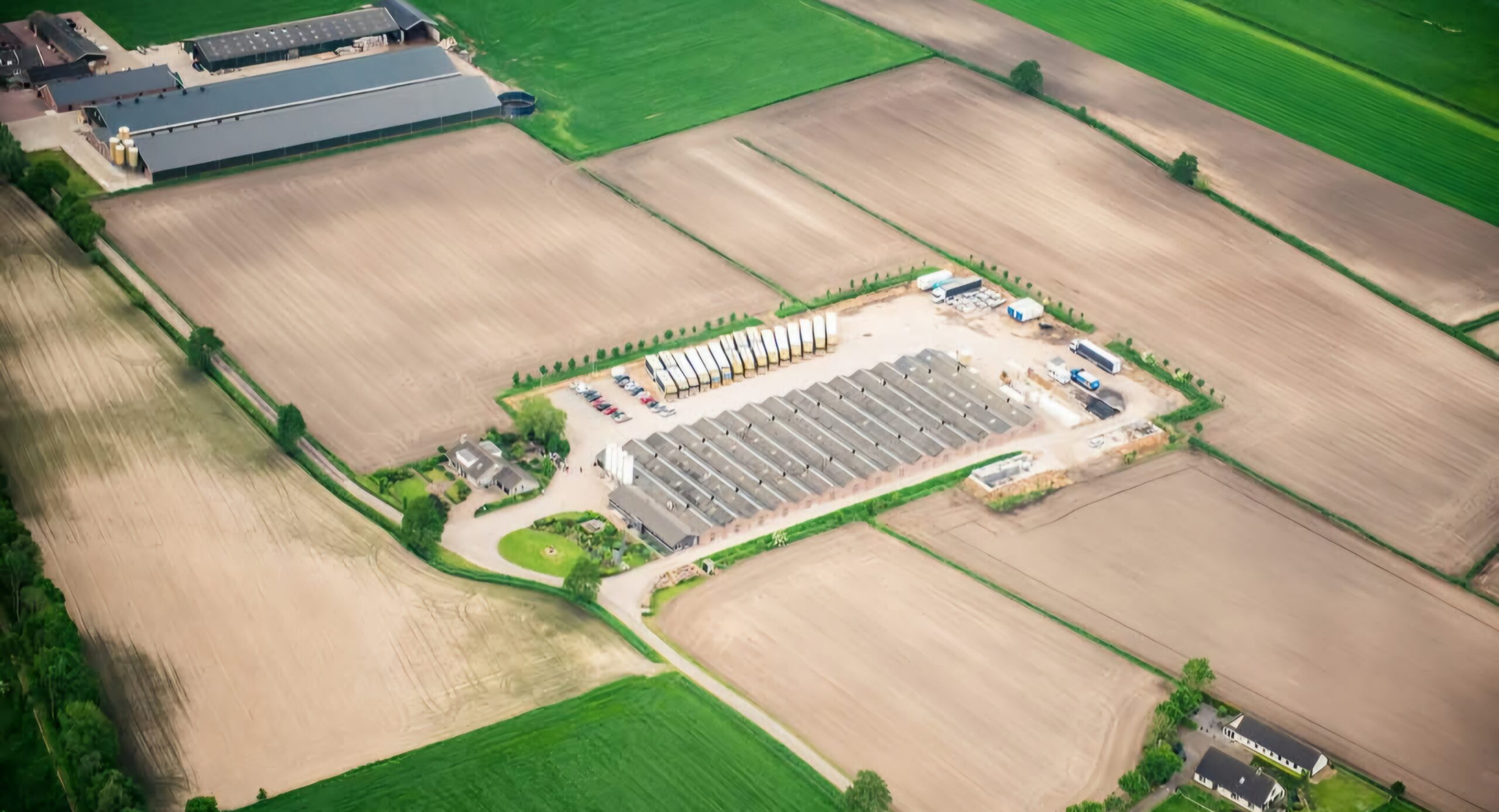
In Renswoude, surrounded by greenery, stands the place where the Mandersloot family has had farming in their veins for over a century. Frank Mandersloot, together with his three brothers, owns Mandersloot Calf Farm and is at the helm of this family business, which has grown into a versatile enterprise. In addition to the calf farm, the family also runs transport companies: Mantrans BV, specialized in animal transport, and PJ Hoogendoorn Transport BV, which transports heavy construction materials. But after more than 60 years in the calf sector, the family has made a drastic decision: the calf farm is closing.
A family business with a rich history
The Mandersloot family’s roots run deep. “Our family has been farming on our farm for over 100 years,” says Frank. “It started small, with a few cows, pigs, and chickens. In the 1960s, when calf farming emerged in the Netherlands, my grandfather took the first steps in this sector. Since then, we have specialized in white veal calves. We work with an all-in/all-out system and keep 1,680 calves in our barn, which we feed with milk and a muesli mix.” This careful approach results in tender meat, for which the family is well known.
For Frank, the work was instilled from an early age. “I was born on the calf farm. While my parents fed the calves, we as children sat in the stroller. Farming life is in our DNA.”
The decision to stop
The first cracks in the continuity of the family business appeared in 2019, when the Council of State invalidated the Nitrogen Approach Program (PAS). “Our barn from 1973 was designated as a peak emitter in 2023,” Frank explains. “We faced a difficult choice: either invest in a completely new building with high costs and an uncertain permit process, or stop and make use of the closure scheme.”
Entrepreneurship is often about making choices, and this decision was not taken lightly. “With our hearts, we wanted to continue. We see opportunities in the Dutch market, but the uncertainty around regulations and the high investment costs made it unfeasible.”
A new focus
However, the choice to stop also brought opportunities. “Our calf farm and the transport company Mantrans BV are on the same site,” Frank says. “For years, we have wanted to build a hall to hygienically clean our fleet. By participating in the closure scheme, we create space to make this happen. The transport company will now become our main focus.”
A future without calves
Although farming life is coming to a halt for now, the roots remain deep. “Over the past 100 years, our business has adapted many times. Now we are focusing on transport, but who knows what the future will bring. If a great opportunity arises to start a farm elsewhere, we won’t rule it out. After all, we remain farmers at heart.”
With a healthy dose of ambition, Frank looks ahead. “It’s a new phase, but also a chance to make our family business future-proof. We’re happy to add another 100 years.”
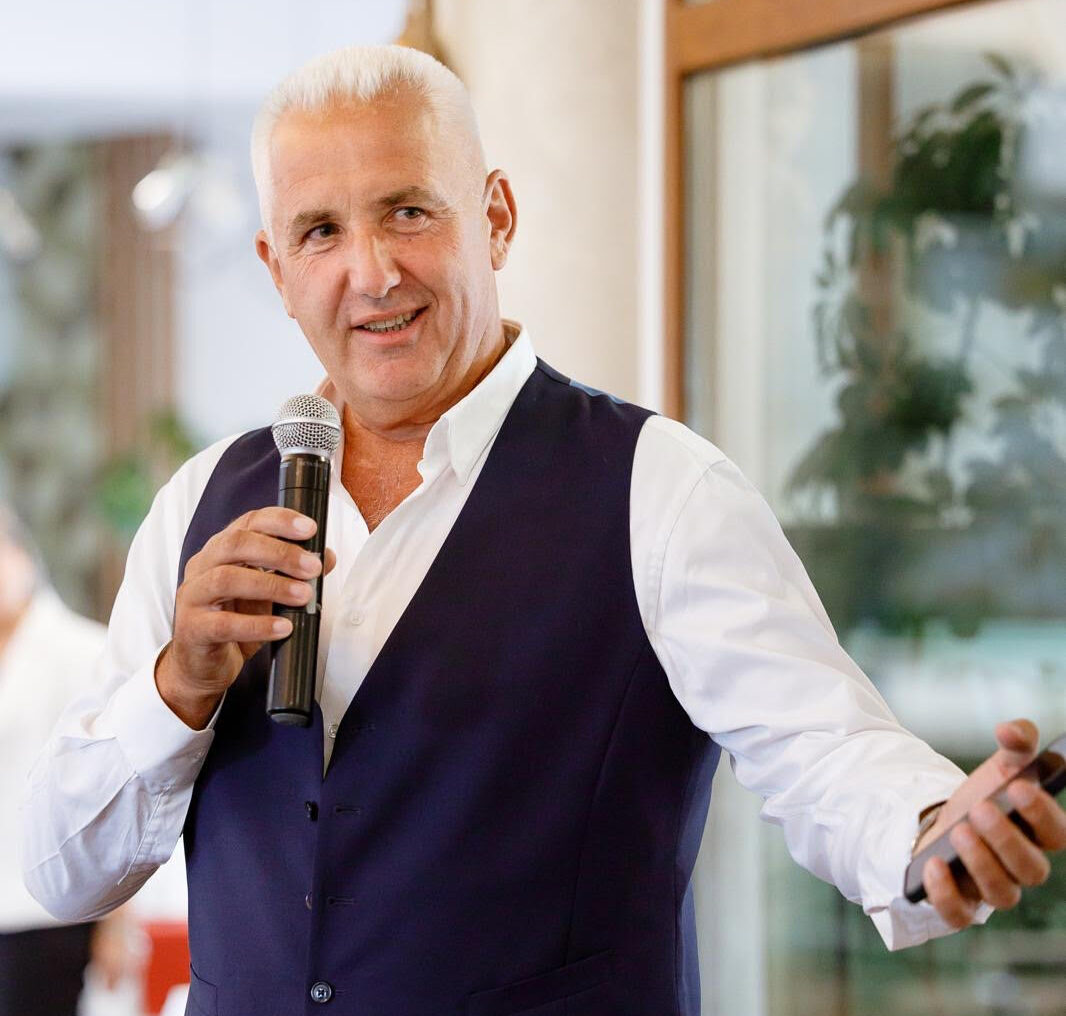
Building the future of sustainable pig farming in Romania
Doripesco, a well-established name in Romanian aquaculture, has taken ambitious steps in recent years to expand its pig farming activities. CEO Dorin Crizbasan combines passion with innovation to achieve a future-proof and sustainable approach. Why does this entrepreneur choose to expand in Romania?
From fish to meat
Since its founding in 1995, Doripesco has been a key player in fish farming and processing, based at Lake Dumbrăvița, a protected natural area. Although aquaculture has always remained a priority, in 2019 the company decided to broaden its horizons by starting pig and cattle farms. “Our motivation was simple,” Crizbasan explains. “We wanted to produce high-quality raw materials for our restaurants while also responding to the growing demand for locally and sustainably produced meat.”
Expansion plans in pig farming
Doripesco’s most recent investment is the construction of two state-of-the-art pig farms. The facilities accommodate 7,450 pigs per cycle, spread across multiple barns with advanced technologies such as ventilation systems, automated feeding installations, and monitoring tools. With a capacity of 3.2 production cycles per year, the company is responding to the increasing demand for locally produced pork in a market that is heavily dependent on imports. “Romania currently imports 60% of the pork it consumes. This poses a risk to food security,” says Crizbasan. “With our new facilities, we aim to contribute to a more stable domestic production.”
Supported by the government
Sustainability is a common thread in all Doripesco’s activities. The new pig farms employ biosecurity measures to prevent animal diseases. This has been made possible in part by a subsidy program aimed at modernizing agricultural businesses. “We don’t see sustainability as an option, but as an obligation,” Crizbasan emphasizes.
Additionally, the company reuses residual streams and launches initiatives to further reduce its ecological footprint. These efforts align seamlessly with government objectives to make agriculture more sustainable and future-proof.
Challenges and opportunities
Expanding in Romania is not without its challenges. The market is volatile, production costs are rising, and stricter regulations require constant investment in technology and training. The company also faced a devastating fire in 2023 that destroyed parts of the fish processing facility. Nevertheless, Crizbasan sees these obstacles as opportunities to come back stronger.
“Challenges force us to remain innovative,” he says. “By investing in modern facilities while staying true to our core values, we are building a resilient company that is ready for the future.”
Looking to the future with confidence
Doripesco’s vision for the future is clear: further growth in pig farming, promoting sustainable production, and making a positive impact on the Romanian food market. With investments in technology, logistics, and product diversification, the company is setting a new standard in the sector. “Our mission is not only to deliver high-quality products, but also to be an example of how tradition and modernity can go hand in hand,” Crizbasan concludes.

Magazine
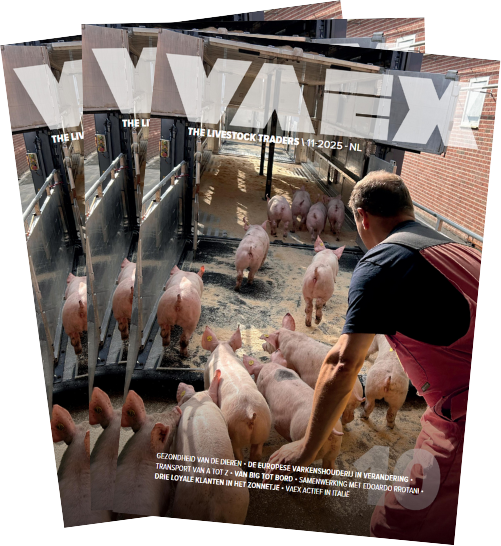
Our magazine offers you a glimpse into the world of international pig and livestock trade. With up-to-date market information, inspiring stories, and practical insights. For everyone who wants to stay informed and discover new opportunities.