

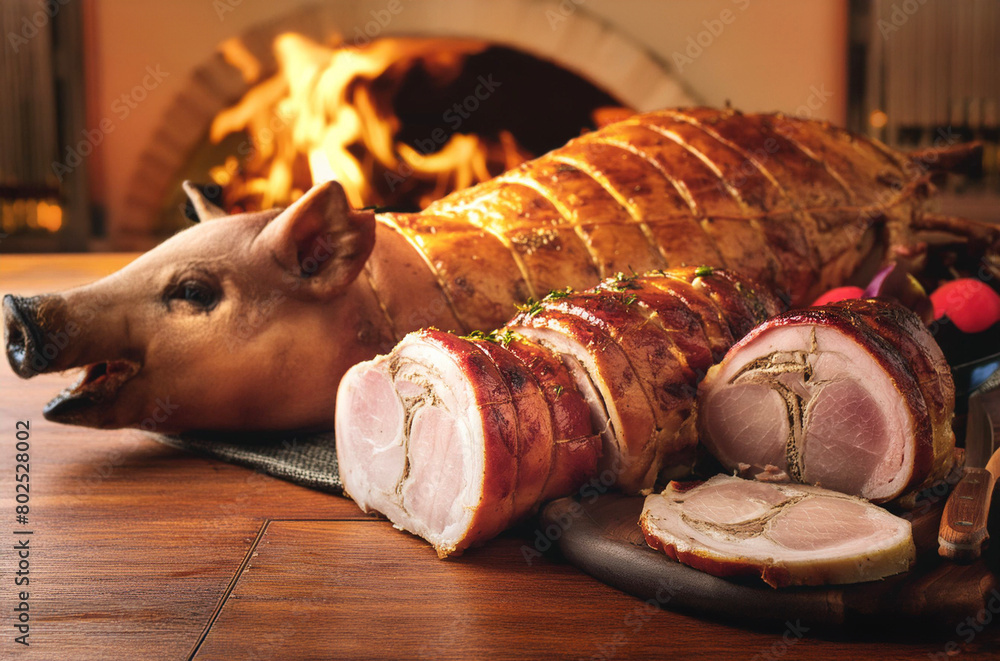
The versatility of the weaning piglet
From Spain to the Balkans: everywhere, weaning piglets are prepared in unique and traditional ways. Discover how this culinary symbol of hospitality and abundance remains a beloved dish that transcends borders.
The weaning piglet – in many countries a culinary symbol of tradition, abundance, and hospitality. Although this young pig is less commonly served in the Netherlands and Belgium, it is considered an absolute delicacy in other European countries. From the rolling hills of Spain to the Balkan region, you’ll find unique preparations and centuries-old traditions centered around the weaning piglet. Think of the crispy Cochinillo Asado from Spain or the slow-roasted Odojak na Ražnju from Croatia. Each dish tells a story, not just about flavor, but also about culture, family, and celebrating special moments. Join us on a culinary journey through Europe as we explore the different ways weaning piglets are prepared and served.
From wood-fired ovens and rotisseries to subtle spices and simple preparations: the weaning piglet remains a beloved dish that transcends borders.
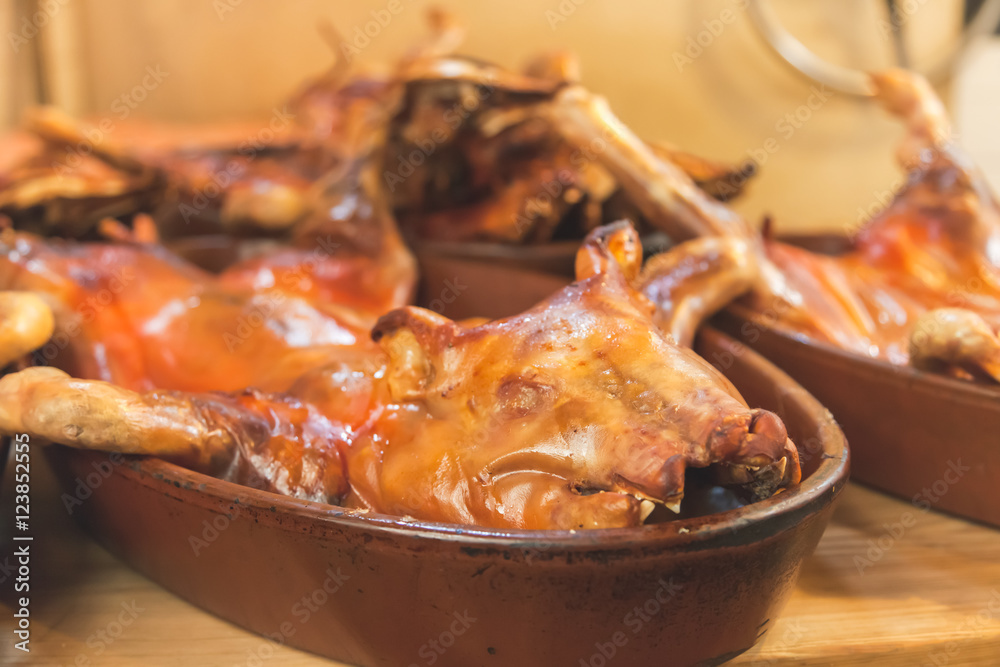
Spain: Cochinillo Asado
In Spain, especially in the regions of Castile and León, Cochinillo Asado is a highly cherished dish. It is often prepared for special occasions, such as Christmas or family celebrations. The weaning piglet is slow-roasted in a wood-fired oven, usually with just salt and olive oil, which keeps the meat juicy and the skin crispy. Traditionally, it is served in the famous town of Segovia, and according to tradition, the piglet should be so tender that it can be cut with the edge of a plate.
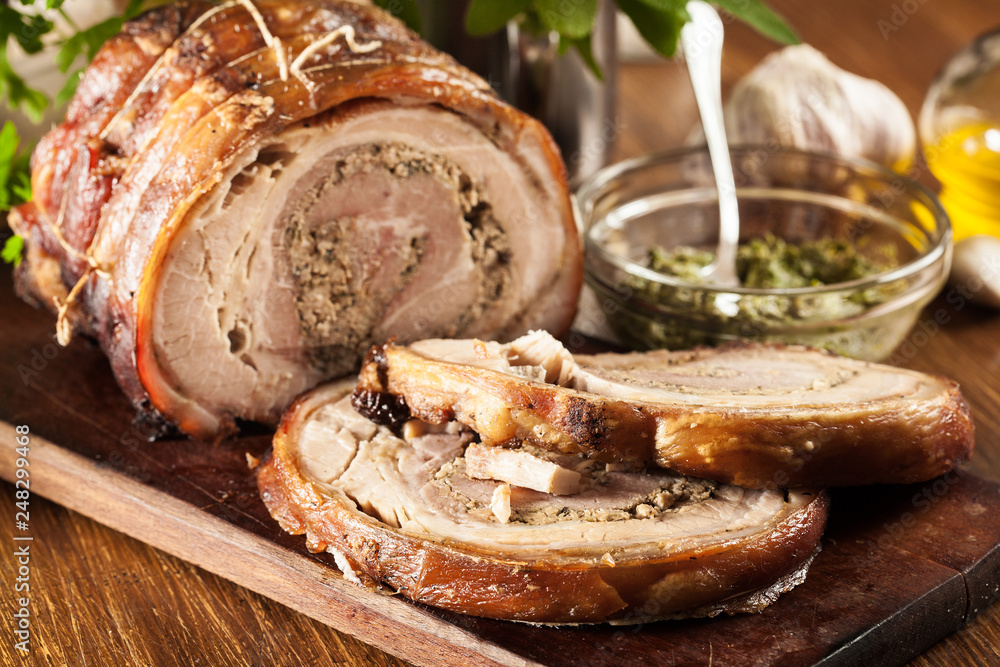
Italy: Porchetta di Maialino
In Italy, especially in the regions of Lazio and Umbria, Porchetta is a famous dish often made from young pork, including weaning piglets. The piglet is deboned and stuffed with herbs such as fennel, garlic, rosemary, and pepper, then slowly roasted. The result is a crispy exterior with deliciously seasoned, juicy meat inside. This dish is often served as street food or at markets in sandwiches.
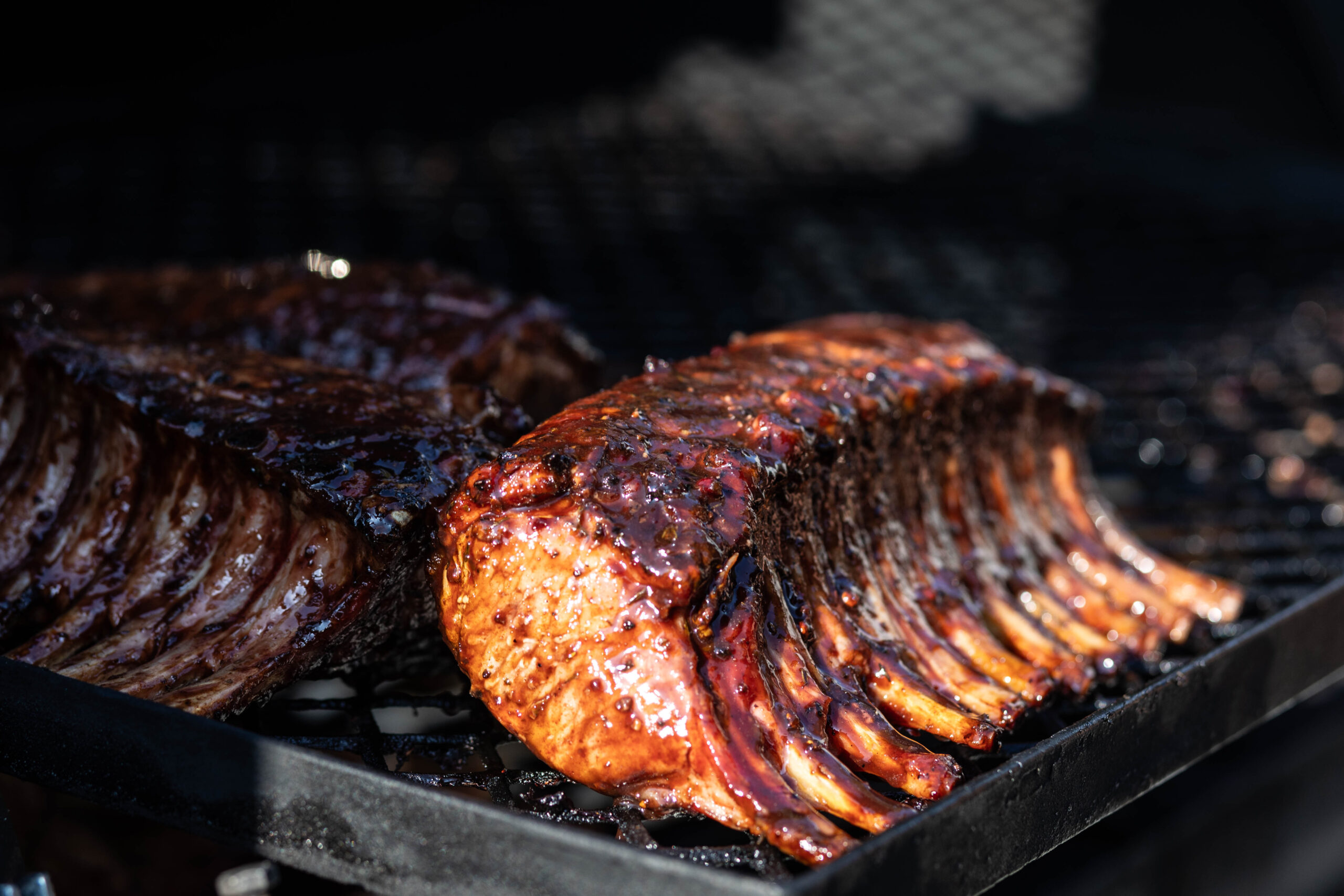
Germany: Spanferkel
In Germany, Spanferkel is often served at large events and beer festivals, such as the famous Oktoberfest. The weaning piglet is stuffed with garlic, herbs, and sometimes beer, then roasted on a spit. This method creates a crispy exterior and wonderfully tender meat. It is often served with sauerkraut and potato dumplings, making it a true festive meal.
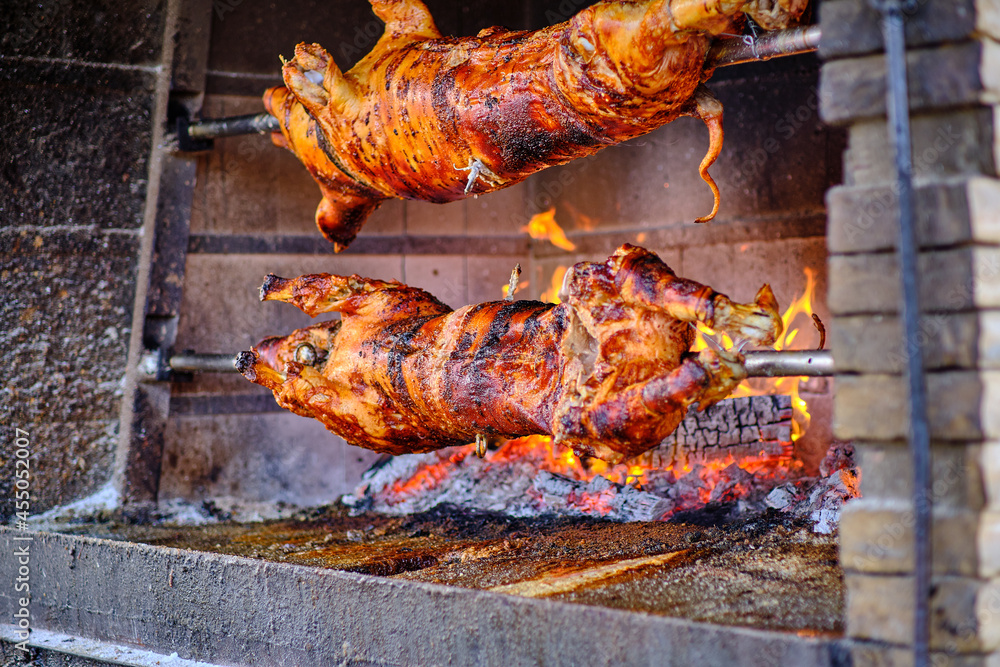
Croatia: Odojak na Ražnju
In Croatia, Odojak na Ražnju (spit-roasted weaning piglet) is a popular dish, especially during holidays and weddings. The weaning piglet is seasoned with garlic, pepper, and salt, and slowly roasted on a spit over a charcoal fire. This gives the meat a delicate smoky flavor and a crispy crust. In some regions, the piglet is also brushed with pork fat during roasting to make it extra juicy. The dish is often served with bread, potato salad, or šopska salata (a salad of tomatoes, cucumbers, onions, and feta).
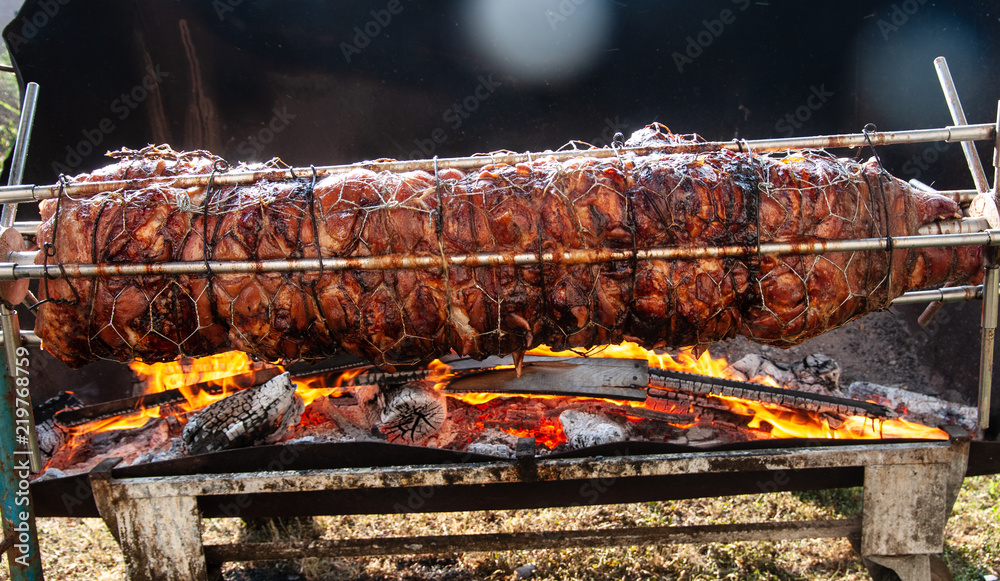
Serbia: Pečenje na Ražnju
In Serbia, Pečenje na Ražnju is a traditional dish, often served during large celebrations such as weddings and Orthodox holidays. The weaning piglet is roasted on a spit over an open fire and simply seasoned with salt and sometimes garlic. The long, slow roasting results in very tender meat and a crispy skin. It is often eaten with side dishes such as ajvar (a spicy pepper and eggplant paste), bread, and boiled potatoes.

Magazine
Our magazine offers you a glimpse into the world of international pig and livestock trade. With up-to-date market information, inspiring stories, and practical insights. For everyone who wants to stay informed and discover new opportunities.