
Developments in Animal Transport and Regulations
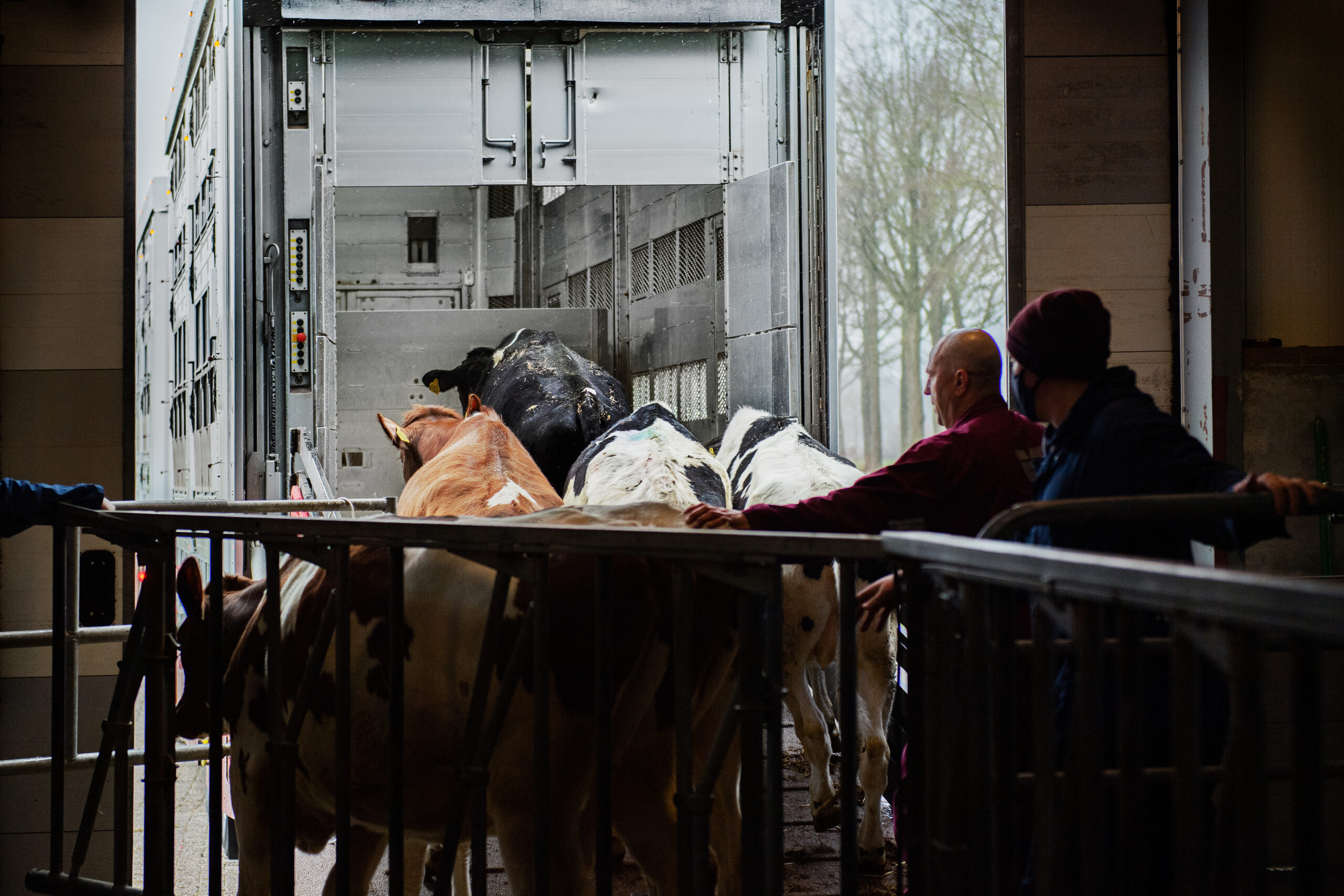
There are many ongoing developments in the field of animal transport and regulations, all with the overarching goal of improving animal welfare during transport. Together with Lianne van Dongen from the industry organization Vee&Logistiek Nederland, we take a closer look at the latest trends in animal transport and regulations. Lianne is the veterinary director at Vee&Logistiek Nederland and mainly focuses on the export of breeding cattle within and outside the European Union. This includes establishing new binding export certifications or adjusting existing ones. Additionally, she focuses on positively influencing the climate impact of entrepreneurs within the sector. She also informs politicians, government, and society about the purpose of exporting live cattle to third countries.
European Rules Laid Down in Animal Health and Transport Regulations
Since April 21, 2021, the European Animal Health Regulation (AHR) has been in effect. The rules in this regulation are intended to prevent outbreaks of animal diseases within the European Union and to counteract the spread of animal diseases. In addition, the welfare rules for the transport of live animals must be observed. These are established across Europe in the Transport Regulation (Regulation (EC) No. 1/2005). The rules vary for different animal species and for different travel distances. Most of the rules apply to cattle, sheep, goats, pigs, and (unregistered) horses.
The regulation describes, among other things: how the animals should be treated, when animals are not fit for transport, how transport vehicles should be equipped, and which travel schedules should be followed.
Amendment of European Animal Welfare Legislation in 2023
“The European Commission is currently working on an amendment to the European animal welfare legislation, including the transport regulation,” says veterinary director Van Dongen. “It is expected that the European Commission will present a proposal to amend the transport regulation by the end of 2023. After that, agreement must be reached on the proposal with the European Council – where the member states are represented – and the European Parliament. The recommendations now adopted by the European Parliament will be the Parliament’s position during negotiations on the Commission’s proposal.”
Report with Recommendations Raises Concerns and Discussion
An advisory group of the European Parliament, consisting of animal welfare parties (EFSA), has written a report with recommendations for the future regarding standing heights, loading densities, and temperature limits that are much stricter than the current standards. “In the run-up to a new transport regulation, this is causing a lot of concern and debate,” says Van Dongen. “These developments could have major consequences for the sector.”
Limiting transport times, a ban on exports to third countries, cameras to monitor the loading and unloading process, transport of semen or embryos instead of breeding animals, and transport of carcasses and meat instead of slaughter animals. These are some examples of recommendations described in the report. It is also stated that national authorities should only allow transports when the weather forecast is between 5°C and 30°C. In addition to temperature, humidity and ammonia should also be measured in the vehicles. Some of these proposals have not been adopted, while others are still under discussion.
Regarding the transport of semen or embryos instead of breeding animals, and meat instead of slaughter animals, members of the European Parliament are calling on the European Commission to come up with an action plan to support this transition no later than 2023. Vee&Logistiek Nederland does not support this transition and, together with other member states, is providing counterarguments to the European Commission.
Change in Export Certificate Regulations to Countries Outside the European Union.
Major changes are coming in the area of exports to non-EU countries for live animals. As of January 1, no binding bilateral export certificates will be issued anymore due to tightened regulations. Exporters of live cattle in the animal categories pigs, cattle, and small ruminants will, as of January 1, 2024, revert to the harmonized European agreements of the European Commission. These agreements apply to the countries of Moldova, Armenia, Russia, Belarus, Kazakhstan, and the United Kingdom. For all other countries, such as Albania and Serbia, exports will be possible on request certificates after January 1, with a transition period of several weeks. How working with request certification will look for the sector will become clear in the coming months in consultation with the government.
Industry Organization and Chain Partners Put Their Heads Together
Vee&Logistiek Nederland has worked together with UECBV (The European Livestock and Meat Trades Union) and Dutch chain partners to influence the European Parliament. Key issues were the age of unweaned animals, exports to third countries, and transport duration. In addition, there was a plea for a scientific basis for determining new standards. “This remains our focus towards the European Commission to influence the proposals,” says Van Dongen. “Influencing takes place through letters from UECBV to the European Commission, but also by responding to questionnaires from the European Commission and the Food Safety Authority (EFSA), citing studies that support our positions, and by providing practical input in working groups of the European Commission.”

Lianne van Dongen
veterinary director Vee&Logistiek Nederland
The Importance of Long-Distance Animal Transport in Four Key Points
Long-distance animal transports are under fire for various reasons, including ethical, animal welfare, and environmental concerns. However, there is a case to be made for the importance of long-distance animal transport. Veterinary director Van Dongen highlights the importance of long-distance transports in four key points.
- To ensure that countries can eventually provide for their own dairy and meat production, it is necessary to export animals to those countries. It takes several years to establish the foundation of a business, and sometimes expansion is needed.
- Dutch dairy cows are renowned worldwide for their high quality. They convert relatively little feed into good milk and therefore have a relatively low footprint. Along with these cows, a wealth of other knowledge and products is also transferred. Think of barn construction, expertise in animal husbandry, as well as semen and embryos.
- Both directly and indirectly, the livelihoods of farmers in these countries are supported. The associated dairy and meat sector creates employment. By raising local production to a higher level, a contribution is also made to reducing inequality between countries, regions, and genders.
And finally, by stimulating local production, this ultimately results in a shorter supply chain, which in turn contributes to climate goals.

Magazine
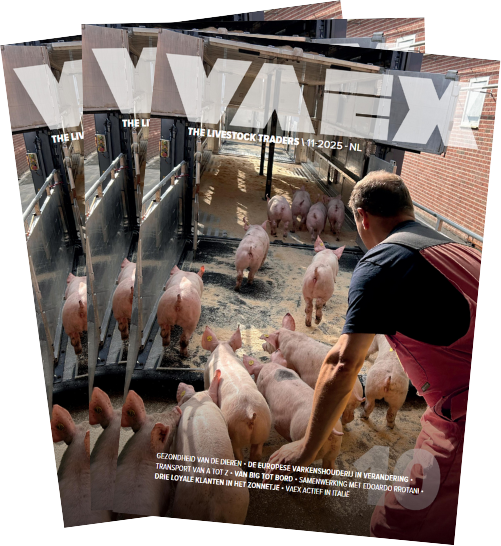
Our magazine offers you a glimpse into the world of international pig and livestock trade. With up-to-date market information, inspiring stories, and practical insights. For everyone who wants to stay informed and discover new opportunities.