‘Domestic processing of surplus pigs boosts sector image’
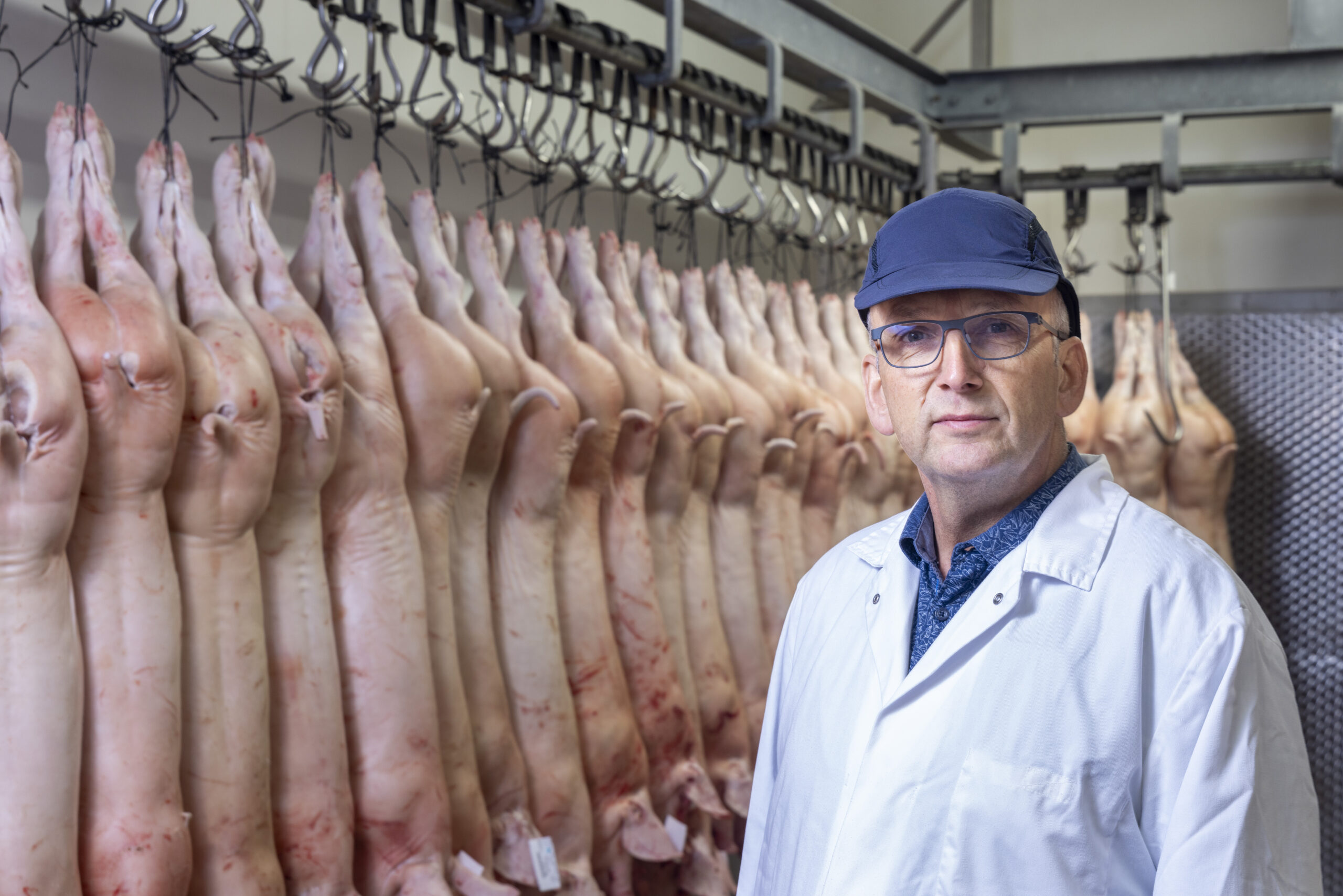
Pigarné in Lichtenvoorde, Gelderland, can truly be called a unique meat processor. ‘Surplus piglets and pigs with genetic defects yield good and safe meat products,’ says director Frank Campmans. ‘As a meat man, I have a strong aversion to wasting animal proteins. We add value and improve the image of the Netherlands as a pig-producing country.’
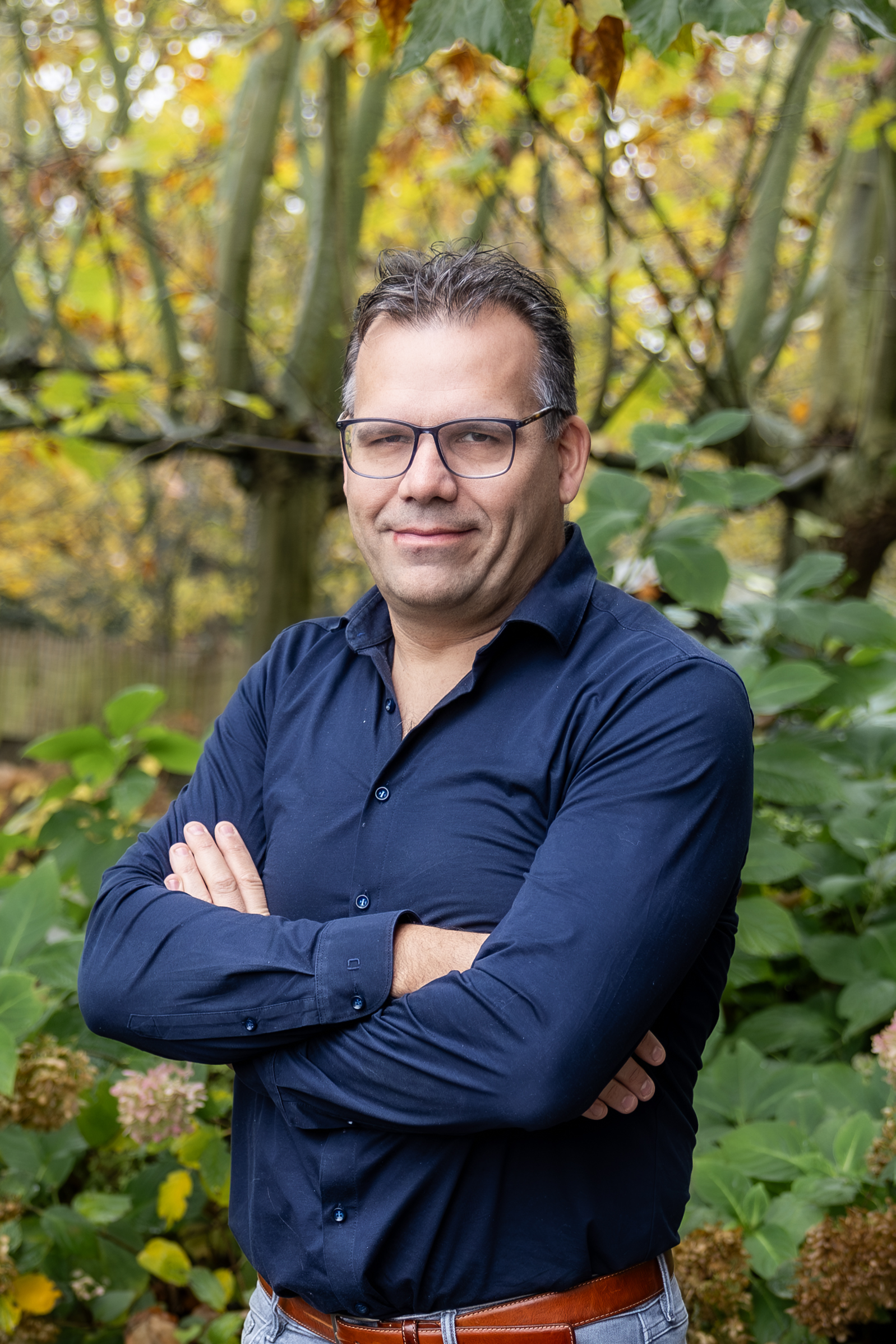
Frank Campmans is a true meat expert at heart and has a unique perspective on the slaughtering of production animals. ‘No matter how unusual a production animal may look, it can still provide safe food. My rule of thumb is that if a pig farmer wouldn’t want a pig on his own plate, he shouldn’t offer it for slaughter either.’
According to Campmans, the slaughter of such a special animal flow must be done correctly and as animal-friendly as possible, preferably in our own country. ‘Handling such a mixed group of slaughter animals properly, both on the way to and at the slaughterhouse, requires extra attention and expertise from all sides.’
How can you translate that vision to pig farming?
‘On pig farms, the focus is on delivering groups of piglets or slaughter pigs that are as uniform as possible. There are always some animals with a handicap or pigs that can’t keep up with the group. Usually, such ‘end-of-career animals’ are exported via a trader. Pig farmers should be more conscious about responsibly marketing this special animal flow, because it can easily be done domestically as well.’
Is this preaching to the choir?
‘That’s absolutely not how I want it to come across. If Dutch surplus pigs are transported to countries with a specific market for that animal category, a lot of miles are covered with a group of animals that aren’t exactly prizewinners. If something goes wrong with such animal transport, images quickly spread across the web. That kind of thing further damages the image of Dutch pig farming.
‘I believe we should minimize such animal transports and only send quality groups of piglets onto the international highways.’
Frank Campmans
Frank Campmans (55) has been director of Pigarné | Young Pork Meat (formerly AGRI4+ Meat Production) since 2020. Before that, he was a livestock and meat trader. For fifteen years, he has slaughtered, among other things, piglets at the Gelderland-based company in Lichtenvoorde. Pigarné also receives cattle for emergency slaughter. There is a mobile killing unit (MDU) ready, which is expected to become operational in 2024. The MDU is an animal-friendly solution for slaughter-worthy animals that are not fit for transport. This way, valuable animal proteins can be properly utilized for human consumption. Campmans was trained at the MAS.
Do pig farmers know that surplus pigs are slaughtered in the Netherlands?
‘More and more pig traders are finding their way to us, but pig farmers usually don’t focus on this. It’s a side issue, and for traders, it’s an extra service for their clients.
‘That’s why we try to make pig farmers aware that things can be done differently and better. That they can arrange with their trader to have their surplus piglets properly processed into food domestically, which also reduces their CO2 footprint. That’s an easy story to explain; more sustainable, more animal-friendly, and more responsible.’
Do slaughtered piglets and surplus pigs generate income?
‘We use a price per kilo that depends on slaughter weight, quality, and group size. Moreover, pigs for slaughter can weigh between 6 and 125 kilos live weight with us. This is a big advantage compared to what’s possible when exporting groups of slaughtered piglets, which may weigh up to 35 kilos per animal. Our meat pricing has its own dynamics, but it can still provide the pig farmer with a nice extra income, as well as a good feeling.’
How many pigs does Pigarné process?
‘In five working days, we slaughter about 3,500 pigs. The weekly supply of slaughtered piglets and pigs with a defect or issue is between eight and nine thousand animals. So, more than half of the surplus pigs in the Netherlands currently end up in Lichtenvoorde.
‘That market share will grow, because we have room to increase capacity to seven thousand pigs per week. In mid-October, we started using a second location, a kilometer away. We have separated processing and cutting from the slaughter process. That brings several advantages.’
Are there advantages to daily slaughter?
‘We have the space and the staff, and it provides regularity. Moreover, it’s beneficial for pig farmers and traders because they can come to Pigarné any working day. This makes it easy for them to empty departments and minimize the occupancy of surplus departments.
‘The all-in-all-out principle has health benefits, as it removes potential sources of infection from the farm. The flow of animal groups on a farm runs more smoothly. Performance improves, and pig farmers can work more tightly according to plan with more uniform groups.’
What makes your meat production company unique?
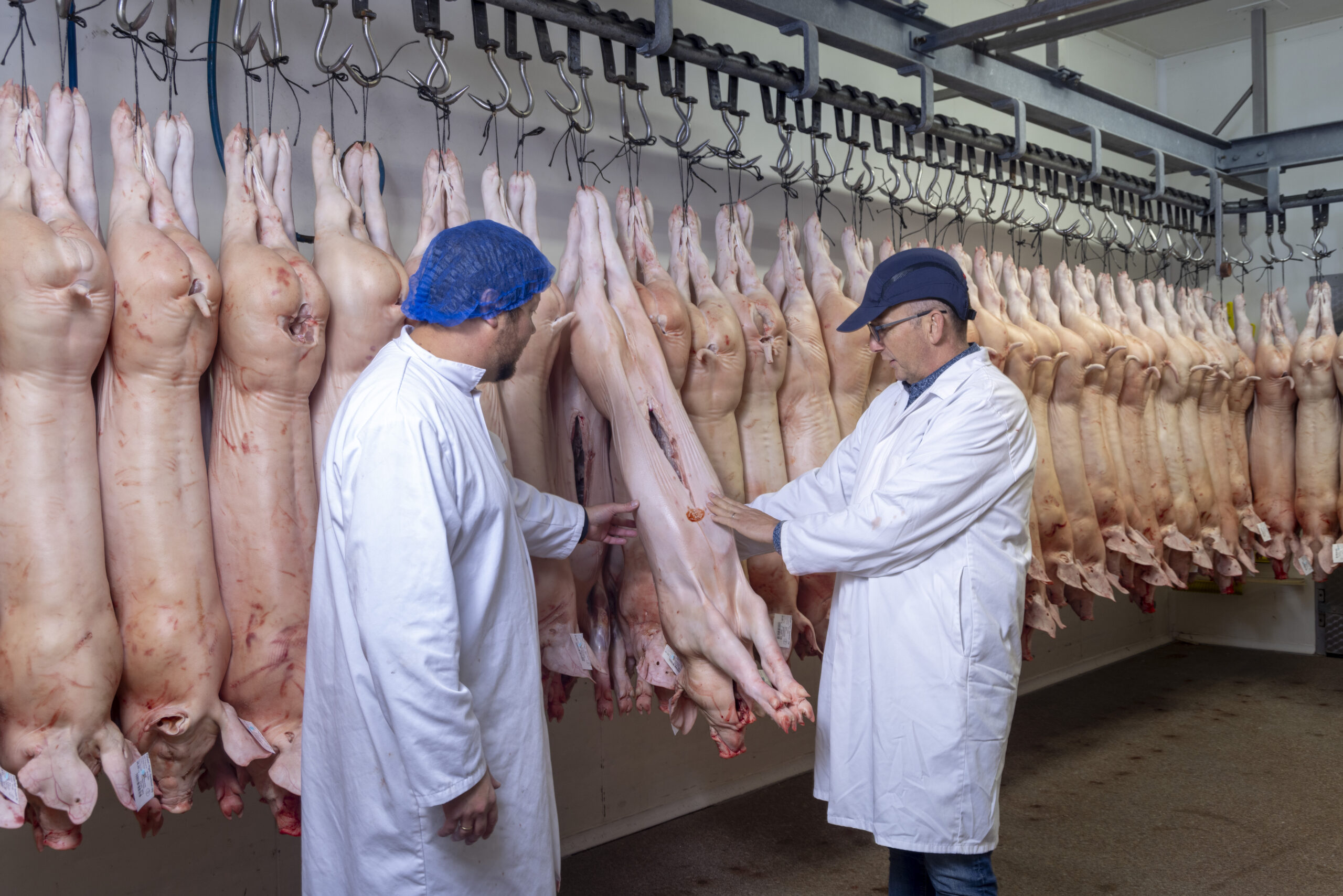
‘Because our animal flows are not uniform, we adjust the speed of the slaughter line. We also only work with true professionals who have the expertise to slaughter and process each animal correctly. Skilled butchers are crucial, for example, to prevent contamination of the slaughter line and to optimally refine the meat.’
You have a wide variety of end products.
‘That’s right, but selling carcasses and other pork products is no problem at all. Finding the sales markets that pay for certain qualities is our job. For example, we sell carcasses of slaughtered piglets within the EU to Portugal and the Balkan countries. But full freezer containers with slaughtered piglets also find their way to, for example, the Philippines and Singapore.’
Is processing such animal flows interesting?
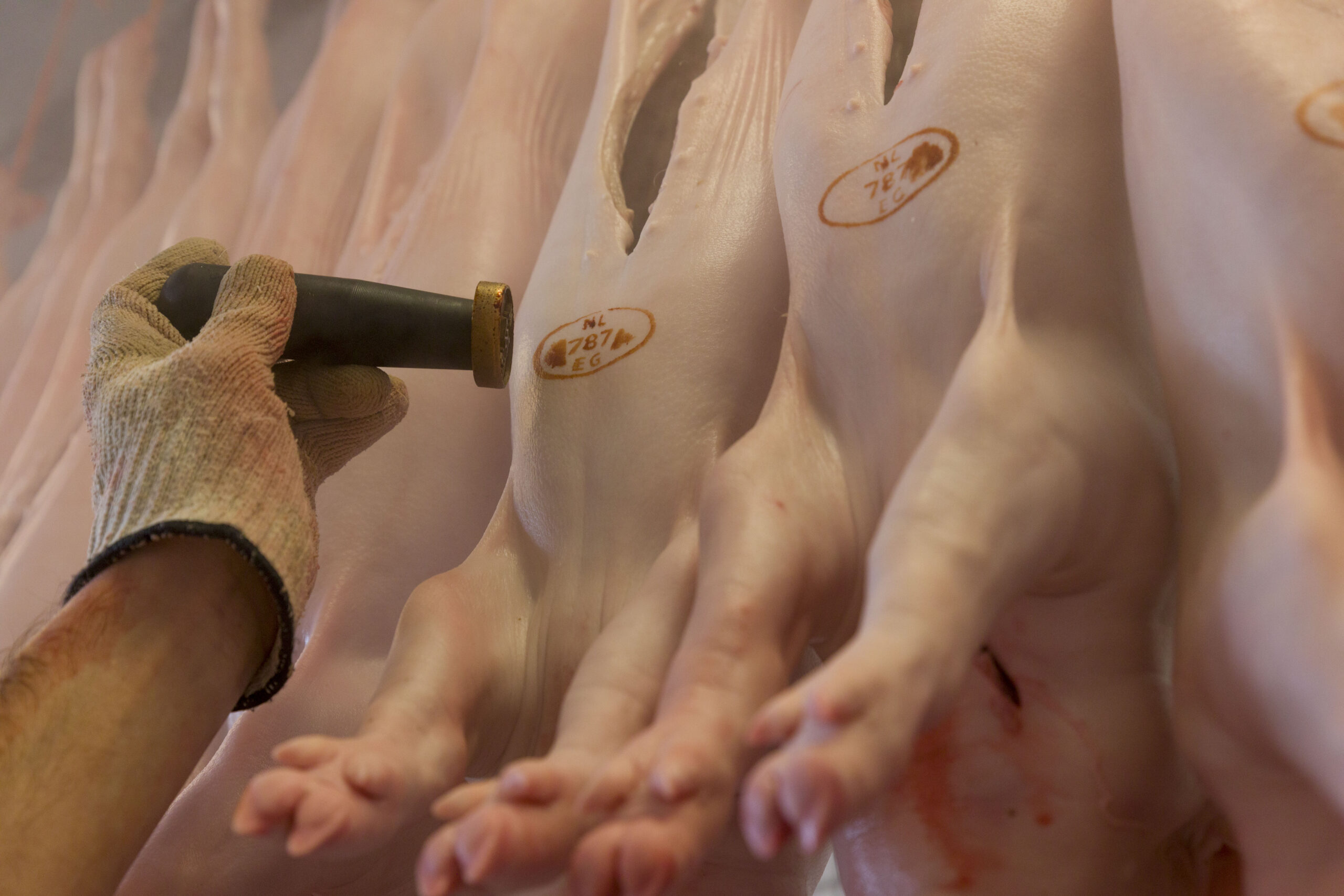
‘It’s a niche market. The slaughter costs per pig are higher than at regular slaughterhouses in the Netherlands and similar companies abroad. The live inspection and inspectors on the slaughter line alone cost 3 to 4 euros per slaughter animal. Because we work with higher-risk animal categories, the animals are also assessed more strictly. That’s fine, because the meat must be safe.
‘Ultimately, it’s all about maximizing the value of the carcasses and the meat. For that, we absolutely need foreign sales markets.’
What makes the market for slaughtered piglets so special?
‘It’s a specific market with customers willing to pay for quality. I know that, for example, in France and other countries, sow farmers produce slaughtered piglets to order for this niche market. It’s basically a market of supply and demand that works based on cost price and selling price.’
Does such niche production also offer prospects here?
‘If a customer comes to us with a specific request that is attractive for us and the supplier of a requested group of piglets, we will certainly do our best to make it happen. We are happy to use our network of livestock traders for that.’
Does having piglets processed by Pigarné offer more advantages for the farmer?
‘In my view, breeders should only deliver uniform groups of quality piglets. Avoid any discussion with slaughter pig farmers both domestically and abroad and select more strictly, so you can also ask more for your piglets.
‘Furthermore, at our facility, slaughter line research can be carried out on request. If there is an issue, representative piglets can be sent along with the second- and third-choice piglets. The pig farmer and his veterinarian can assess the organs of those animals at our slaughter line. That provides valuable insights that can give a targeted boost to animal health on a farm.’

Magazine
Our magazine offers you a glimpse into the world of international pig and livestock trade. With up-to-date market information, inspiring stories, and practical insights. For everyone who wants to stay informed and discover new opportunities.