
Economic Effects of Animal Diseases
Animal diseases not only have major consequences for the health and welfare of animals, but also place a heavy burden on livestock farming and international trade. Outbreaks such as bluetongue and African swine fever show how quickly a sector can be disrupted when export markets close, prices drop, and farmers lose their income. In this article, experts Lianne van Dongen and Stefano Merlini highlight the economic effects of these diseases and show what challenges and solutions lie ahead for the future.

Bluetongue Puts the Livestock Sector on Edge
Lianne van Dongen, Veterinary Director at Vee&Logistiek Nederland, represents the interests of livestock traders and transporters. With experience as a veterinarian in Norway, New Zealand, and the Netherlands, she has been committed for seven years to improving export opportunities for Dutch livestock. Her work covers regulations, animal health, and international cooperation. In particular, the outbreak of bluetongue has had a major impact on the sector.
Bluetongue: A Stealthy Threat
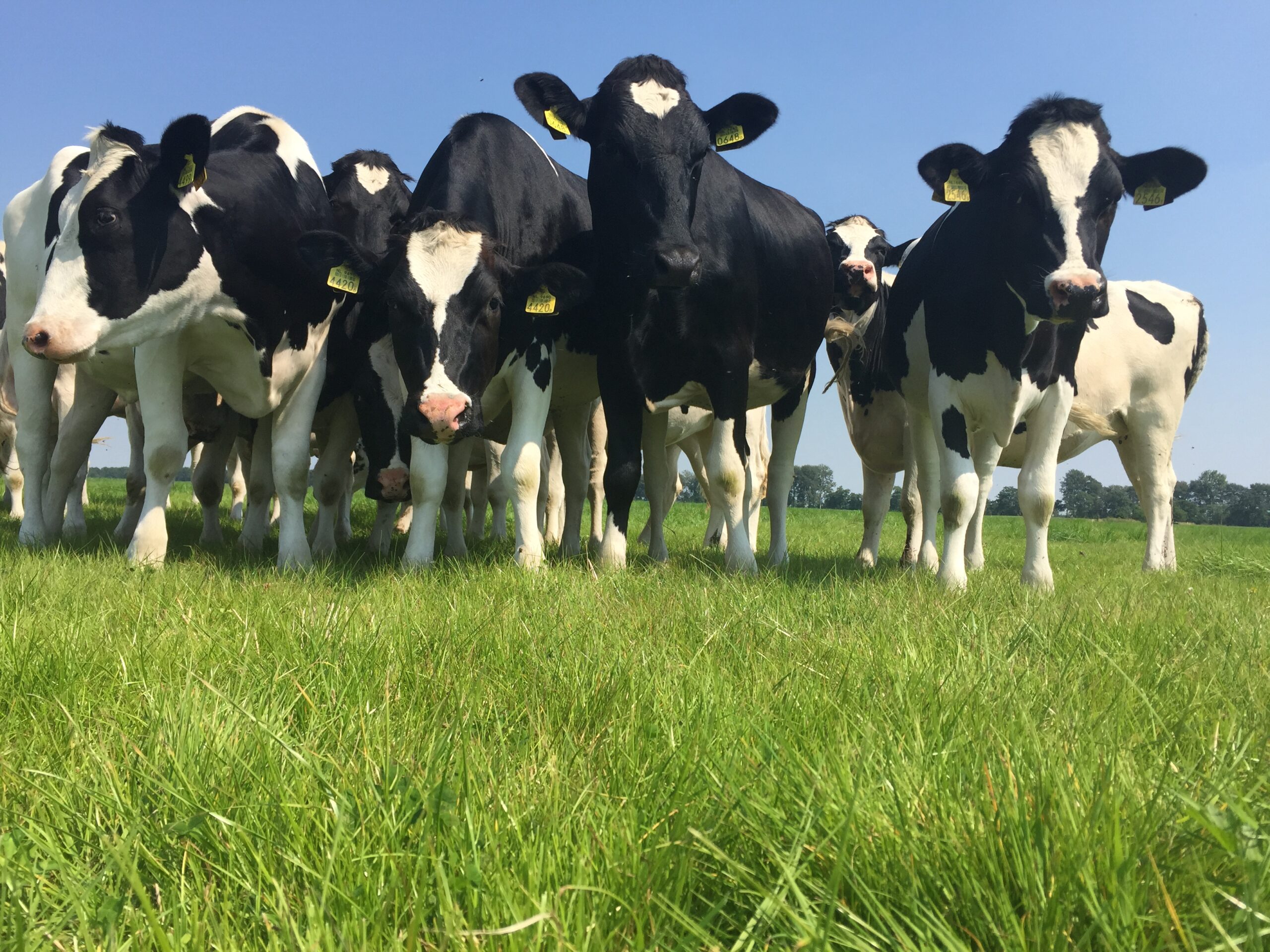
Bluetongue is a viral disease in ruminants such as cattle, sheep, and goats, transmitted by midges. Although not dangerous to humans, the disease causes serious economic damage. Symptoms such as fever, excessive salivation, and weight loss lead to drops in production. Since the Netherlands lost its bluetongue-free status in September 2023, exports have largely come to a halt. As a result, 57,200 fewer cattle were exported within the EU in 2023-2024. This surplus pushed down prices on the domestic market, with major consequences for farmers.
Prevention and Measures
Controlling bluetongue remains challenging. Nevertheless, farmers can take various measures:
- Insect control: Keeping animals indoors reduces contact with midges.
- Hygiene: Prevent standing water and clean barns regularly.
- Quarantine: Introduce new animals only after isolation.
- Vaccination: Vaccines against serotype 3 are available, but for serotype 12, first detected in the Netherlands in 2024, there is not yet a vaccine.
"We are working with the NVWA and ministries to limit the impact and enable safe export via TVBIs," says Lianne.
International Cooperation
Bluetongue crosses borders. Cooperation with European organizations such as UECBV is therefore essential. "Harmonizing regulations within the EU can prevent confusion in trade," Lianne emphasizes. Vee&Logistiek Nederland is also committed to the development and funding of new vaccines, which are crucial for controlling vector-borne diseases.
The Future
Bluetongue places a heavy economic burden on the sector, but Lianne sees resilience and innovation as the key to a strong future. "Climate change is causing more vector-borne diseases. With better international coordination and technologies, we can protect the sector against future risks."

The Economic Impact of African Swine Fever on the Pig Sector
Dr. Stefano Merlini, veterinarian and strategic leader in the agricultural sector, combines practical experience and knowledge to analyze challenges such as African swine fever (ASF). As CEO of a European feed company, he has a sharp eye for business development and strategies, and is regarded as an authoritative voice in discussions on animal diseases.
An Unprecedented Challenge for the Sector
African swine fever, a viral disease affecting pigs, has put the European pig sector under severe pressure. The virus spreads rapidly through infected animals, contaminated feed, and wild boar. Although ASF is not dangerous to humans, the economic consequences are significant. Export markets close their doors, and farmers are hit hard.
The Economic Impact on Farmers
In the event of an outbreak, culling all animals is mandatory, with disastrous consequences for income. At the same time, the costs of recovery and biosecurity continue to rise. "Many farmers see their life's work go up in smoke," says Merlini. Trade restrictions make the situation even more difficult, putting additional financial pressure on farmers.
Export and International Trade Under Pressure
The European pig sector relies heavily on international export. However, ASF outbreaks lead to strict trade restrictions, limiting access to global markets. Transport controls and quarantine requirements also make logistics more complex, negatively affecting producers' competitiveness.
Prevention and the Future of the Sector
According to Merlini, strict biosecurity is essential. "Limiting contact with wild boar and using virus-free feed are crucial," he states. Innovation, such as rapid diagnostics, is also needed. However, he warns that recurring outbreaks can reduce production capacity and affect consumer demand.
International Cooperation Is Crucial
ASF knows no borders, making cooperation between countries indispensable. Sharing knowledge, harmonizing trade rules, and monitoring wild boar are necessary steps according to Merlini. International coordination can also help accelerate vaccine development, a potential game changer in the fight against ASF.
With targeted investments and cooperation, the European pig sector can overcome this challenge, says Merlini.

Magazine
Our magazine offers you a glimpse into the world of international pig and livestock trade. With up-to-date market information, inspiring stories, and practical insights. For everyone who wants to stay informed and discover new opportunities.