THE ROLE OF THE TRADER
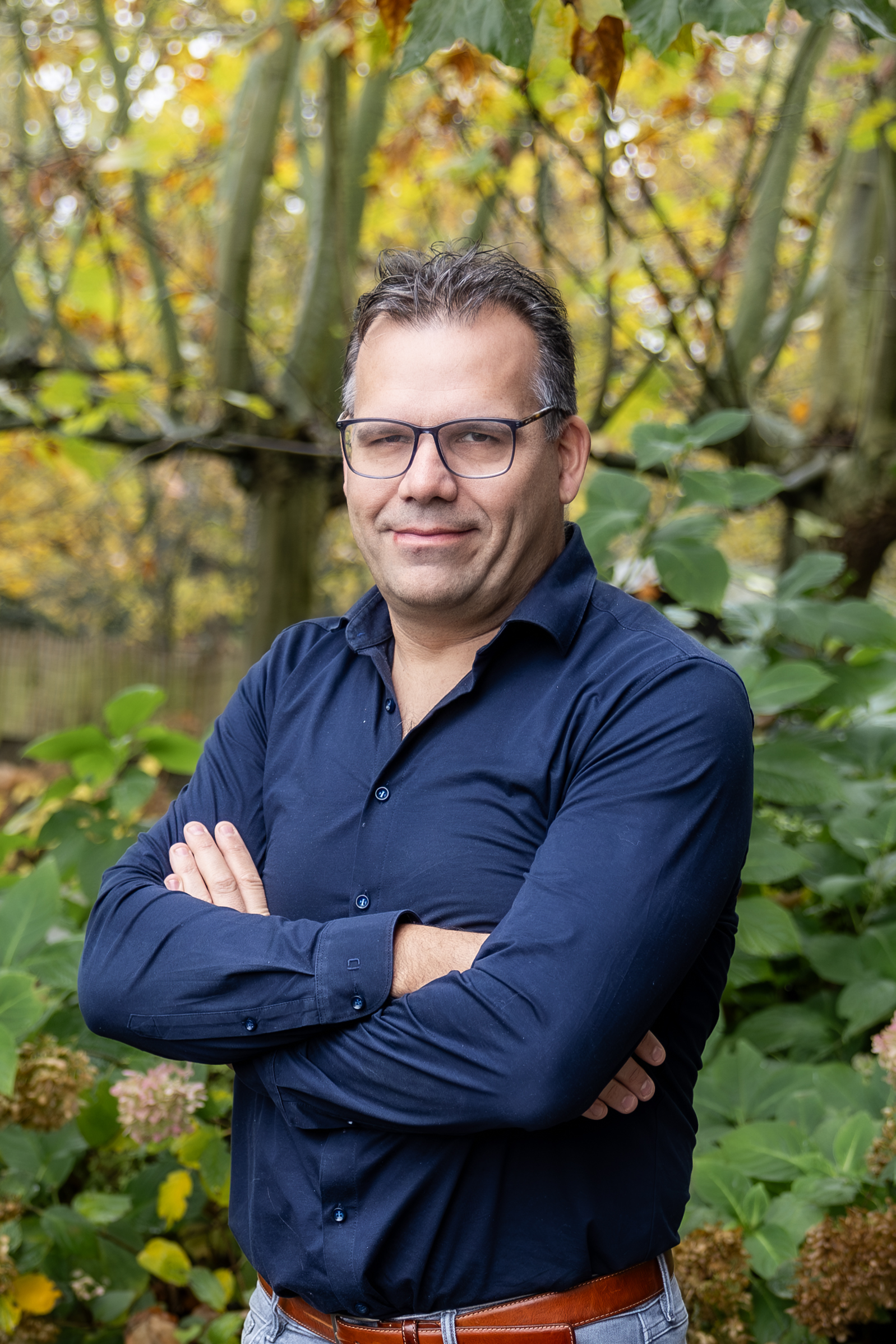
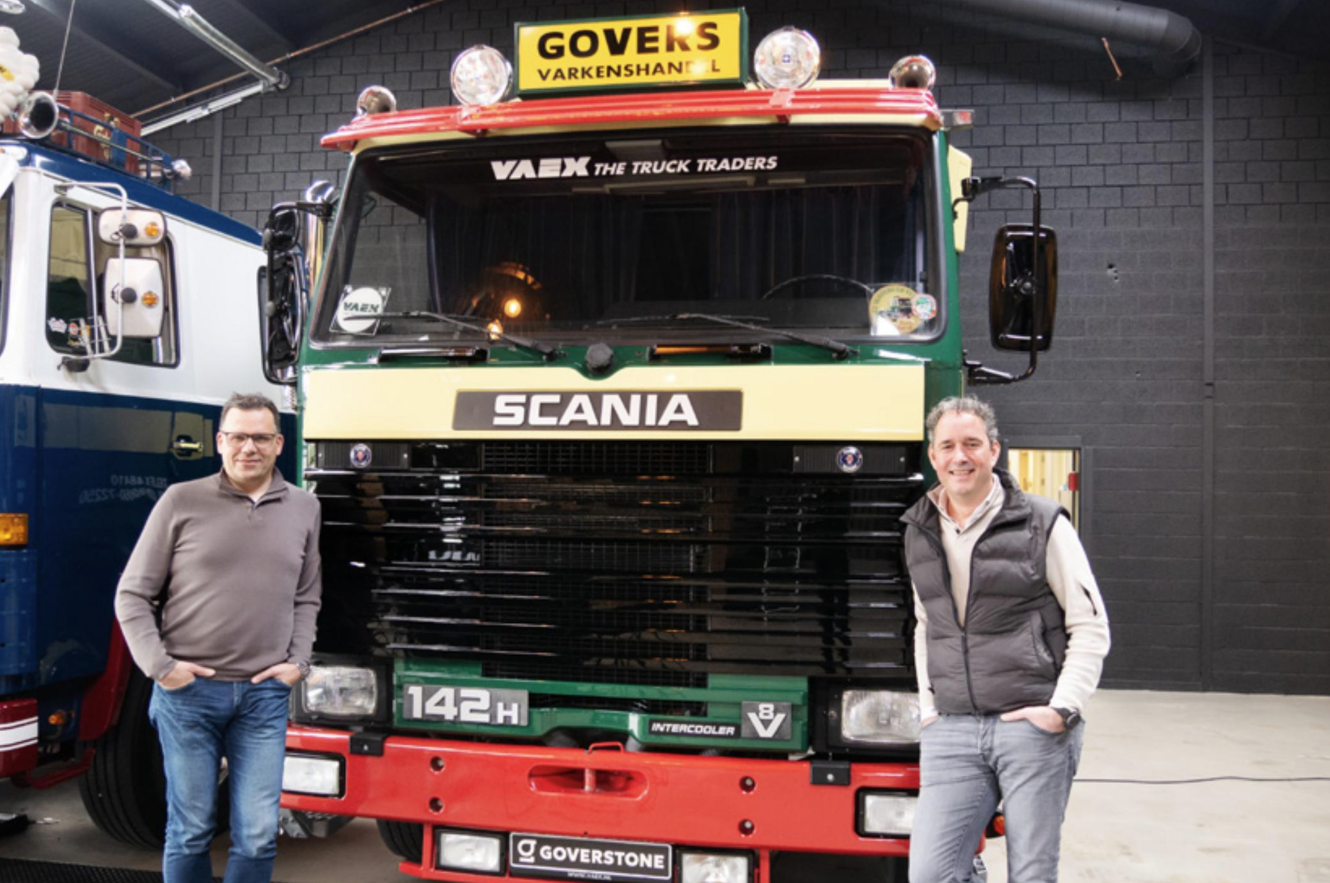
The pig trade has changed considerably over the past decades. Where quick decisions, negotiations, and direct trading were once the norm, the sector has now become more structured and transparent. To get a good picture of this transition, I spoke with Dirk and Pim Govers.
The charm of the past
They once jointly led VAEX The Livestock Traders, until Pim focused entirely on VAEX The Truck Traders. With their years of experience and family history in livestock trading, they paint a picture of how trading used to be, how it has developed, and what the future holds.
“There was something magical about trading in the old days,” Pim says. “It was day trading in its purest form. On Fridays and Saturdays, we bought thousands of piglets, often without a direct buyer. We’d sort that out later. It was a game of quick decisions, negotiation, and taking risks.” The traders were constantly on the road, visiting farmers and determining the quality and destination of the pigs on the spot. A large network and experience were essential.
Communication was completely different back then. Dirk and Pim grew up with stories about how their fathers did business. “The generation before us didn’t have mobile phones or emails,” Dirk explains. “They would sit by the landline on Saturday evenings to close deals, because that was when farmers could be reached.” By the time Dirk and Pim took the helm themselves, mobile phones were already commonplace and the trade slowly changed. Still, Saturday remained an important trading day, where speed and market insight were crucial.
Transparency and scaling up
Over the years, the market became increasingly transparent. Due to regulations and digitalization, the traditional Saturday evening trading disappeared, and fixed lines and contracts became the norm. “Where we used to have twenty farmers on one truck, now it’s just one or two,” Dirk explains. “Health risks and quality standards have become stricter, so mixed loads from different farms hardly ever happen anymore.”
The structure of pig farming has also changed. “In the past, almost every farmer had a small barn with pigs. Now, they are large, specialized businesses,” says Pim. This not only affects trading, but also the function of the trader. “The trader used to be the key link between farmer and buyer. Now, large companies try to trade directly, so our role is changing.”
According to Dirk and Pim, the word ‘trader’ increasingly carries a negative connotation. “People think of quick deals and middlemen taking money without adding value,” Dirk says. “But that’s no longer the case. Nowadays, you have to prove more than ever why you’re needed.”
According to them, that added value lies in knowledge, experience, and international connections. “When the market is tight, buyers can find their own suppliers,” Dirk explains. “But when trading is tough, that’s when a trader becomes indispensable. You need to have a network, be able to offer creative solutions, and know how to connect surpluses and shortages across Europe.”
“There was something magical about trading in the old days”
International shifts
In addition to transparency and regulations, international developments also play a major role. Shifts in supply and demand mean traders must remain flexible. “Where we used to drive truckloads of pigs to the south, we now work with long-term contracts and stable sales channels. The market has simply become less volatile.”
Still, there is room for entrepreneurship. “There will always be a need for mediation,” Dirk states. “Animal diseases, changing regulations, and fluctuating production levels mean there will always be countries with a surplus and others with a shortage.”
The future of pig trading
What does the future hold? Dirk sees trading becoming even more professional and integrated. “You see that successful pig traders today no longer just trade. They have their own slaughterhouses, feed companies, or even sow farms.” Scaling up and efficiency remain important themes. “If you want to survive as a pig trader, you have to look beyond just buying and selling animals.”
Pim adds: “The charm of the past is disappearing. But that’s not necessarily a bad thing. It’s now more transparent, better organized, and calmer than before. That’s a positive development for traders, farmers, and the animals.”
Despite the changes, one thing remains: the world of pig trading is still dynamic and challenging. And as long as pigs are being traded, experienced traders like Dirk will continue to play their part. “The world has become smaller,” he concludes. “But the need for expertise and reliability will always remain.”
“There will always be a need for expertise and reliability.”
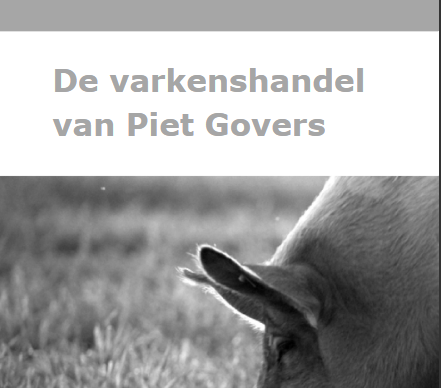
Curious about the story of the Govers family – Govers Pig Trading?
This story, written by my aunts Francine Govers and Annie Govers, gives a good picture of our origins and growth up to 1974. – Dirk Govers
Our company, which started as Govers Pig Trading, has a rich history of hard work, perseverance, and strong family ties.
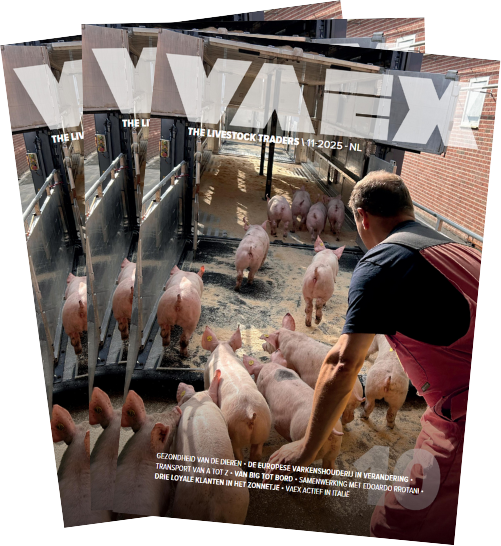
Receive the VAEX Magazine
Lorem Ipsum is simply dummy text of the printing and typesetting industry. Lorem Ipsum is simply dummy text of the printing and typesetting industry. Lorem Ipsum has been the industry’s standard dummy text.

Magazine
Our magazine offers you a glimpse into the world of international pig and livestock trade. With up-to-date market information, inspiring stories, and practical insights. For everyone who wants to stay informed and discover new opportunities.