From Romanian grain to Romanian pork
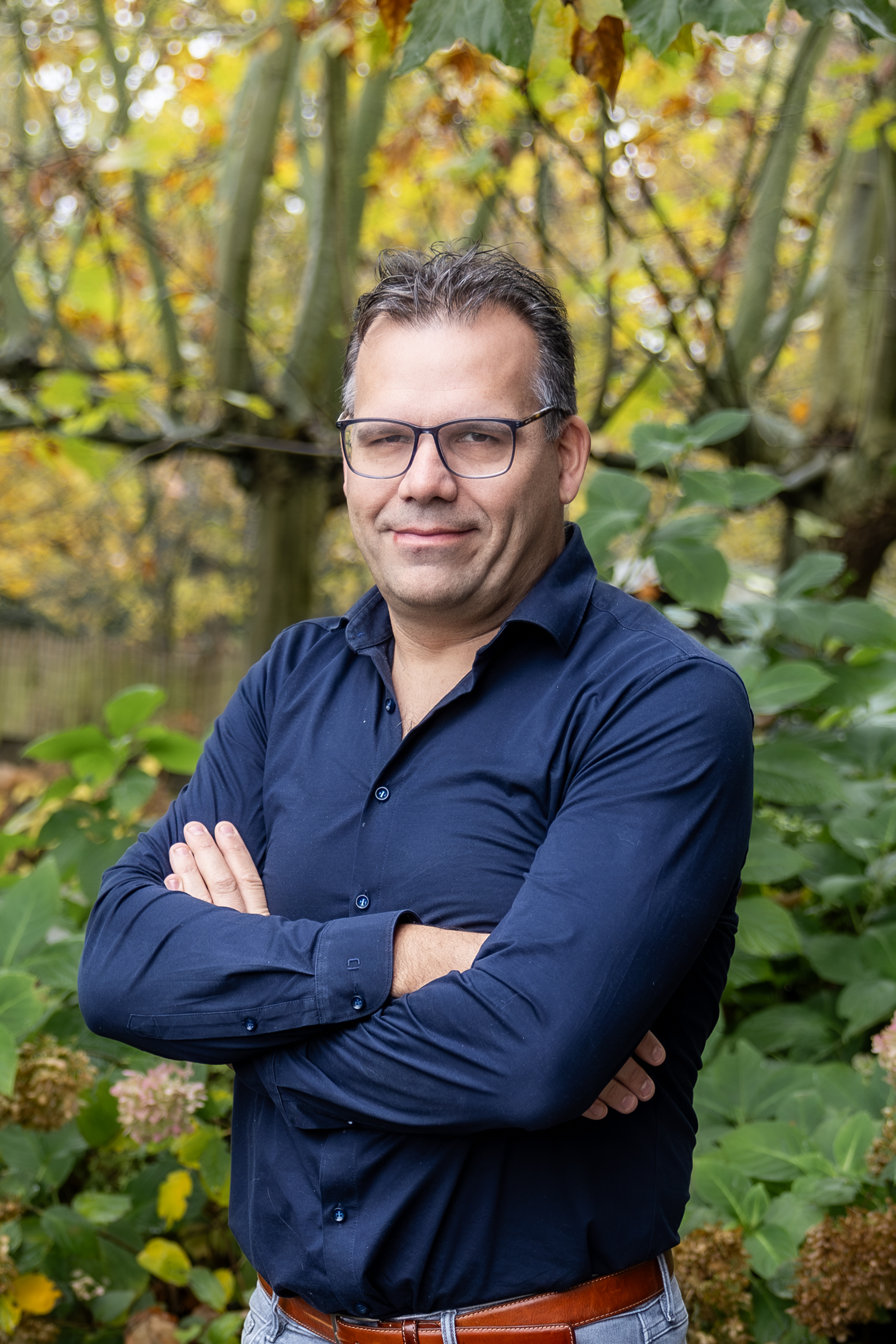
Romania produces a lot of grain and has a strong consumption of pork. Yet only part of that domestic demand is met by Romanian production. For Marcel Wiesehoff, co-owner of BanatFarming, that gap is both a challenge and an opportunity. About twenty years ago, Marcel started farming in Romania. BanatFarming began with arable farming in the Banat region, close to the Serbian and Hungarian borders. Land was available, but it also came with challenges. Many plots had not been cultivated for years. The soil was acidic and required significant investments in lime and fertilization.
There was a second problem as well. The region is far from major ports and Western European markets. Long transport distances reduced the value of locally produced grain. This led to a strategic question: Why export all that grain if you can turn it into a higher value-added product locally?
Turning grain into animal protein
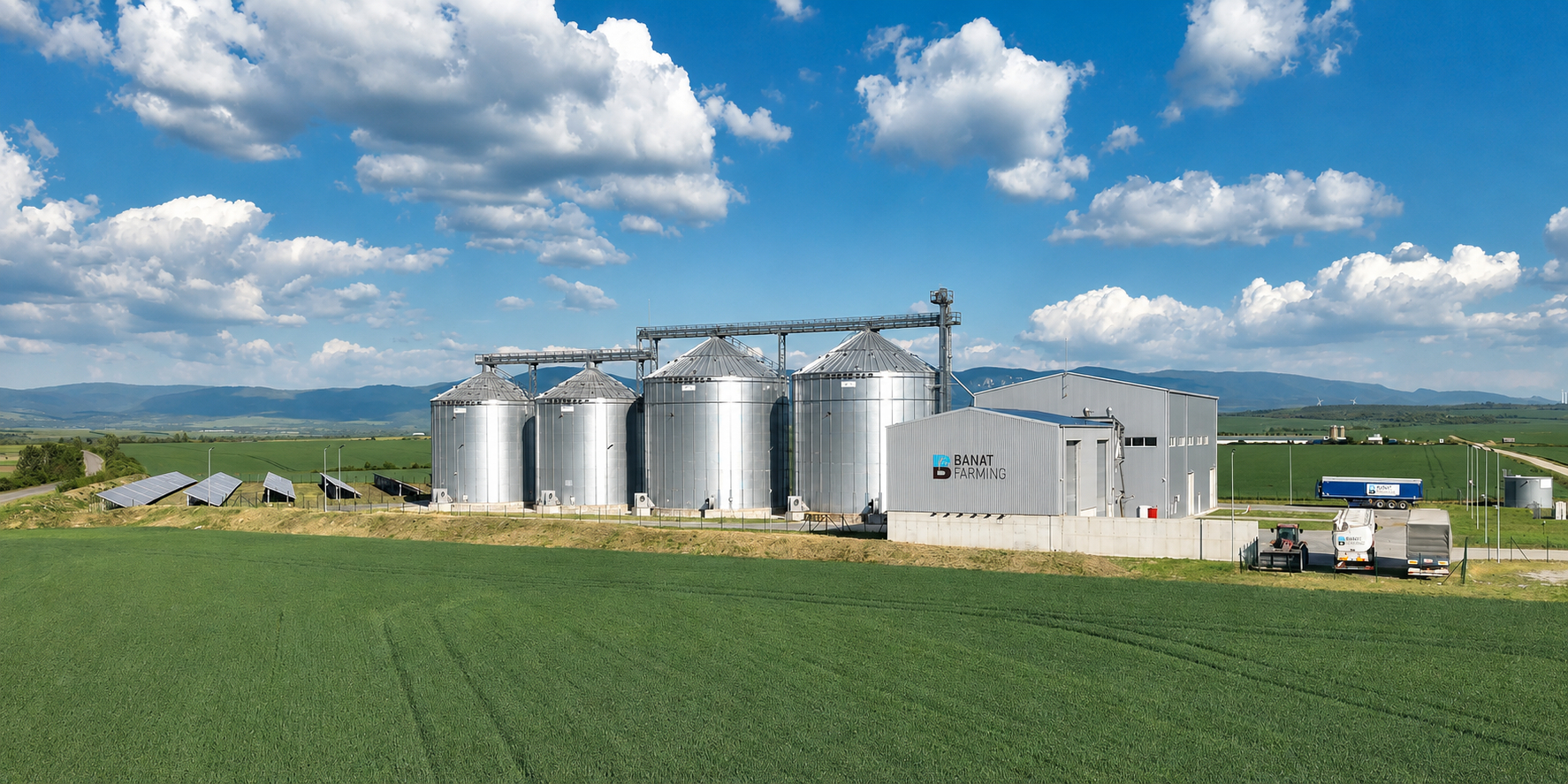
Marcel himself grew up around a sow farm, so pig farming was familiar territory for him. BanatFarming started fattening pigs around 2014–2015. Initially, piglets were imported from Germany. The next logical step was to start producing their own piglets. From 2016–2017, the company invested in sow farming. For Marcel, pig production is a logical extension of arable farming. Grain becomes feed. Feed becomes pig production. Manure goes back to the land.
From 1,700 to about 5,000 sows
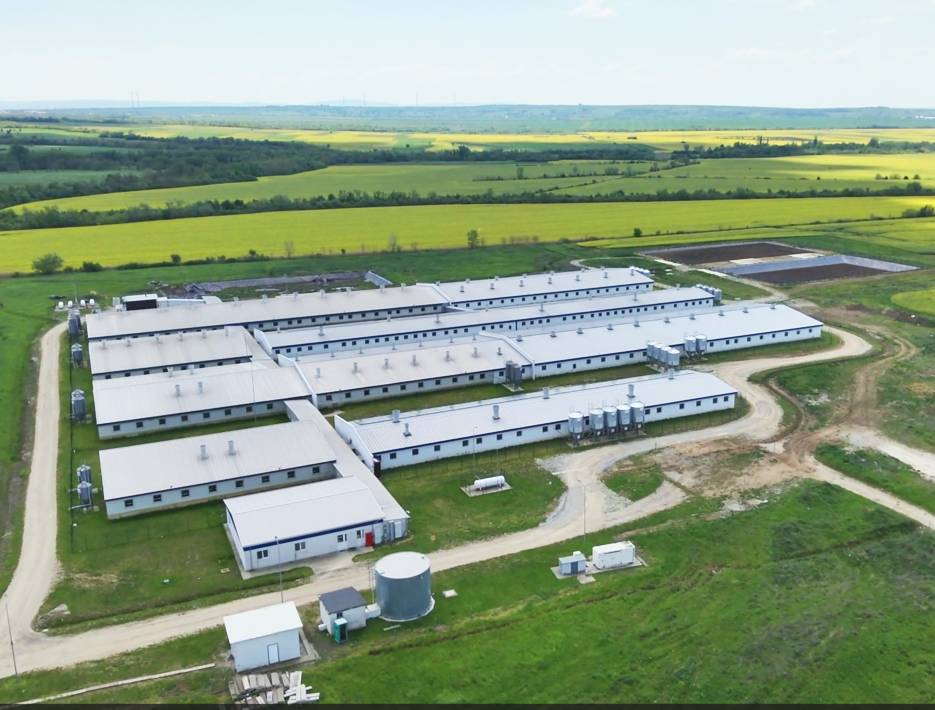
The pig division of BanatFarming has grown considerably. Today, the company operates three sow locations with about 1,700 sows each. Together, they produce around 150,000 to 160,000 piglets per year. Further investments are being made in weaning capacity. Not all piglets are fattened by BanatFarming itself. A few years ago, a difficult market led the company to work with contract fatteners in the region. Today, about one third of production is fattened within their own system and via contract fatteners. About two thirds are sold externally.
Health comes first
Ask Marcel what makes a good piglet, and his first answer is not about genetics or growth. It's about health. BanatFarming places great emphasis on biosecurity and controlled transport. Marcel sees the high health status of the farms as one of their main strengths. That requires discipline. Trucks must be clean. Access to farms is controlled. Employees receive regular training. Extra investments have been made in fencing, cleaning, and disinfection. African swine fever makes these measures even more important. For Marcel, ASF remains the biggest threat to professional pig production in Romania.
An outbreak at one farm affects more than just the animals at that location. Transport restrictions can block sales, close markets, and disrupt plans made weeks in advance.
Romania is becoming more professional
Despite this pressure, Marcel sees a clear long-term trend. Larger companies continue to invest in production and integration. Medium-sized businesses invest as soon as market conditions allow. At the same time, smaller professional pork producers do not simply disappear. Marcel actually sees value in this mix. A market made up of only a few large companies loses some of its flexibility. What is slowly declining, however, is traditional backyard pig farming. Romania is becoming more urban. Young people are increasingly living and working in larger cities. Instead of keeping pigs themselves, they buy meat from supermarkets.
This changes the structure of demand. A larger share of pork must be produced through professional production chains.
The odds are clear
Marcel expects Romanian pig production to continue growing over the next five to ten years. The country already produces many of the raw materials needed for pig production. But challenges remain. Infrastructure increases logistics costs. Wages are rising. Finding good employees willing to take responsibility remains difficult. Future requirements regarding animal welfare may require additional investments. And ASF can change the commercial situation at any moment. For Marcel, this makes efficiency throughout the entire chain increasingly important.
Flexibility connects the chain
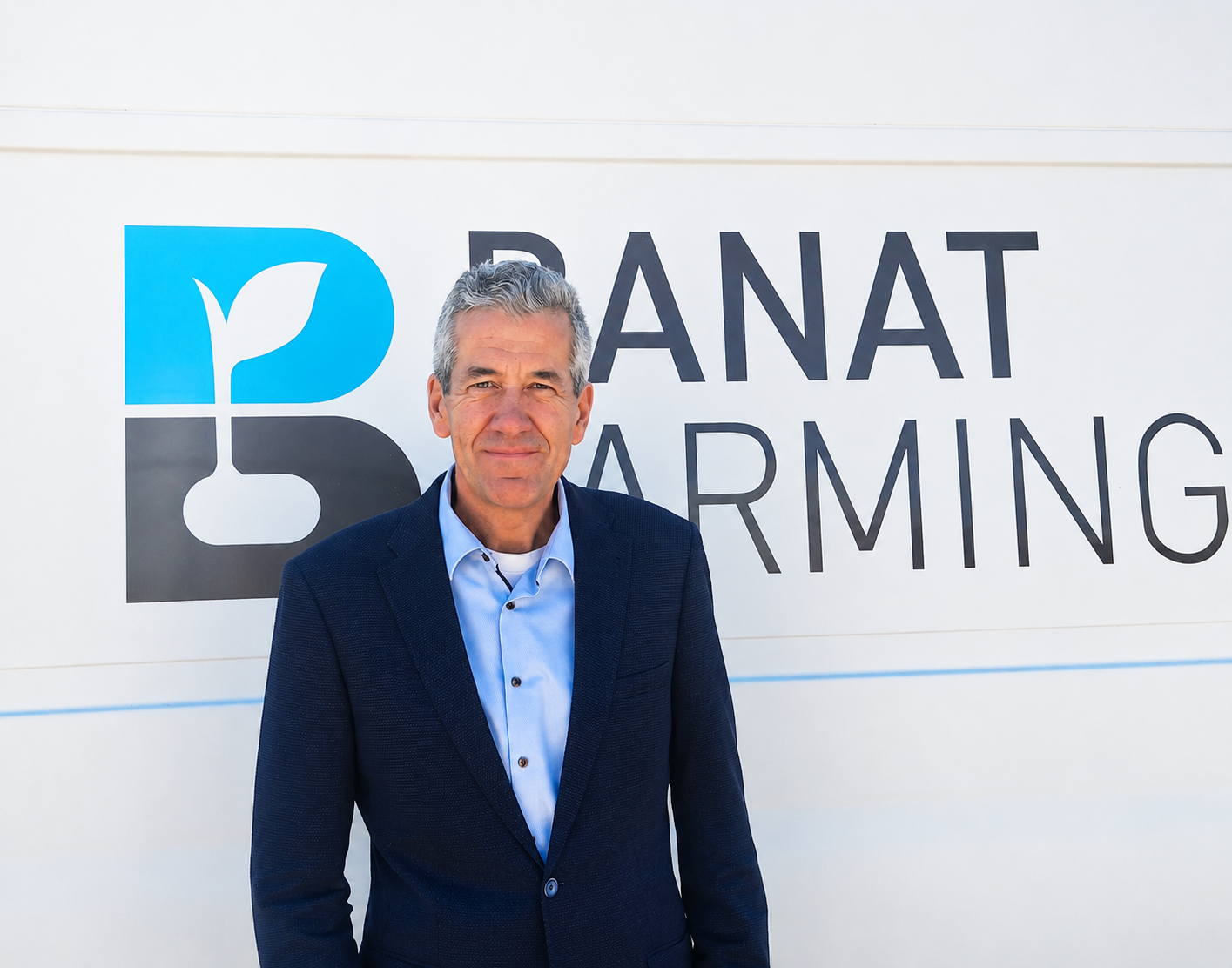
BanatFarming has now been working closely with VAEX Romania for about three years. VAEX currently contracts around 100,000 piglets per year from the company. Marcel recalls that the partnership began with Carmen. One thing immediately stood out to him: reliability.
Marcel regularly uses another word when talking about the collaboration: flexibility. A sow farm cannot simply stop production because the market changes. New piglets are born every week. A finishing pig farmer can postpone a delivery. ASF can close off a region. A slaughterhouse can adjust its demand. A producer then needs alternatives. Marcel sees this as one of VAEX's most important roles. Carmen has an overview of the market and contacts with many finishing pig farmers. When one destination falls away, she can look for another solution.
The cooperation sometimes works the other way around too. If VAEX needs extra animals or BanatFarming has suitable fattening capacity available, both companies can support each other. For Marcel, livestock trading is therefore not just about a fixed contract. It's about solving the situation that arises at that moment.
“Carmen said what she could do and only promised what she could deliver. That was important from the very beginning.”
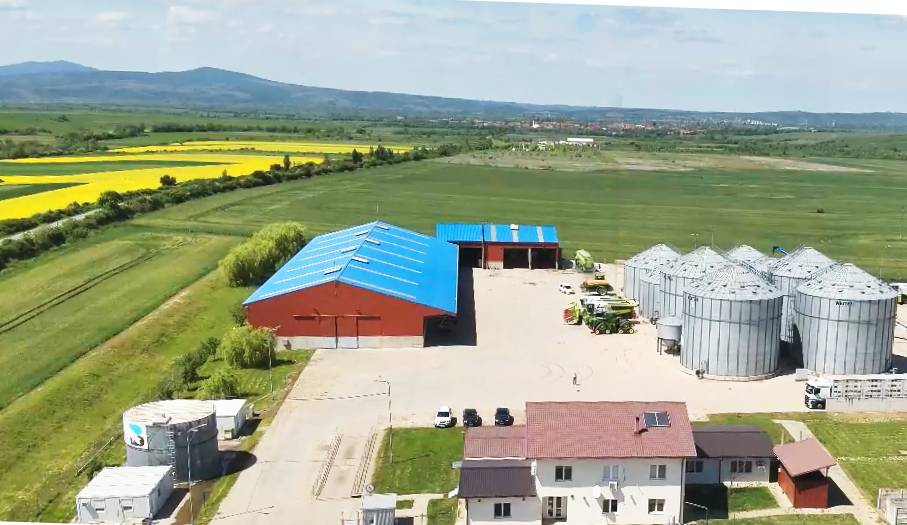
BanatFarming Headquarters
BanatFarming Headquarters
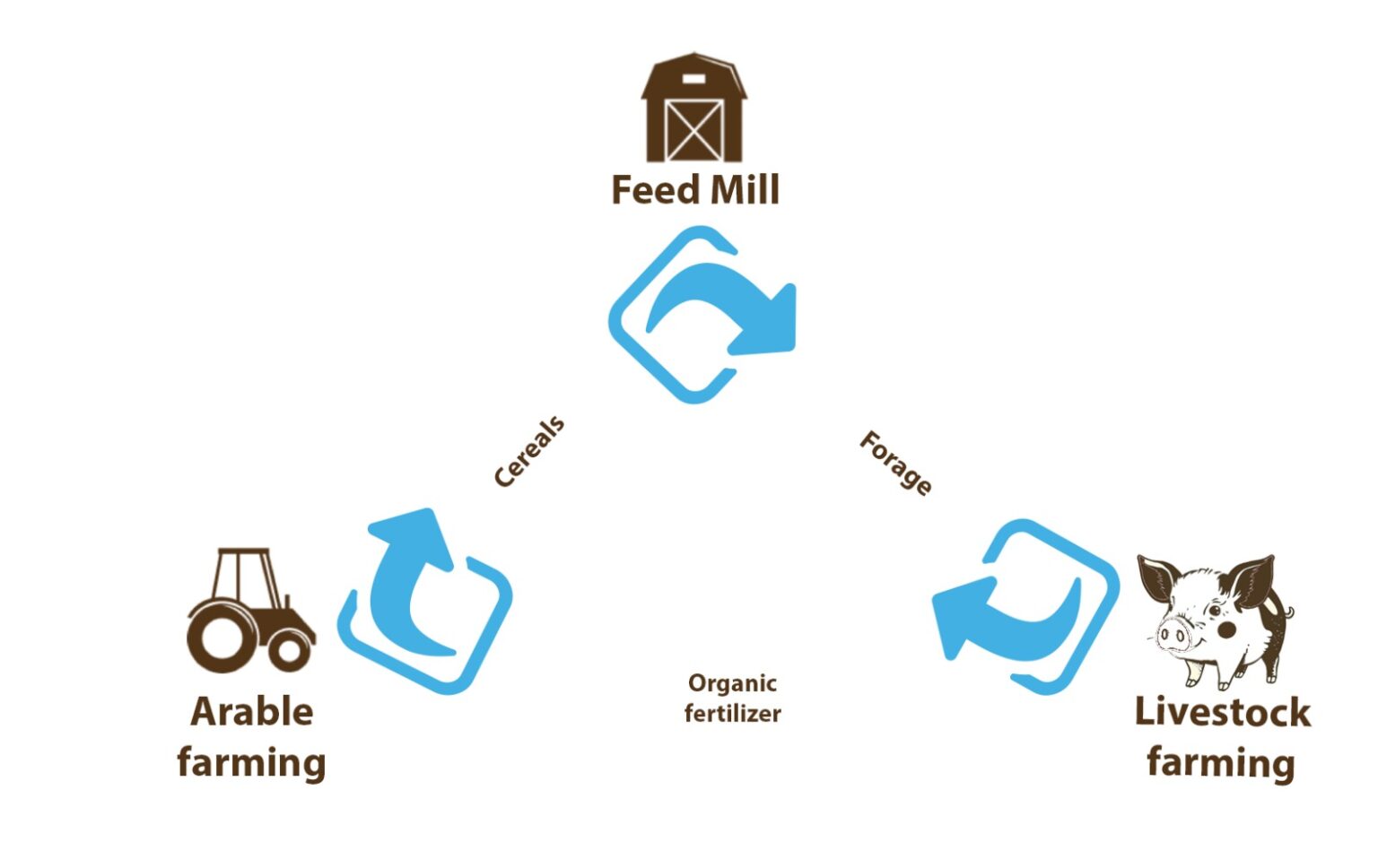
Circular entrepreneurship
Circular entrepreneurship
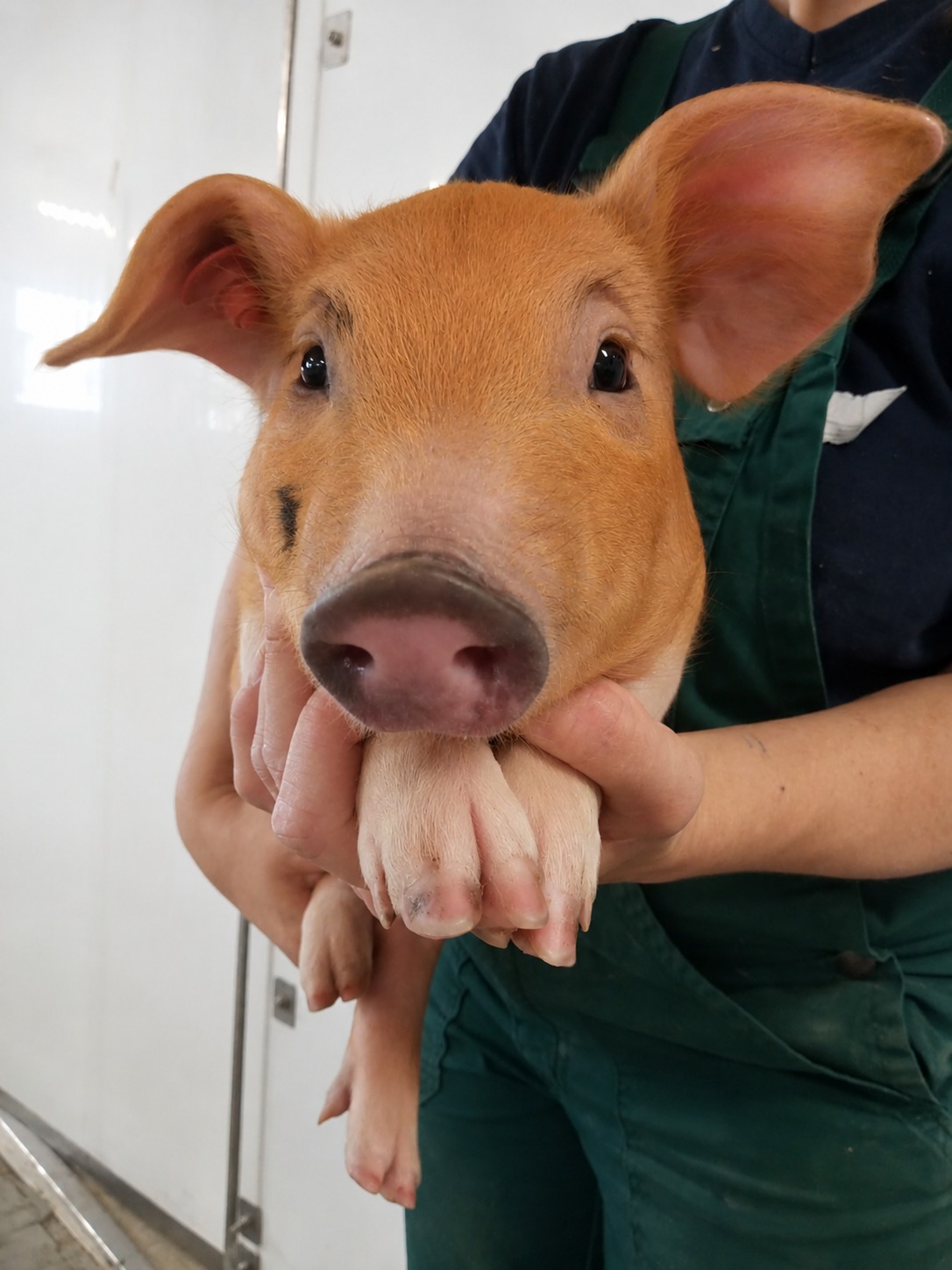
Own genetics line
Own genetics line
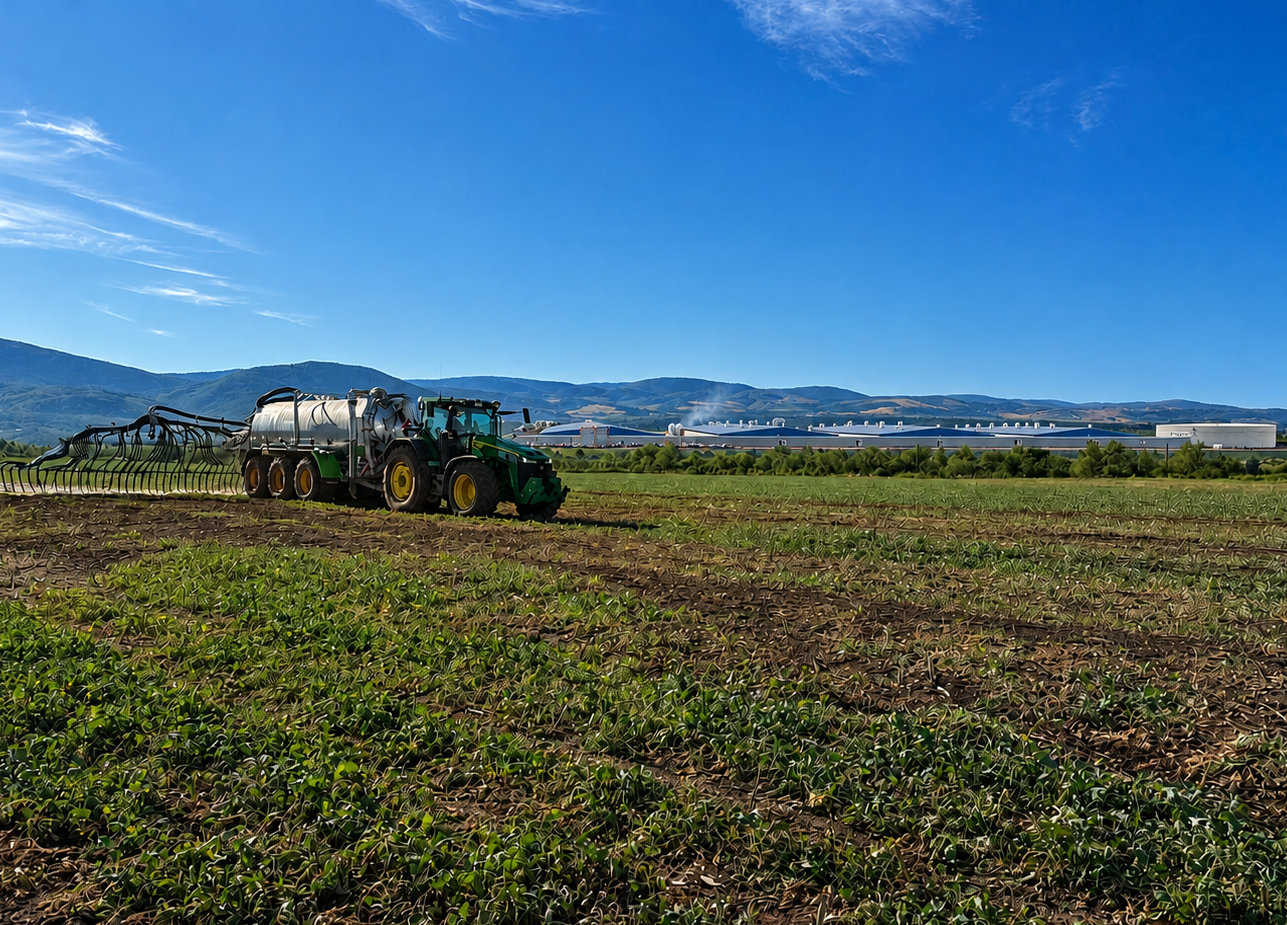
Land cultivation
Land cultivation
Born, raised and processed in Romania
Romanian consumers are increasingly paying attention to the origin of their food. BanatFarming is already participating in retail concepts where the entire supply chain within Romania is traceable. For a producer like BanatFarming, this offers opportunities to create more value than just competing on price. This development fits with what VAEX is seeing more broadly in Romania. Where the country was once heavily dependent on imported piglets, domestic production is becoming increasingly important. Marcel clearly sees the potential. The country has grain. It has consumers. It has agricultural land. And professional companies continue to invest.
“We have the grain. We have the market. There is room to produce more of our pork here in Romania.”
BanatFarming in brief
- – Approximately 5,000 sows at three sow locations.
- – 150,000 to 160,000 piglets per year.
- – 110 employees.
- – VAEX contracts approximately 100,000 piglets per year.
- – About three years of cooperation with VAEX Romania.

Magazine
Our magazine offers you a glimpse into the world of international pig and livestock trade. With up-to-date market information, inspiring stories, and practical insights. For everyone who wants to stay informed and discover new opportunities.