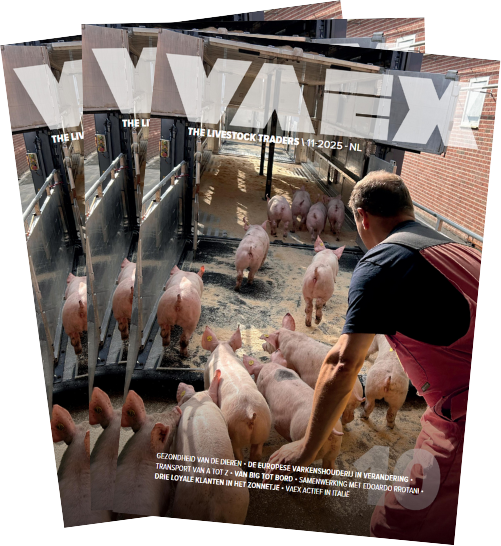
The European pig farming sector in transition
Opportunities and trends according to Robert Hoste
Pig farming in Europe never stands still. Sometimes it’s a disease that throws a wrench in the works, other times it’s new regulations or sudden price swings.
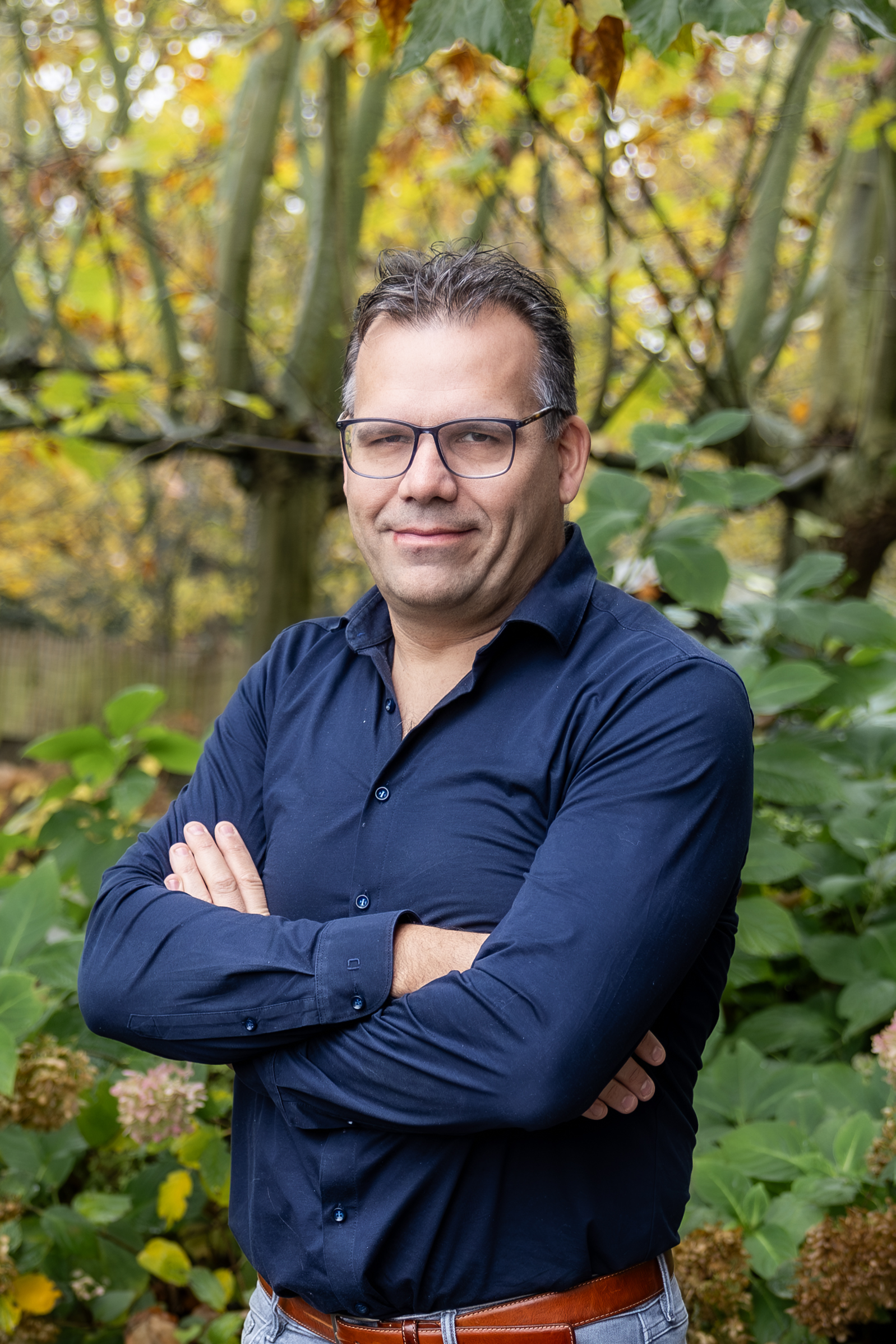
Pig economist Robert Hoste has been in the sector for over thirty years and has seen it all. According to him, every country has its own story and there are opportunities everywhere, if you pay attention.
Production is shifting
If you look at the past ten years, you see clear shifts. Spain has grown into a modern and competitive player. New barns, a strong meat industry, and exports to China have given the sector wings. But the Rosalia variant of PRRS is throwing a real wrench in the works. It can wipe out 20 to 40 percent of the animals just like that.
The result: millions of piglets are now going from the Netherlands and Germany to Spain. “That’s good for exports right now,” says Hoste, “but at some point, they’ll get things back on track there. So you have to think ahead.”
In Eastern Europe, African swine fever is a constant threat. Companies that manage to keep the disease out often do well, especially with government subsidies. Still, production per sow there remains lower on average than in the West. That makes piglets from countries like the Netherlands and Denmark especially attractive.
In Western and Northwestern Europe (the Netherlands, Germany, Belgium), the pig population is shrinking. Strict environmental regulations, welfare requirements, and buyout schemes are reducing the number of pigs. Denmark is the exception: there, the focus is on piglet production and export. On average, 34.8 weaning piglets per sow per year, nearly three more than in the Netherlands.
Challenges everyone faces
Whether you’re in Brabant, transporting piglets to Spain, or working with an integration in Hungary, some things are universal.
Health is number one. ASF and PRRS can cause enormous damage in a short time. Then there’s the volatility of the market. The war in Ukraine pushed feed prices from €348 to €457 per ton in just four months in 2022. And of course, there’s social and legal pressure: stricter welfare requirements, environmental rules, and lengthy permit procedures.
Spotting and seizing opportunities
Yet Hoste sees possibilities in every situation. “Not more pigs, but more margin. That’s what matters,” he says. This can be achieved through market programs that add extra value, such as Beter Leven or similar labels in other countries. Exporting to places where demand is high and production lags behind can also be interesting.
Hoste is pragmatic about technology: “You can only use smart technology effectively if your craftsmanship and business management are in order. Anyone who thinks technology will solve all problems is in for a rude awakening.”
What really makes the difference, according to him, is cooperation in the chain. Good agreements with buyers on volumes, quality, and prices create stability. “By working together with buyers and suppliers, you escape the madness of the day and can manage price fluctuations and other risks together.”
Looking ahead
Hoste expects Western and Northwestern Europe to shrink further in the coming years, but it will remain a piglet supplier for other European countries. Meanwhile, other regions will hold their position or grow slightly. Piglet trade between countries will continue as long as there are price differences.
His advice: keep investing in quality, respond to market demand, and make sure you stay agile. “Look at what your customer truly values, whether it’s health, welfare, or delivery reliability, and be the best at that.”

Magazine
Our magazine offers you a glimpse into the world of international pig and livestock trade. With up-to-date market information, inspiring stories, and practical insights. For everyone who wants to stay informed and discover new opportunities.