From Challenge to Entrepreneurship in Dairy Farming
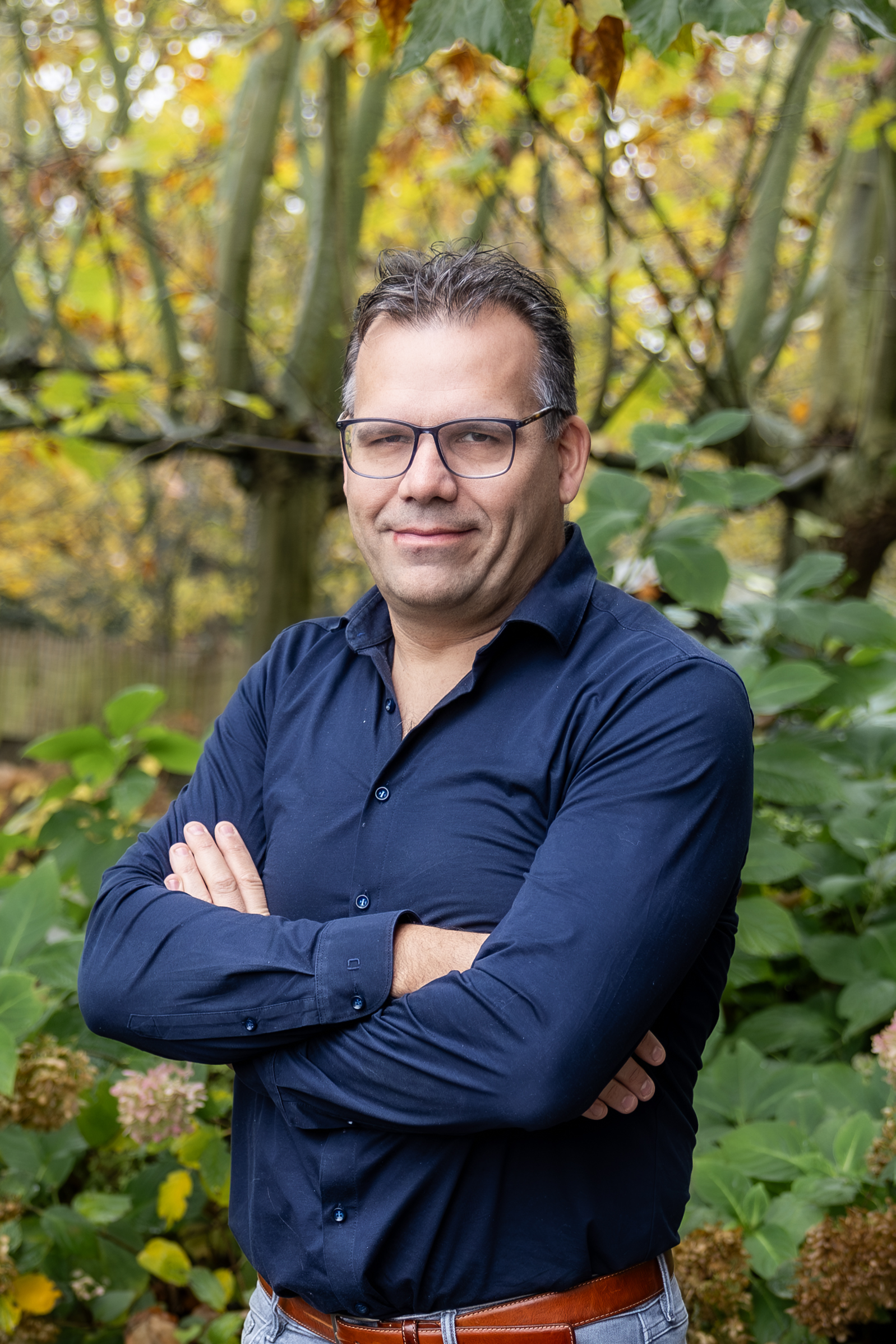
The Dutch dairy farming sector is in full motion. Profitability is variable, permits are hard to obtain, and public debates create uncertainty. Yet Marijn Dekkers, sector manager at Rabobank and himself raised in the industry, sees plenty of perspective. “For those who stay, things are not looking bad at all. Demand for milk remains strong and entrepreneurs want to move forward.”
Entering the Sector from Home
Marijn knows the dairy sector from the inside out. He grew up in Zeeland, in a dairy farming family. “That always stays with you,” he says. “The beauty of the sector is that it's all about family businesses. It's about food production, long-term vision, and continuity. That really appeals to me.”
After his studies, he first worked for several years at home in the partnership alongside his job at the bank, before fully switching to the bank. He has now been working at Rabobank for many years, the last 13 as sector manager for dairy farming. “In that role, I support our Food and Agri teams throughout the Netherlands. I am involved in lectures, training, policy, vision development, and of course, lots of contact with entrepreneurs. That keeps me close to practice.”
Profit and loss are closely linked
That the sector is challenging is beyond question. “One year, the milk price can be ten cents higher or lower,” Marijn explains. “And that difference is huge for income. Meanwhile, costs are rising due to things like manure disposal, energy, land, but the dairy farmer can't raise their price themselves. So you have to be creative to cope with those rising costs.”
That's why, according to him, more and more farmers are broadening or expanding their business models. “Alongside business growth, we also see activities like on-farm dairy processing, energy generation, and hospitality; others join sustainability programs to increase the milk price within their current scale. You notice that entrepreneurs are looking for ways to add value.”
Nitrogen and permits weigh heavily
Since 2019, the nitrogen issue has been a daily concern. Obtaining new permits has proven difficult and that hampers expansion. The abolition of derogation—the right to spread more manure on grassland—also has major consequences. “Farms now have to dispose of more manure, and those costs have doubled in recent years. That has become a real burden.”
Additionally, the debate about land-based farming hangs over the market. “Suppose a standard is introduced: a maximum number of cows per hectare. Then it’s wise to think about that now. How could I link extra land to my business? It brings peace of mind if you work out those scenarios in advance.”
Cautious optimism
Still, Marijn is not pessimistic. On the contrary. “The fundamentals are good. The Netherlands is truly a dairy country: we have the climate, the knowledge, the entrepreneurs, and a strong processing industry with short lines. Global demand for milk remains strong, and we see that supply struggles to keep up. That means those who stay have perspective.”
He also sees a willingness to invest among entrepreneurs. “Despite uncertainty, farmers want to move forward. You can't stand still for ten years, that's not what entrepreneurship is about.”
“Farmers don't want to stand still for ten years, they want to move forward.”
Sometimes that means scaling up, sometimes working more extensively. But always with an eye on future resilience.
Technology as a silent engine
Technology is an important factor for that future. Milking robots are now widely adopted, but according to Marijn, there is still much to gain in the field of data. “We have an enormous amount of information, but we’re not yet using it optimally. There are real opportunities there. Data can help you feed more efficiently, monitor your cows’ health better, or achieve sustainability goals.”
Capitalizing on sustainability
Sustainability is a key word in the Netherlands. Programs from cooperatives like FrieslandCampina, Arla, and Eko Holland pay a premium for sustainably produced milk. “Farmers can really benefit from that,” Marijn emphasizes. There are also entrepreneurs who process dairy themselves or sell directly, thus translating their sustainability claims into euros.
But internationally, that’s more difficult. “The Dutch consumer is willing to pay for sustainability. But in Germany or Asia, it’s more often about price. There, we compete with countries like New Zealand or the US, where costs are lower. That makes it difficult to fully capitalize on sustainability outside the Netherlands.”
“You can capitalize on sustainability in the Netherlands, but internationally it’s more challenging.”
International flows: a logical puzzle
The sector is closely intertwined with international trade. In recent years, for example, cull cows came from Croatia and milk from Germany to keep Dutch processing capacity running. “Those are often temporary solutions,” Marijn explains. “Logical in the short term, but less sustainable structurally. Still, there will always be an imbalance. And that’s where a company like VAEX comes in: with their network, they can fill needs both domestically and abroad.”
Young entrepreneurs inspire confidence
Despite all the hurdles, Marijn sees a lot of energy among the new generation. “Young farmers look beyond their own farm. They work together, invest in data and technology, and are used to uncertainty. That inspires confidence.”
His advice to dairy farmers: “Know your numbers and stay focused on the future. Don’t let yourself be led only by the bank or an advisor, but take ownership of your plans. Then you can make conscious choices, whether that’s about land, scale, or sustainability.”
The perspective is real
The sector faces significant challenges, but the future also offers opportunities. Marijn concludes: “The perspective is real. Demand for milk remains, technology will help us move forward, and sustainability can be a business model. For the entrepreneurs who stay, there is a bright future ahead.”
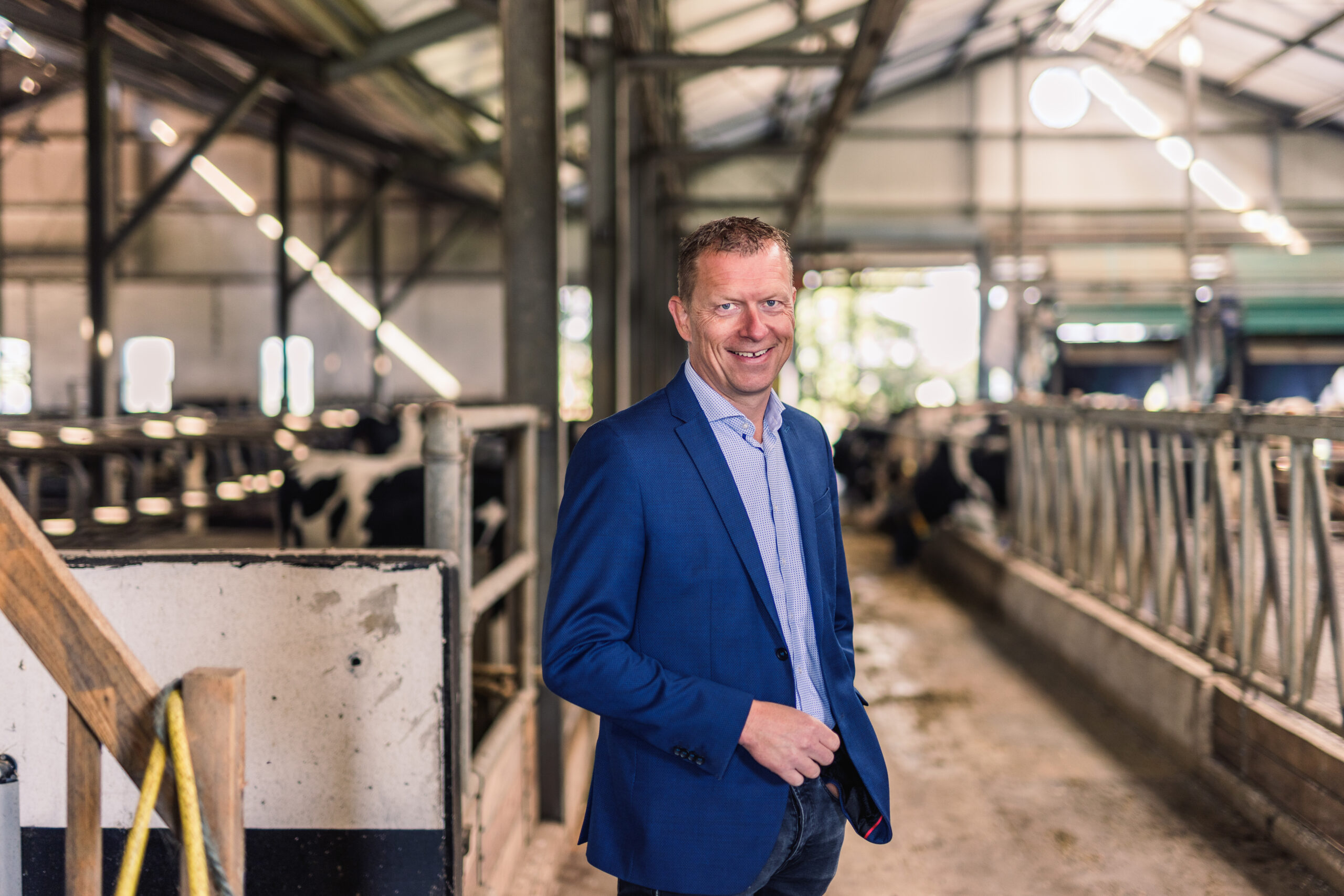
“Farmers don't want to stand still for ten years, they want to move forward.”

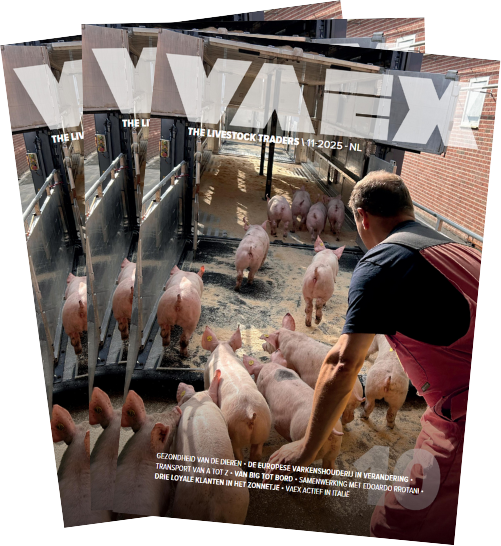
Magazine
Our magazine offers you a glimpse into the world of international pig and livestock trade. With up-to-date market information, inspiring stories, and practical insights. For everyone who wants to stay informed and discover new opportunities.