Transport from A to Z
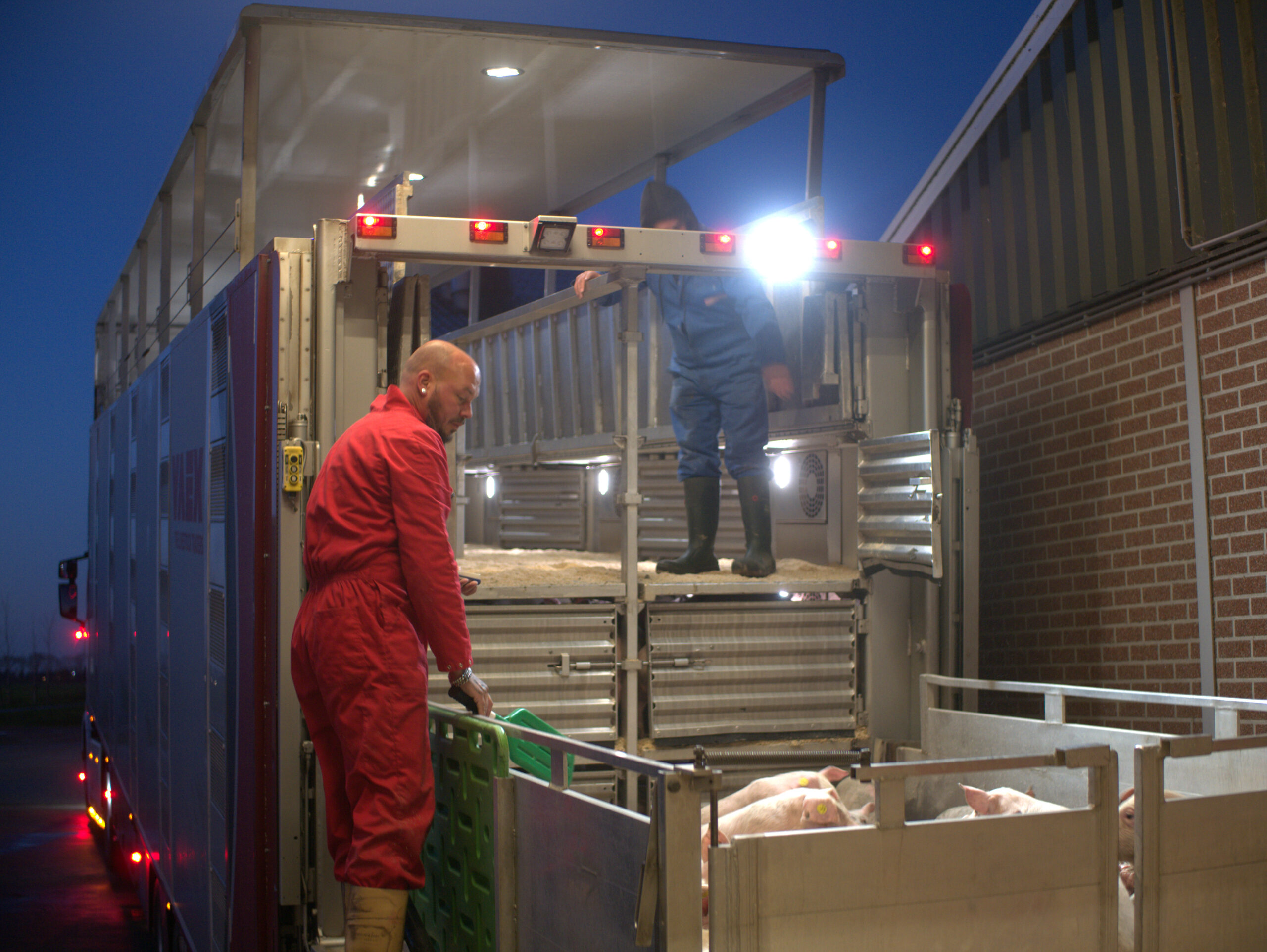
Further for the best start – It’s early and still quiet at the loading area. Two livestock trucks are reversing, the sawdust smells fresh, coffee is steaming, and the paperwork is ready. In an hour, we’ll be on our way south: Dutch piglets heading to Spanish barns. On the other side of Europe, an empty barn awaits, feed is ready, water is running. “We deliver animals that are hard to rear elsewhere,” says Dirk Govers of VAEX The Livestock Traders. “Sometimes you have to go the extra mile to get quality to the right place.”
Why piglets sometimes travel far and how we make sure it’s done right
It’s early and still quiet at the loading area. Two livestock trucks are reversing, the sawdust smells fresh, coffee is steaming, and the paperwork is ready. In an hour, we’ll be on our way south: Dutch piglets heading to Spanish barns. On the other side of Europe, an empty barn awaits, feed is ready, water is running. “We deliver animals that are hard to rear elsewhere,” says Dirk Govers of VAEX The Livestock Traders. “Sometimes you have to go the extra mile to get quality to the right place.”
Why those miles matter
Anyone working in the pig trade knows: the market is never perfectly balanced. One region has plenty of fattening capacity and too few piglets; another has good barns but wants to make a genetic leap. The Netherlands has always been strong in breeding and health. Years of selecting for feed efficiency, uniformity, and growth have produced animals that make a difference elsewhere. On top of that, not every country has the infrastructure or scale to quickly breed enough of their own piglets. In that case, targeted transport isn’t a luxury, but a logical link in the chain.
Anything over eight hours is called long-distance transport. Think of trips to northern Spain. These journeys have extra requirements and need extra attention. Not just because the rules say so, but because a calm journey makes all the difference at unloading.
How do you prepare for such a trip?
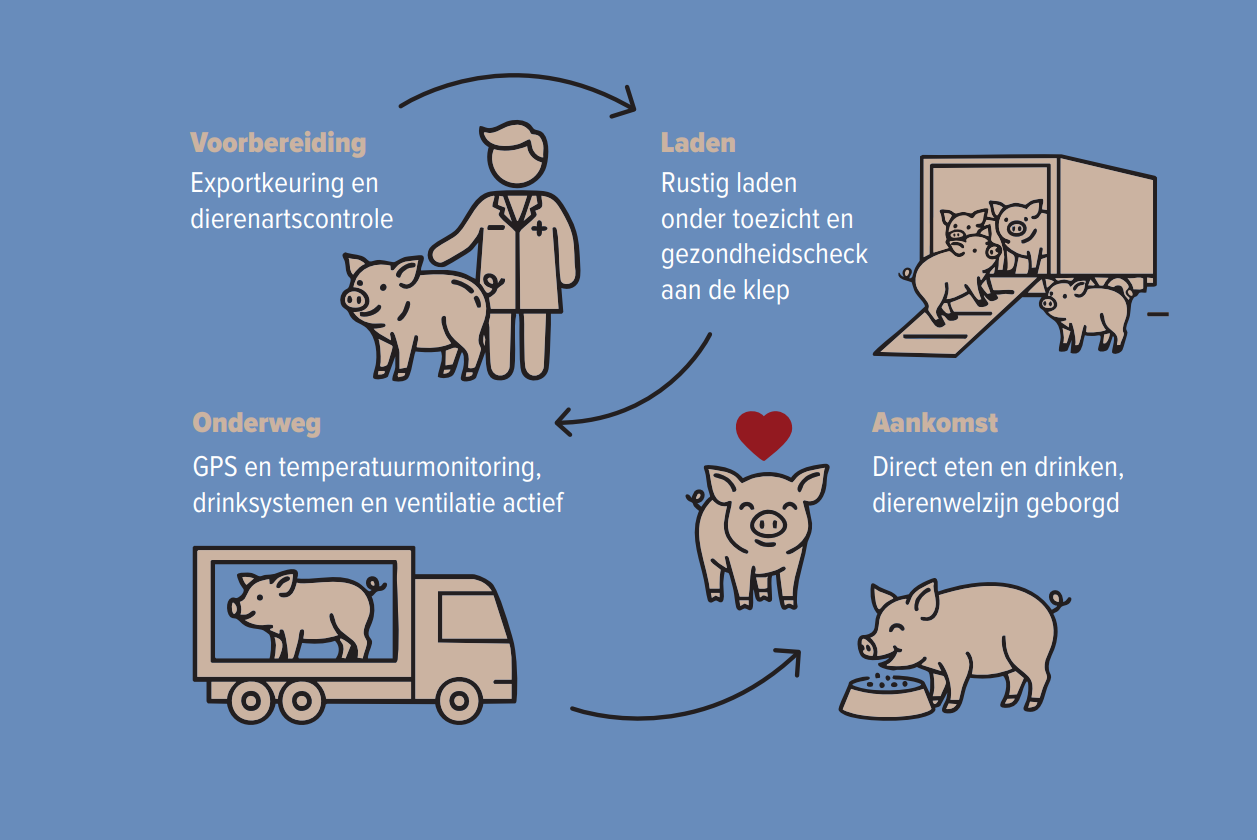
Long-distance transport doesn’t start on the day of departure, but well before.
– VAEX schedules the trips well in advance.
– The export inspection is requested: with clear information about the animal group, destination, route, and the exact vehicle.
– A veterinarian checks the animals at the loading ramp and verifies the planning and the animals’ fitness. Only then can loading begin.
The vehicles are equipped for these journeys. They have, among other things:
– GPS tracking and temperature sensors per compartment.
– Drinking systems that work on the road.
– Straw or sawdust for comfort and grip.
What happens on the road?
On long trips, there are always two drivers. Not just for company, but to keep going and stay sharp. For piglets, we plan to arrive and unload within 24 hours. That’s only possible with tight planning and calm driving. No hard braking, no wild corners, because you have a live cargo in the back.
At every stop or driver change, the team checks the same list: are the animals lying calmly, is there water pressure everywhere, are the fans running, is the temperature stable? If anything needs adjusting, it’s done immediately. “You prevent problems by staying ahead of them,” says one of the drivers. “That’s the whole craft.”
Arrival: what do you see then?
If everything has gone well, you notice it right away at unloading. The piglets step off calmly, start drinking quickly and sniff at the feed. Intake goes smoothly, and the animals are curious and alert. That’s important: an animal that arrives relaxed gets off to a better start. The farmer sees the difference too: a uniform group, active and without visible stress.
What does it deliver?
Well-organized transport ensures predictable batches that are uniform, healthy, and suited to the buyer’s operation. This allows you to respond quickly, limit downtime, and make genetic progress without having to breed yourself.
What do we do for animal welfare?
Animal welfare doesn’t start on the truck. It starts with selection and fitness at the front end. We only load what can travel, any doubtful cases stay behind and may go to Pigarné (the slaughterhouse specialized in processing piglets not suitable for further fattening). During loading, exporter, driver, and veterinarian all keep an eye. On the road, climate, water, and space keep conditions stable. Sensors record everything, GPS shows the route. Not as a gadget, but as steering information and transparency for the customer and supervisor. That’s how you safeguard both welfare and quality at the same time.
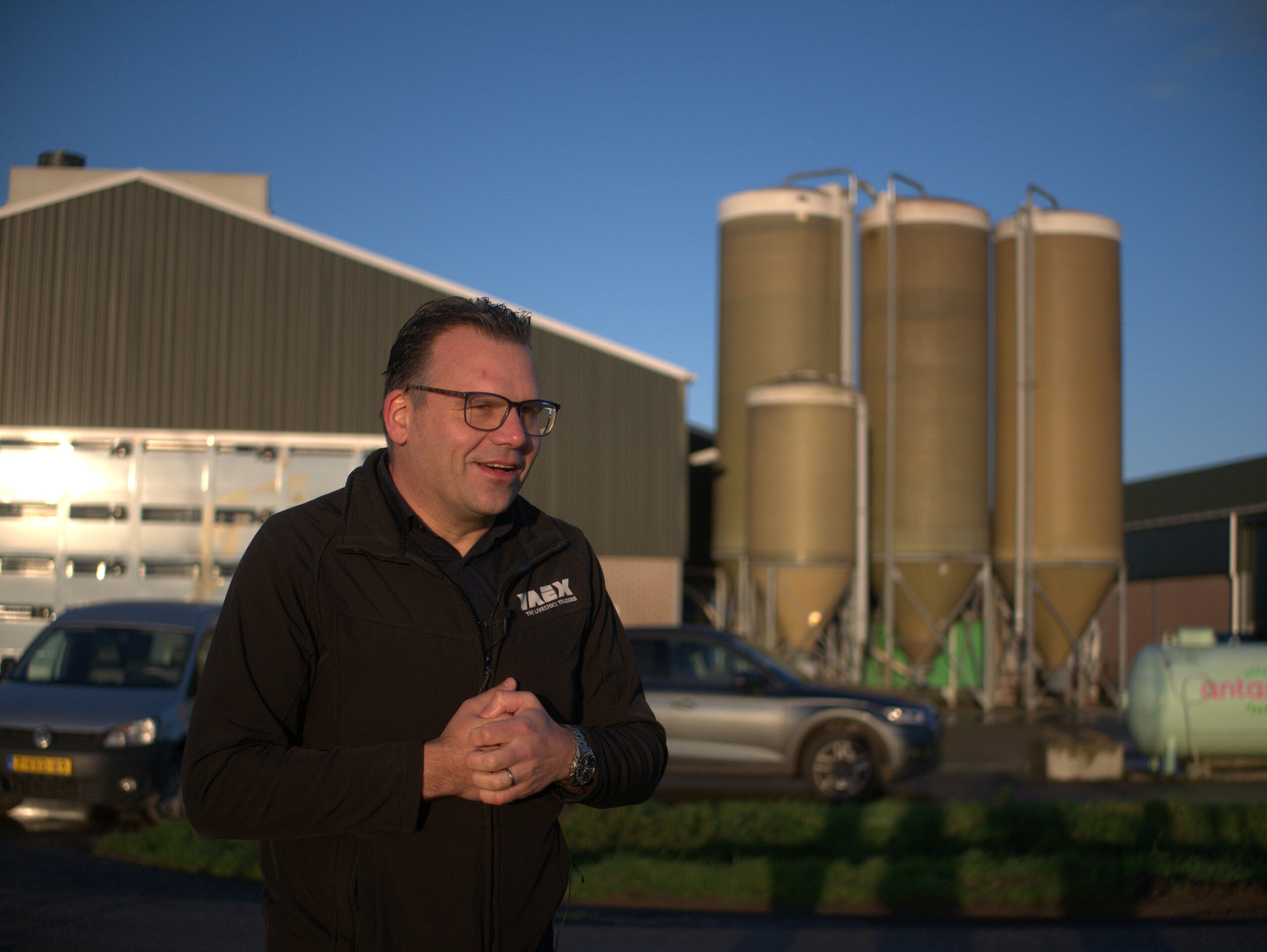
“My day is a success when the piglets are lying neatly in the barn and eating their feed.”
How we keep it smooth and friendly for the piglets
– beforehand we match animal and destination, with health status in order
– inspected trucks with climate control, drinking water, and bedding
– two drivers, calm driving, fixed checkpoints
– route and travel times secured, trip data (temperature, GPS) available
– after arrival, immediate intake and a short aftercare line to the customer
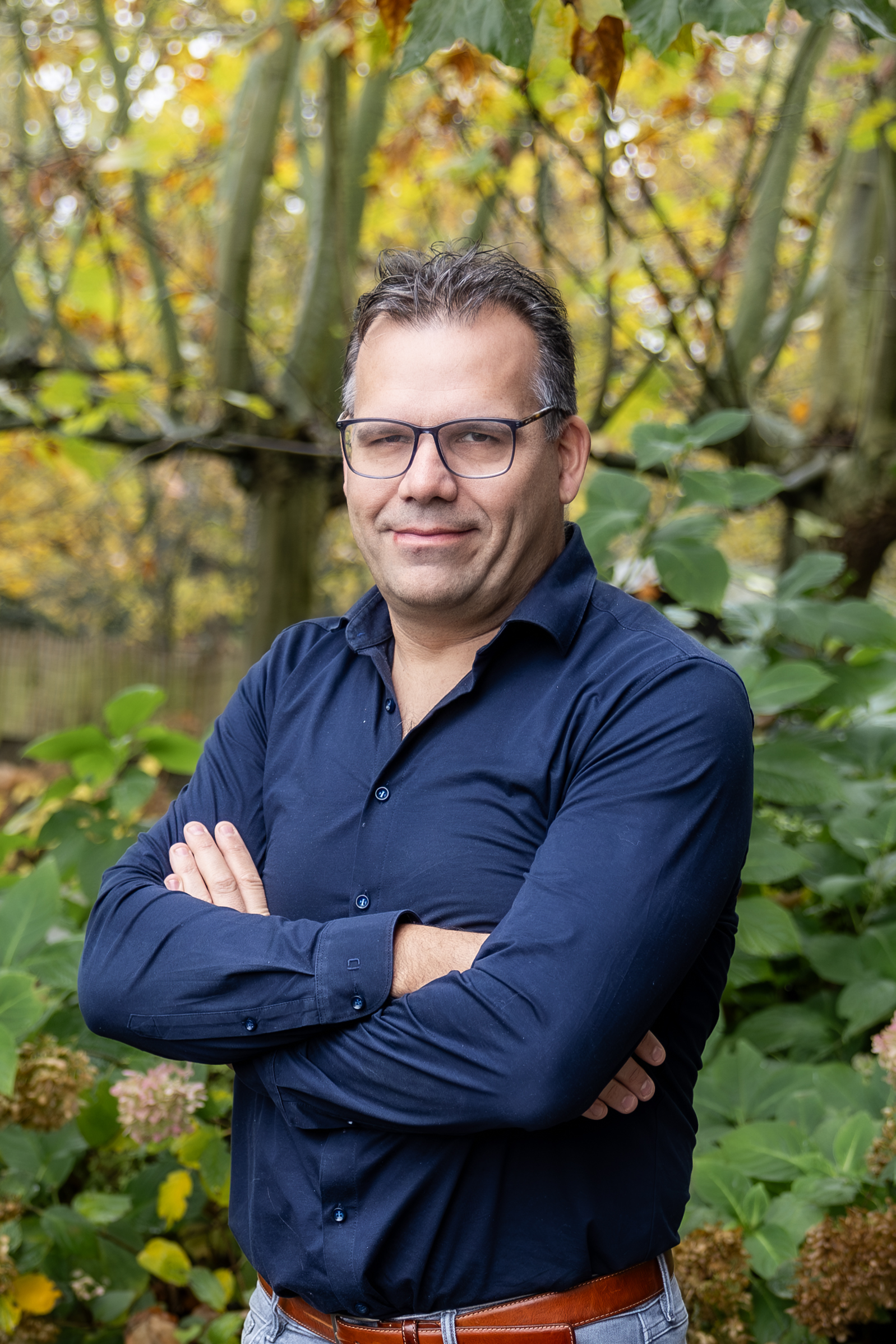
“My day is a success when the piglets are lying neatly in the barn and eating their feed,” Dirk summarizes. “Then you know the whole chain has worked.”
Behind the scenes
Join us on a loading day and you’ll see the rhythm. Weighbridge at zero, paperwork in order, sawdust a bit thicker if the outside temperature rises. A nod from the vet, a final check of the drinking lines, doors closed. No spectacle, but full concentration. And yes, even with 1500 kilometers ahead, you can keep things calm.
Finally
Long-distance transport sounds grand, but at its core it’s simple: bring the right animal, in the right way, to the right place. Sometimes that’s just around the corner, sometimes it’s over the Pyrenees. If you prepare well, drive carefully, and keep your eye on the animal, those miles become an investment in a better start. And the whole chain benefits—from trader to farmer, from feed supplier to slaughterhouse.
Click the button and take a look behind the scenes:
from ramp inspection in the Netherlands to unloading at the barn in Spain.

Magazine
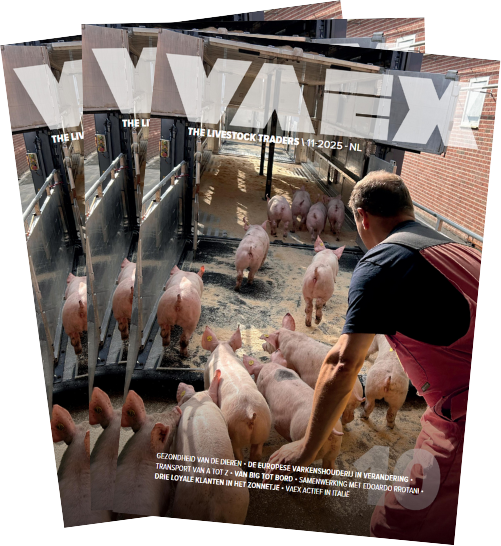
Our magazine offers you a glimpse into the world of international pig and livestock trade. With up-to-date market information, inspiring stories, and practical insights. For everyone who wants to stay informed and discover new opportunities.