When Spain sneezes, Europe catches a cold
During a visit to Spain in November 2025, Miguel Ángel Higuera, president of ANPROGAPOR, warned of a scenario no one wanted: African swine fever in Spain. Less than a month later, it became reality. Since then, the consequences have been felt throughout Europe. Trade flows shifted and the export of Northern European piglets to Spain was affected. At the same time, Spain kept producing. According to Higuera, that's the core of the matter: the European pig sector no longer consists of separate countries. It is one market.
The warning that came true
November 2025. VAEX visits the Spanish pig sector together with a group of Dutch pig farmers. The program includes visits to various companies, talks with entrepreneurs, and a presentation by Miguel Ángel Higuera about Spain's position in Europe and the world.
Over the past decades, Spain has developed into the largest pig producer in Europe. The scale increased, the meat industry became more professional, and exports became an increasingly important pillar of the Spanish business model. But that day, Higuera doesn't just talk about growth. He warns about African swine fever. His message is clear: when ASF reaches Spain, it won't just be a Spanish problem. Because of the size of Spanish production and the large export volume, the consequences will be felt throughout Europe. Less than a month later, that scenario becomes reality.
When we speak to Higuera again in 2026 for VAEX Magazine, the situation has completely changed. “Many people thought African swine fever is mainly a problem for the country where the disease breaks out,” he says. “But Europe has a single pig market. The past months have made that abundantly clear.”
Spain is too big to isolate
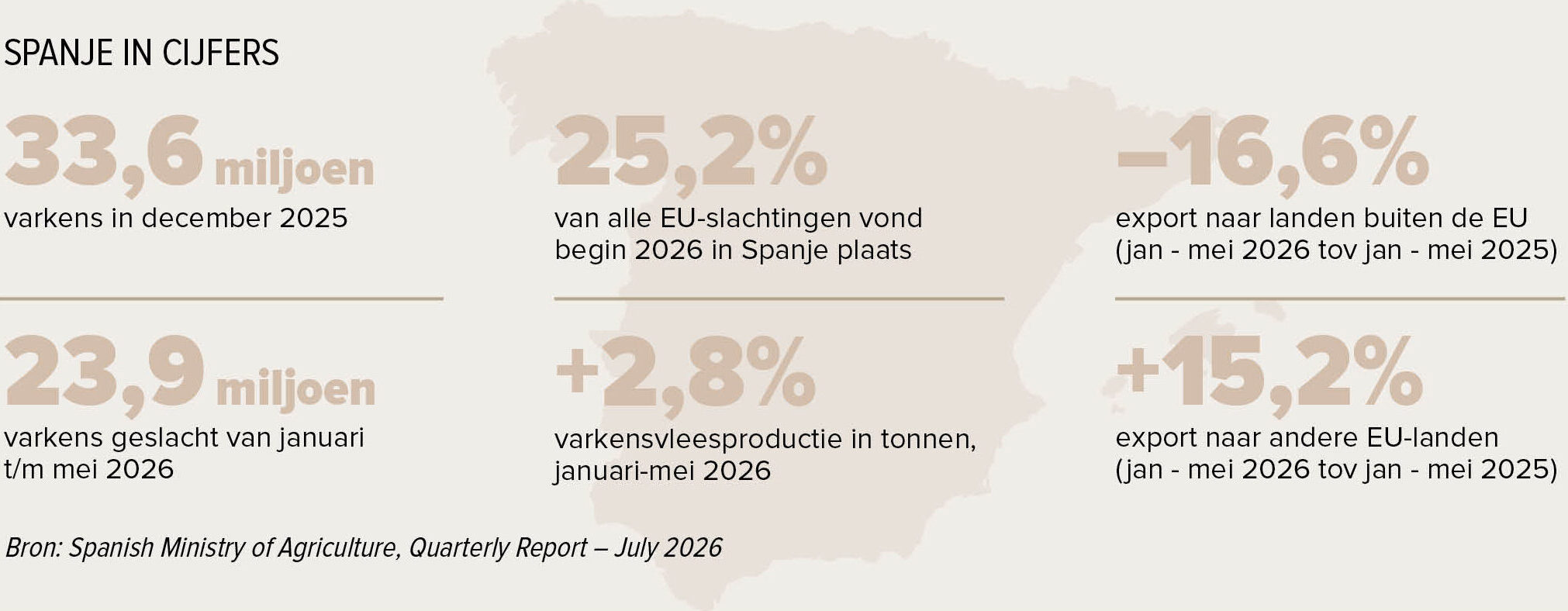
During previous ASF outbreaks in Germany, the European market was able to adapt. Countries like Spain, the Netherlands, and Denmark took over part of the international sales. With Spain, the situation is different. The country is simply too big. At the end of 2025, Spain had 33.6 million pigs. From January through April 2026, the country was responsible for 25.2 percent of all pig slaughterings within the European Union. So, a quarter of all European pigs are slaughtered in Spain. When export markets become more limited for such a large producer, the meat doesn't just disappear.
It looks for another buyer. And that buyer is increasingly found within Europe. “If Spain can sell less outside the European Union, automatically more supply appears on the European market,” Higuera explains. “That pulls the entire chain along.” More Spanish meat means more competition for other European slaughterhouses. That affects pig farmers and fatteners. Ultimately, this shift also reaches the producer of a piglet in the Netherlands or Denmark.
“If Spain has an export problem, Europe has a market problem.”
More production, different sales
Anyone who expected Spanish production to drop sharply immediately after the outbreak was proven wrong for now. From January through May 2026, 23.9 million pigs were slaughtered in Spain. That was 1.3 percent more animals than a year earlier. In tons, production rose by 2.8 percent.
That seems contradictory. A sector facing major market problems produces even more. But according to Higuera, that's exactly what explains the pressure on the European market. “Our slaughterhouses and meat industry still need animals. The problem isn't that pigs aren't needed. The problem is the economic value the market can pay for that production.”
Exports shift to Europe
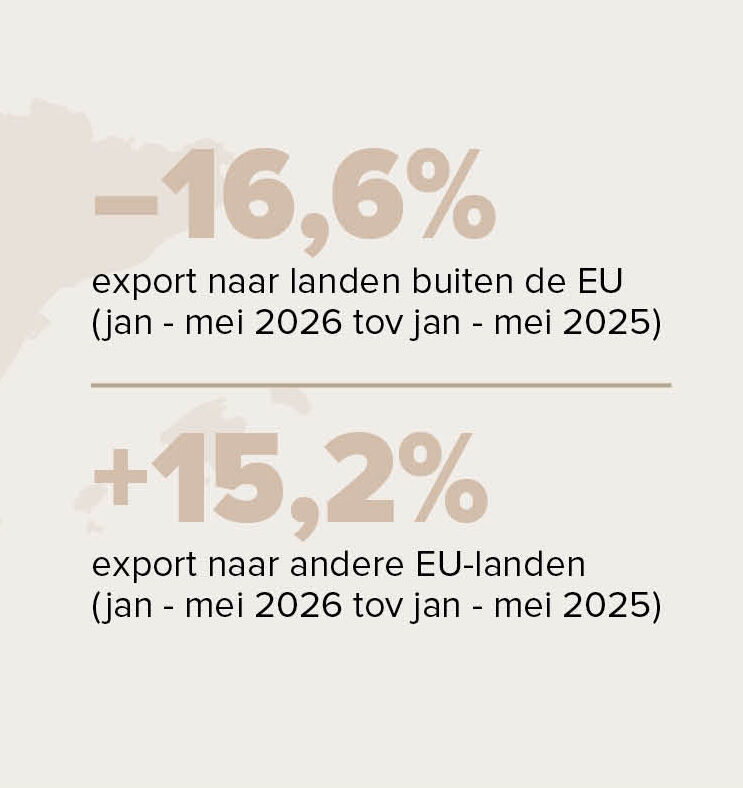
The main change is therefore not in production volume, but in the destination of the meat. From January through April 2026, Spanish exports to countries outside the European Union fell by 16.6 percent. At the same time, exports to other EU countries grew by 15.2 percent. That's a significant shift. Meat that would otherwise have gone to third countries is now more often sold within Europe.
According to Higuera, this creates a chain reaction. “Spain has to be more competitive to sell its products. Buyers in other countries see that Spanish meat is becoming available, and that puts pressure on their traditional suppliers.” Especially for standard products, price plays a major role. Products with more added value can differentiate themselves better. So, the shift in Spanish exports doesn't just affect Spain. Producers and slaughterhouses in other European countries are also impacted.
A sector that keeps adapting
The developments simultaneously show how quickly the Spanish sector adapts to new circumstances. Spain has built a strongly integrated production chain. Large fattening companies, modern slaughterhouses, and international sales channels are closely connected. This scale offers advantages, but also creates dependencies. When an important export destination disappears, large volumes must quickly find a new market. That’s why flexibility, according to Higuera, is becoming increasingly important. “Those who have multiple sales opportunities can respond more quickly. That’s extremely important in today’s market.” And it’s not just about slaughterhouses.
Producers, integrations, and traders must also respond quickly to changes in supply and demand. Specialization and scale have made Spain big. But that very scale means that when the market changes, the consequences for the rest of Europe are greater.
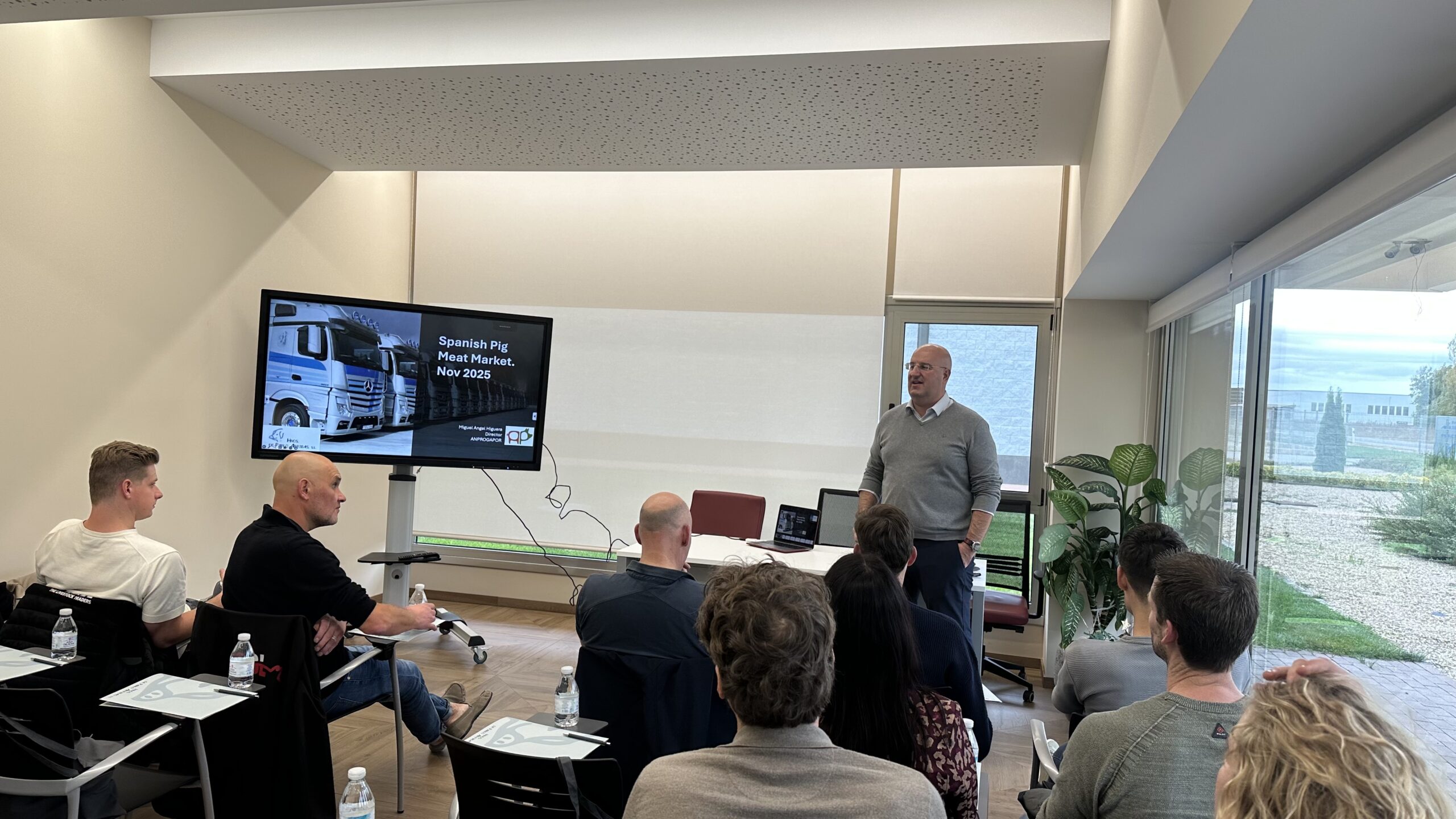
Presentation by Miguel Angel Higuera on the Spanish pig sector - Nov '25
Presentation by Miguel Angel Higuera on the Spanish pig sector - Nov '25
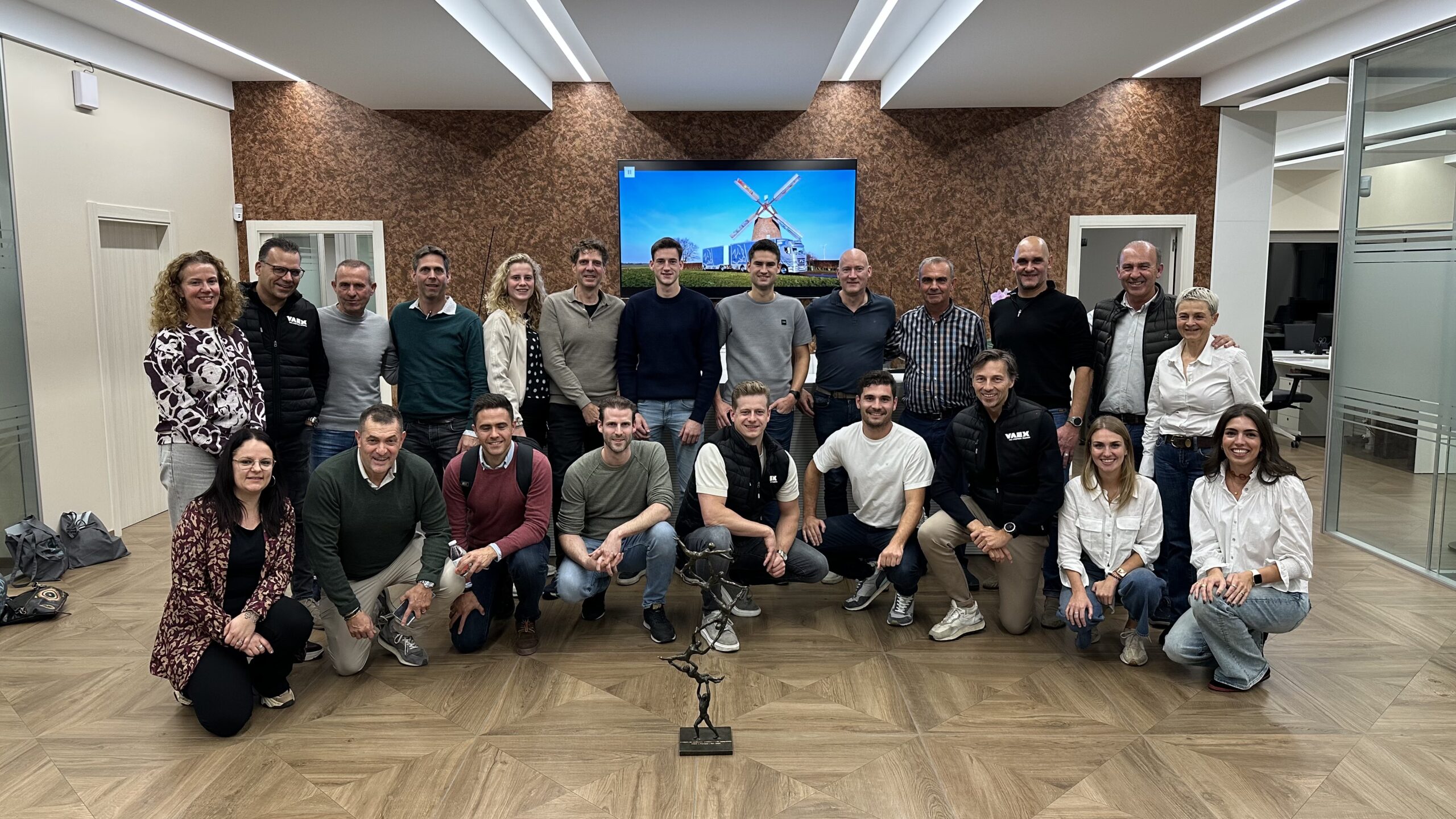
Visit to Spain with Dutch breeders
Visit to Spain with Dutch breeders
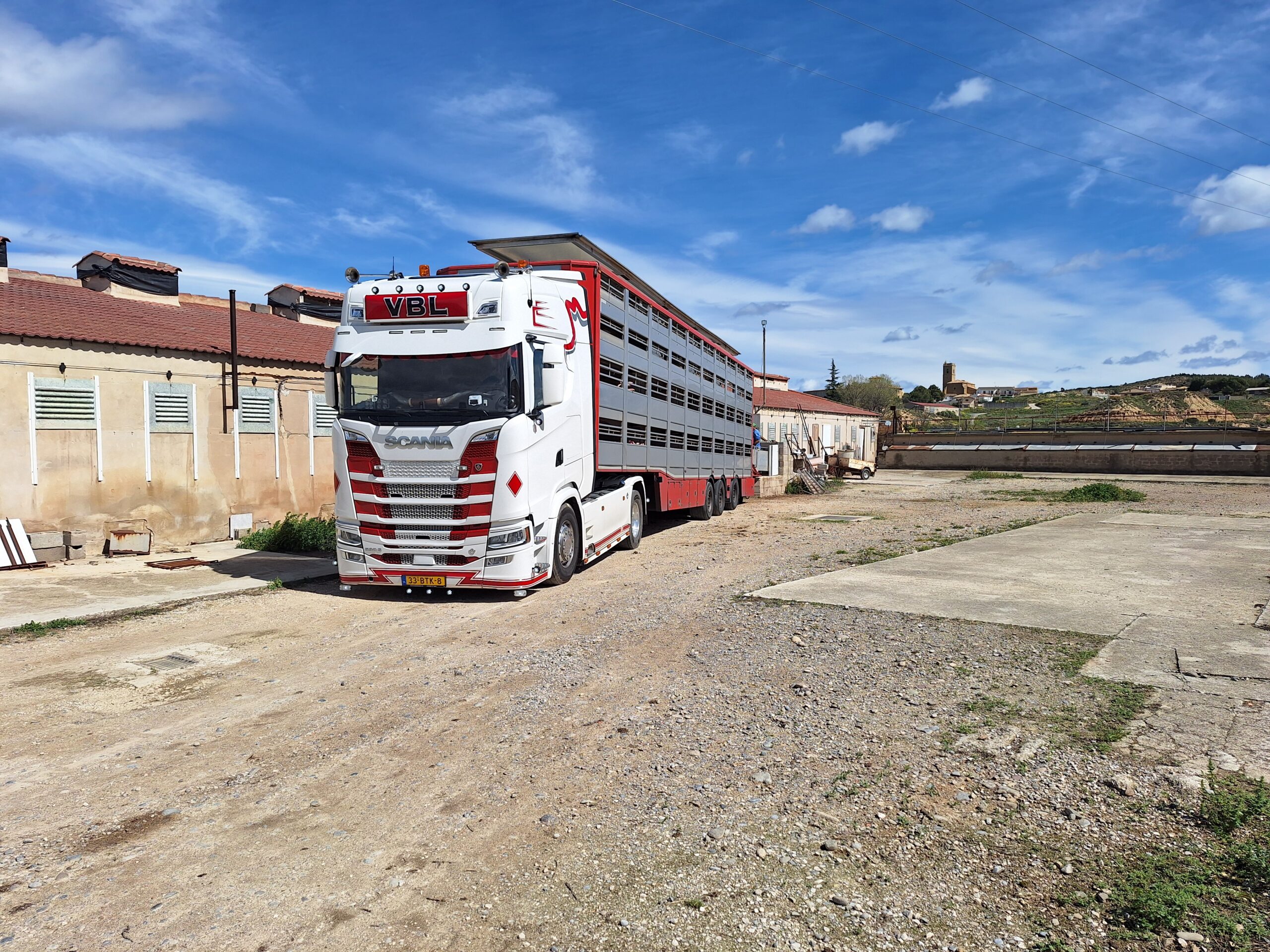
Unloading Dutch piglets in Spain
Unloading Dutch piglets in Spain
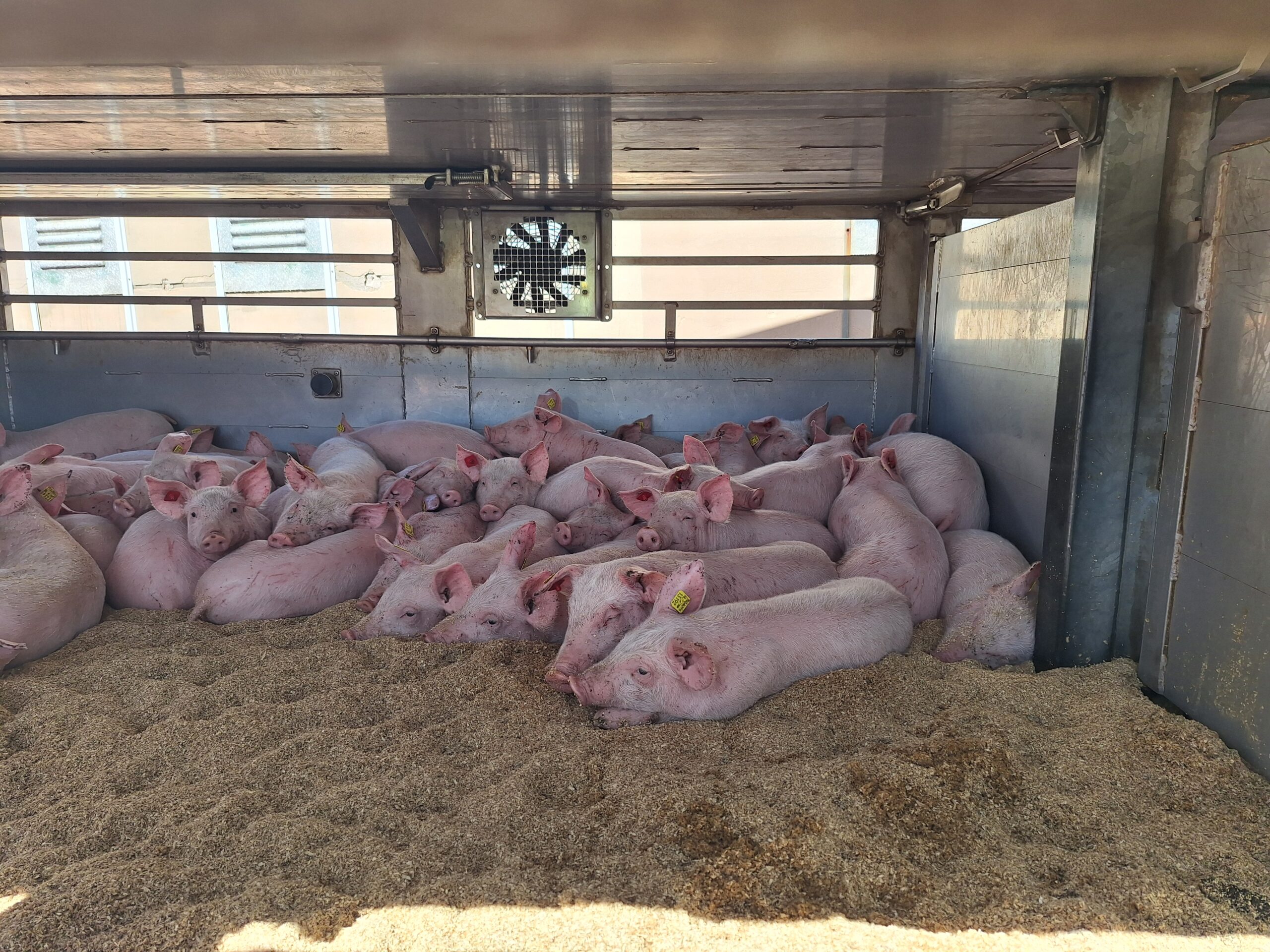
Piglets in transit
Piglets in transit
Spain still needs Northern European piglets
The changes in the Spanish meat market quickly reached the live animal trade. After the outbreak, uncertainty arose about new restrictions. Spanish integrations and fatteners became more cautious and import flows decreased. From January through June 2026, Spain imported 33.7 percent fewer live animals from other EU countries than in the same period of 2025. That is a sharp decline, but it needs context. The year 2025 was exceptionally strong. Spanish imports of live animals that year were 30.2 percent above the average of the previous four years.
This development therefore does not automatically mean that Spain is structurally saying goodbye to Northern European piglets.
Slaughter pig capacity remains
Spain has large fattening and slaughter capacity. That capacity needs to be kept filled. “Our slaughterhouses and meat industry still demand pigs,” says Higuera. “The need remains. The piglet just has to fit the economic reality of the meat market.” That distinction is important. The need for animals does not disappear. The conditions under which trade is possible are changing. That is precisely why Higuera expects that cooperation between Northern European piglet producers and Spanish slaughter pig farmers will remain important.
Europe continues to specialize
Building new sow farms is becoming increasingly complicated in large parts of Europe. Permits, environmental requirements, emissions, water use, animal welfare, and social acceptance all limit the space for expansion. Meanwhile, a highly specialized sector has emerged in Northwest Europe, focused on genetics, sow farming, and piglet production. Spain has other strengths: large fattening capacity, integrated production chains, and a modern meat industry. “Why should we do the same thing everywhere?” Higuera asks. “The specialization of different regions is what makes Europe strong.” A piglet can be born in the Netherlands, fattened in Spain, and ultimately reach a customer elsewhere in Europe or even beyond as a meat product.
It is precisely this international chain that the European pig industry has come to rely on more and more.
Tomorrow’s piglet needs to be more robust
Requirements for the animal are also changing. For years, the focus was on maximum reproduction. More piglets born and higher production per sow were central. Higuera sees a shift toward robustness. “Producers are increasingly asking for strong animals. A sow doesn’t necessarily need to have seventeen live-born piglets if fifteen strong piglets ultimately deliver better results.” In addition to the number of piglets, health, uniformity, growth, and longevity are becoming more important. Higuera sees opportunities in this for Northern European breeding farms. The strong position of this region is not only based on numbers, but especially on knowledge, genetics, and animal health.
Biosecurity becomes non-negotiable
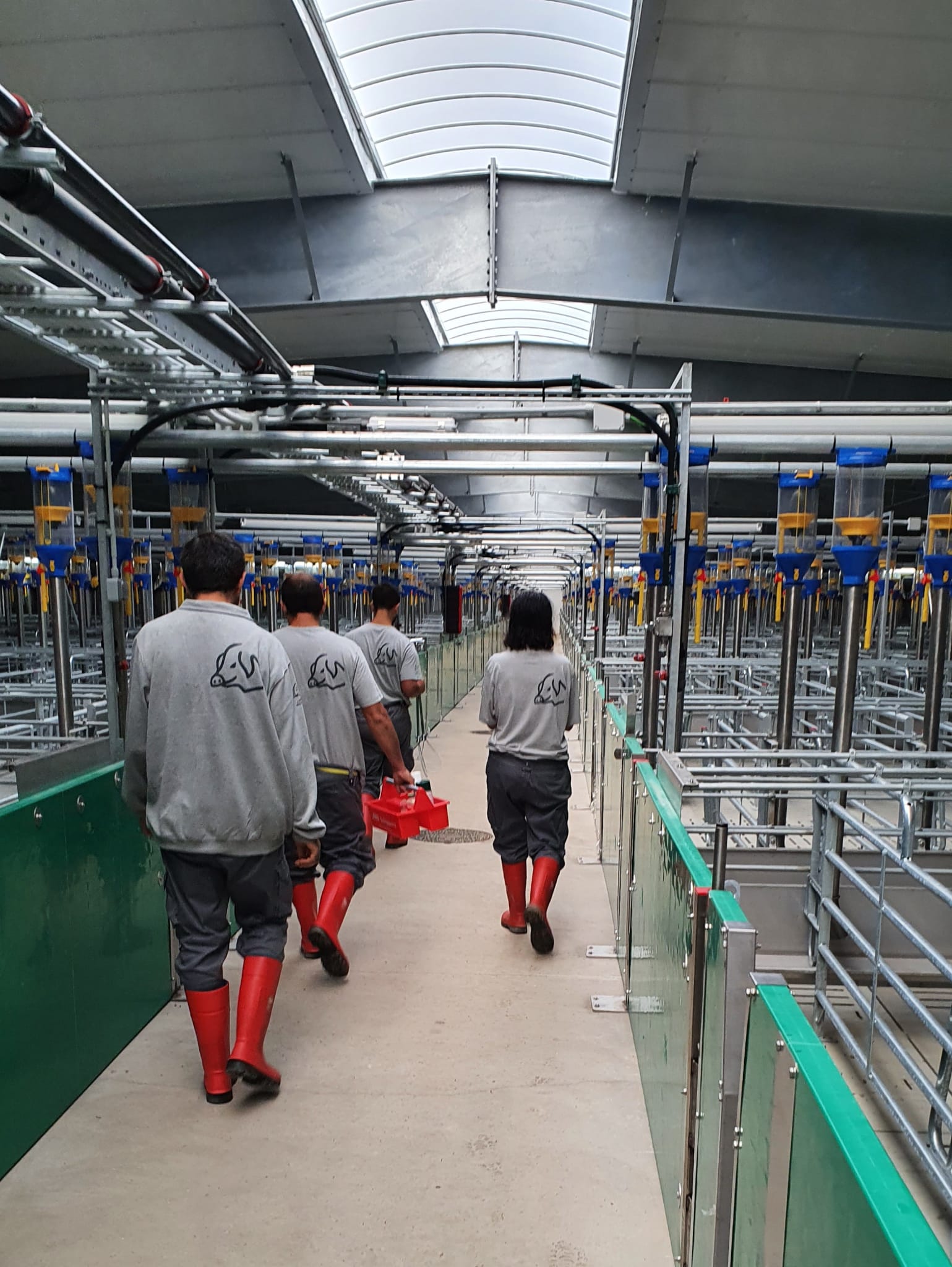
Animal health simultaneously forms the foundation of international trade. ASF has made that clear once again. According to Higuera, biosecurity is not a protocol you implement once. It is daily behavior: on the farm, during transport, when loading and unloading, and during cleaning and disinfection. “You have to carry out biosecurity properly every day. As soon as discipline is lacking somewhere, risk arises.” That makes cooperation within the chain even more important. Because an animal disease does not respect national borders. And neither does a modern European production chain.
Biosecurity becomes non-negotiable
Animal health simultaneously forms the foundation of international trade. ASF has made that clear once again. According to Higuera, biosecurity is not a protocol you implement once. It is daily behavior: on the farm, during transport, when loading and unloading, and during cleaning and disinfection. “You have to carry out biosecurity properly every day. As soon as discipline is lacking somewhere, risk arises.” That makes cooperation within the chain even more important. Because an animal disease does not respect national borders. And neither does a modern European production chain.
Europe will not win the cost price competition
The conversation with Higuera ultimately goes beyond Spain. Behind ASF, trade flows, and production lies a bigger question: How can the European pig sector remain competitive? Higuera doesn’t need long to answer. Competing on cost price, he says, will be extremely difficult. “If we look at the United States or Brazil, they produce under totally different circumstances. With our European regulations, we are not going to win the cost price competition.” Geopolitics is playing an ever greater role. Trade blocs are shifting, and international relations are changing. As a result, decisions made far outside Europe can directly impact the market opportunities for a European pig farmer.
At the same time, regulatory pressure within Europe is increasing. According to Higuera, this calls for a clear choice.
Quality must be valued
When Europe cannot be the cheapest producer, it must distinguish itself in other ways. Quality. Food safety. Traceability. Animal welfare. Animal health. Sustainability. “If we produce under stricter conditions, the market must understand the difference between European meat and meat from other parts of the world.” According to Higuera, this is a task for the entire sector. Not only for pig farmers, but also for slaughterhouses, industry associations, processors, and traders. The European producer bears the cost of higher standards. There must ultimately be value in return.
The market keeps moving
The developments of 2026 mainly show how quickly conditions within the pig sector can change. After a difficult period, the Spanish sector showed signs of recovery towards the summer. According to Higuera, this underlines the importance of adaptability. A strong sector must not only produce efficiently, but also respond quickly when sales markets, animal health, or regulations change. He sees this as a particular strength of the Spanish pig sector.
Not every country its own island
At the same time, Higuera warns against further fragmentation within Europe. When countries develop their own animal welfare systems, labels, or production standards that differ greatly from other member states, new barriers arise. “We must avoid creating isolated markets. A strong European internal market helps us absorb shocks.” That is at the heart of his message. The Netherlands, Spain, Denmark, Germany, or Italy do not all need to build the same pig sector. Their differences are actually a strength, as long as animals and products can move efficiently between the various links.

The most important lesson
That brings us back to November 2025. To the presentation in which Miguel Ángel Higuera explained how great Spain's influence had become. And warned what could happen if ASF reached Spain. The period that followed mainly made visible what already existed. The European pig chain is one network. A changing export flow in Spain affects markets elsewhere in Europe. A change among Spanish fatteners impacts the demand for Northern European piglets. New European regulations affect transporters, traders, and producers in multiple countries. For VAEX, this international playing field is daily practice.
Where production and demand do not arise in the same place, trade is needed to make the connection. Higuera expects that this cooperation will only become more important. According to him, Europe does not need to become the cheapest pig producer in the world. The ambition should be different. Ensuring that customers consciously choose European pork. That requires quality, animal health, efficiency, and a European chain that knows how to connect its various strengths.
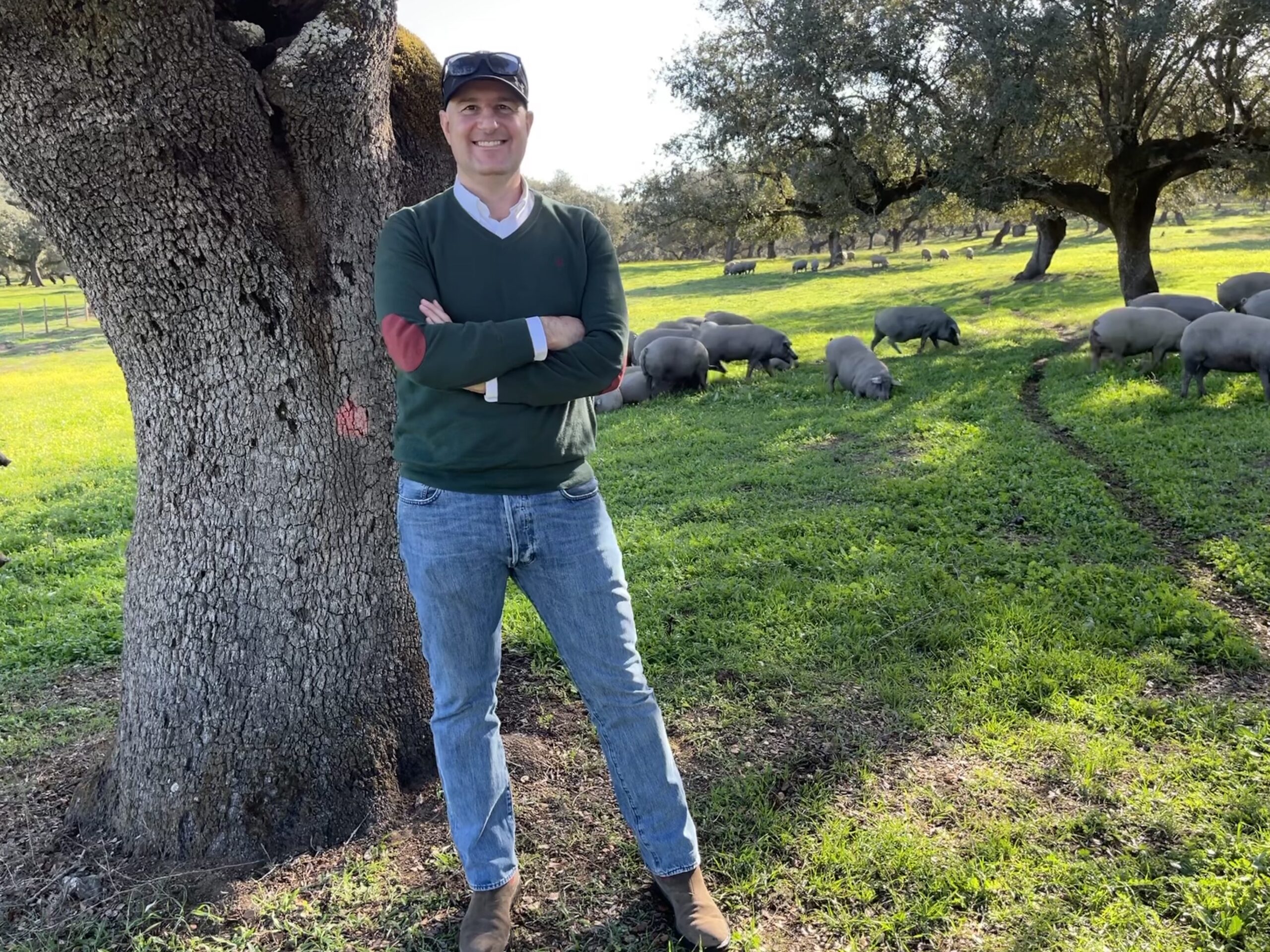
WHO IS MIGUEL ÁNGEL HIGUERA?
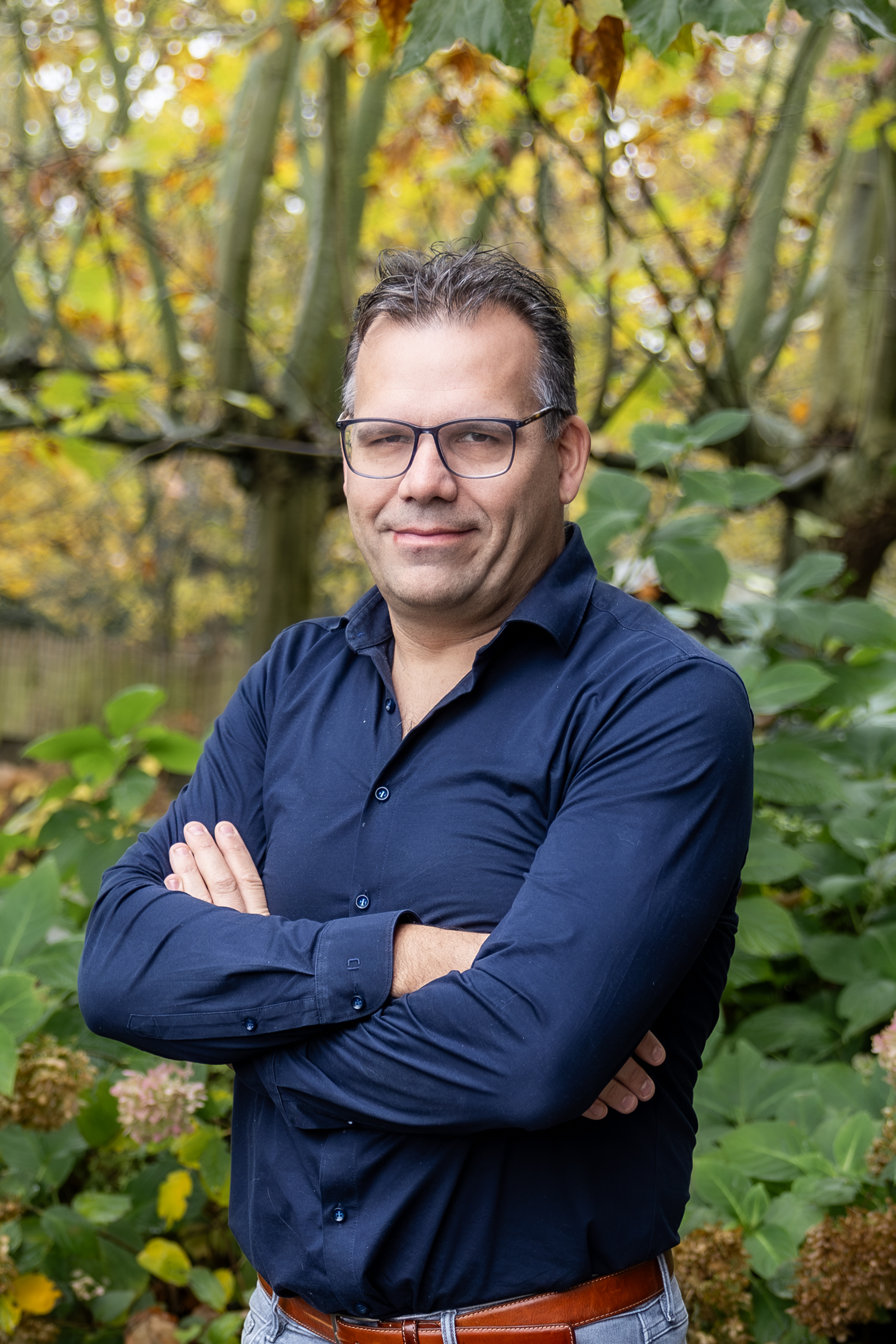
Miguel Ángel Higuera is president of ANPROGAPOR, the Spanish organization for pig producers. In November 2025, during a visit from VAEX and a group of Dutch pig farmers, he gave a presentation about the Spanish pig sector and its position within Europe.
For this edition of VAEX Magazine, we spoke to him again about the developments since then, the impact of African swine fever, and the future of the European pig chain.
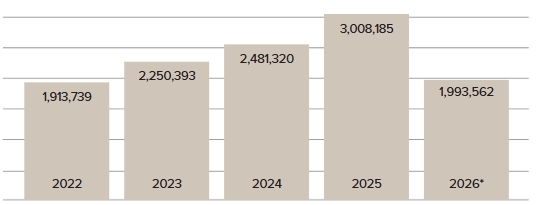
Import of live piglets into Spain from 2022 – 2026

Magazine
Our magazine offers you a glimpse into the world of international pig and livestock trade. With up-to-date market information, inspiring stories, and practical insights. For everyone who wants to stay informed and discover new opportunities.