When the plan changes, the trade begins
On paper, livestock trading seems simple: a supplier has animals, a customer has space, and a transporter moves them from A to B. In practice, plans often change; a permit doesn't come through in time. A market drops out. The temperature along the route gets too high. Or after delivery, it turns out the animals don't fully meet the customer's needs.
With live animals, you can't just wait. Piglets keep growing, a sow farmer keeps producing, and a barn must be filled on time.
That's why international livestock trading is about more than buying and selling. The real value becomes clear when Plan A no longer works.
That's when market knowledge, relationships, and the ability to quickly find a workable alternative count. Below, we share four real-life examples.
#1 The permit doesn't come: from Serbia to Croatia
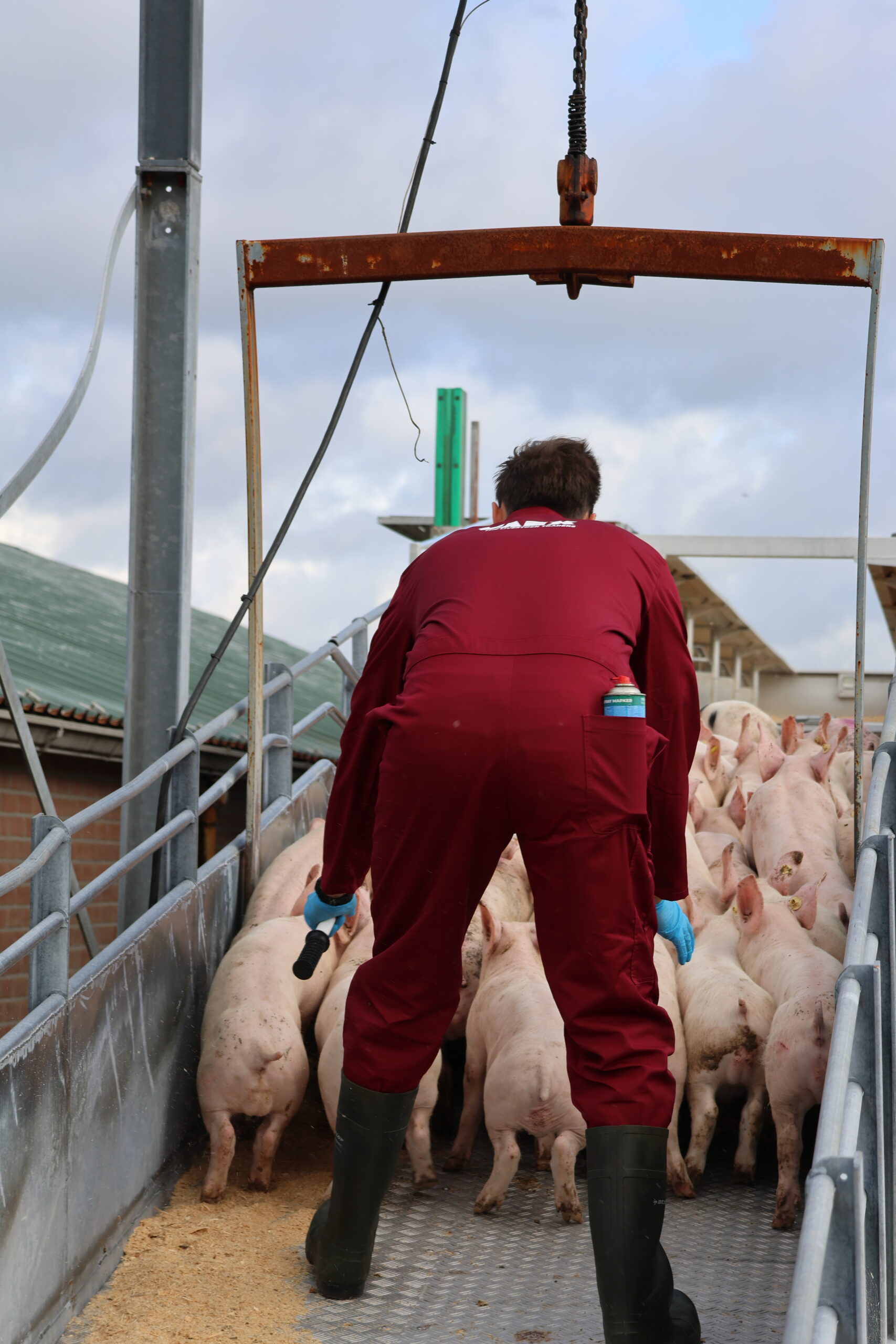
For export to Serbia, an import permit is required. This is often only issued shortly before departure, while the export inspection must be requested earlier. For one scheduled delivery, it turned out on the day of departure that the permit was still not available. The piglets were ready and everything was planned. VAEX could have sent the truck towards Serbia and hoped the permit would arrive en route. Or immediately look for another destination. Mike chose the latter. Through his network, he found a customer in Croatia who could take the piglets.
Together with the local veterinary authorities in Croatia, the necessary changes for TRACES were arranged. The original destination fell through, but the animals could still be shipped.
#2 Spain comes to a halt, production continues
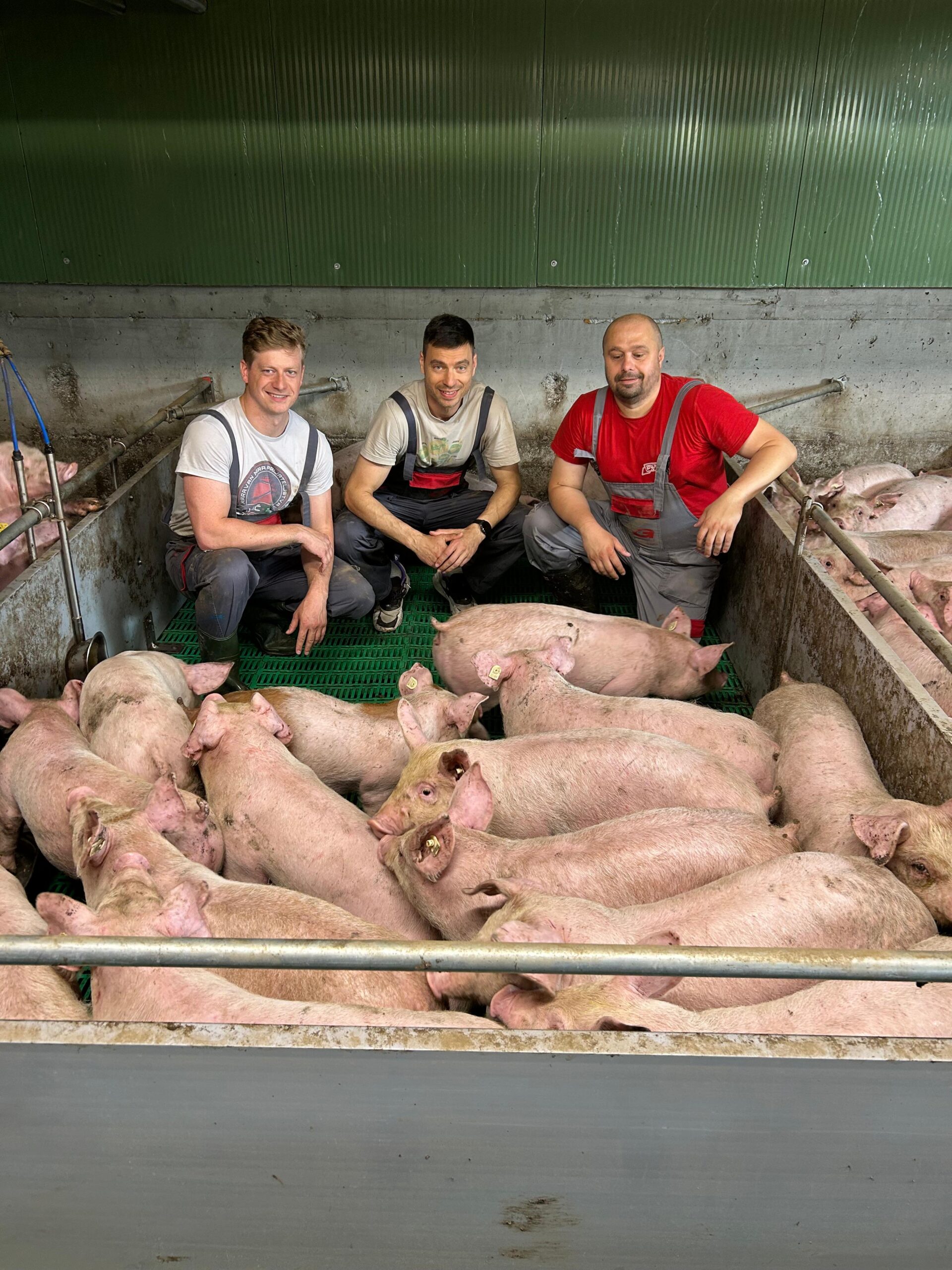
VAEX has fixed agreements with a Dutch breeder for weekly purchase of piglets. When African swine fever was detected in Spain in December 2025, Spanish demand for imported piglets suddenly dropped. For the breeder, one thing didn't change: new piglets were born every week. VAEX did everything possible, in close consultation with the supplier, to find alternative destinations for the piglets in time. Despite heavy pressure on the European market, they managed to place the piglets elsewhere, including in Germany, Austria, and the Netherlands.
Here, flexibility was not just about solving an acute situation. It was also about trust and sticking to long-term agreements.
Dirk Govers
“For me, international livestock trading is all about trust. I try to keep my word and prefer to focus on a long-term relationship rather than short-term profit.”
#3 Almost weather specialists
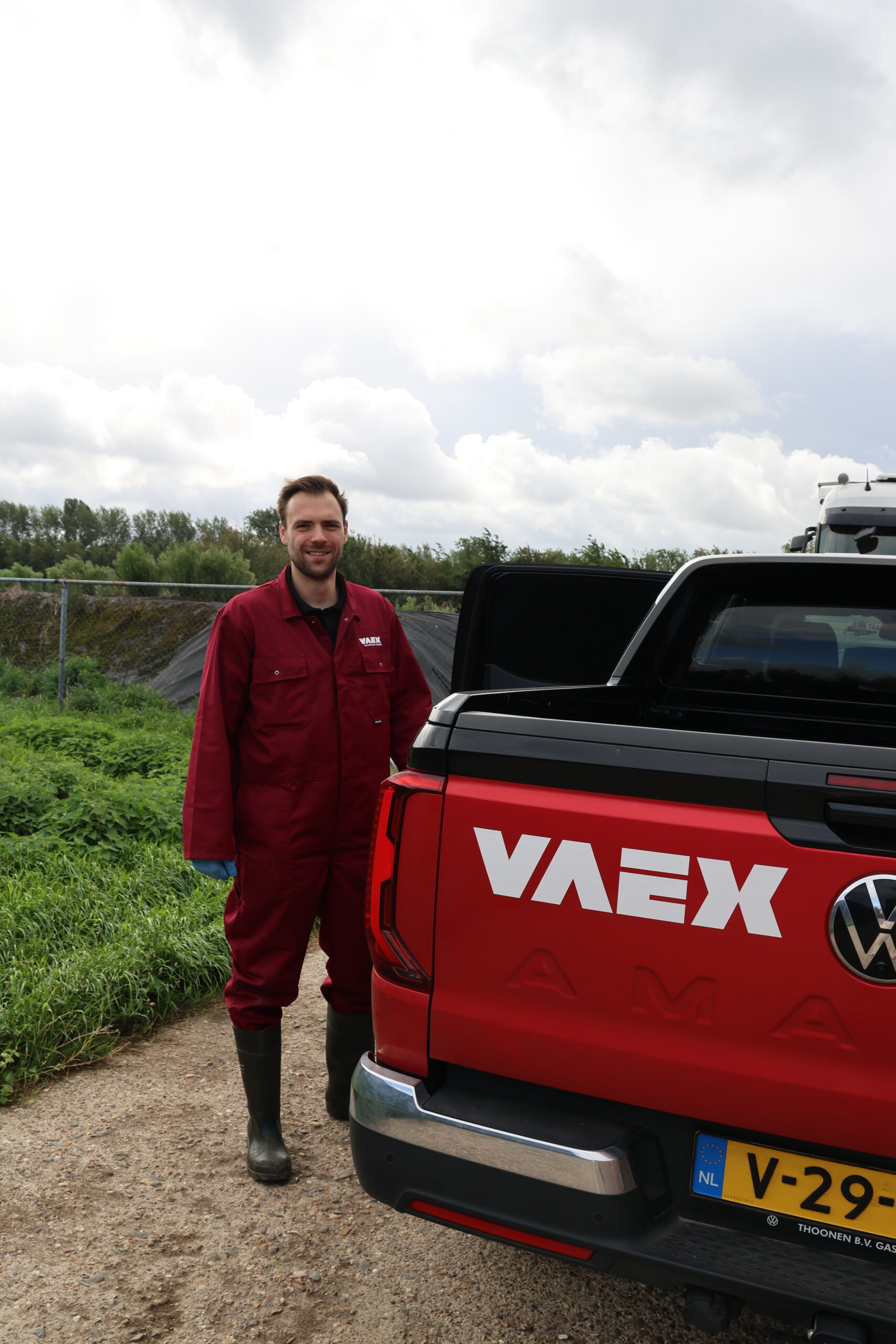
During hot summers, our planners monitor the temperature along the entire route. Just a few degrees can determine whether a transport can go ahead or not.
On the day of departure, the route turned out to be too hot. Postponing offered no certainty, so another destination was immediately sought. VAEX found a customer in Germany. The piglets could leave the same day. The delivery to Italy was rescheduled for a time when conditions allowed. Animal welfare sets the limit. The planning must adapt to that.
Kevin Jans
“In summer, we sometimes feel like weather specialists. A few degrees difference can change the entire plan.”
#4 Sometimes Plan B Leads to a Better Conversation
Since early 2026, VAEX has been purchasing piglets weekly from a Dutch breeder for a Spanish customer. After the first deliveries, the fattener was not completely satisfied. There were losses and an increased PRRS pressure.
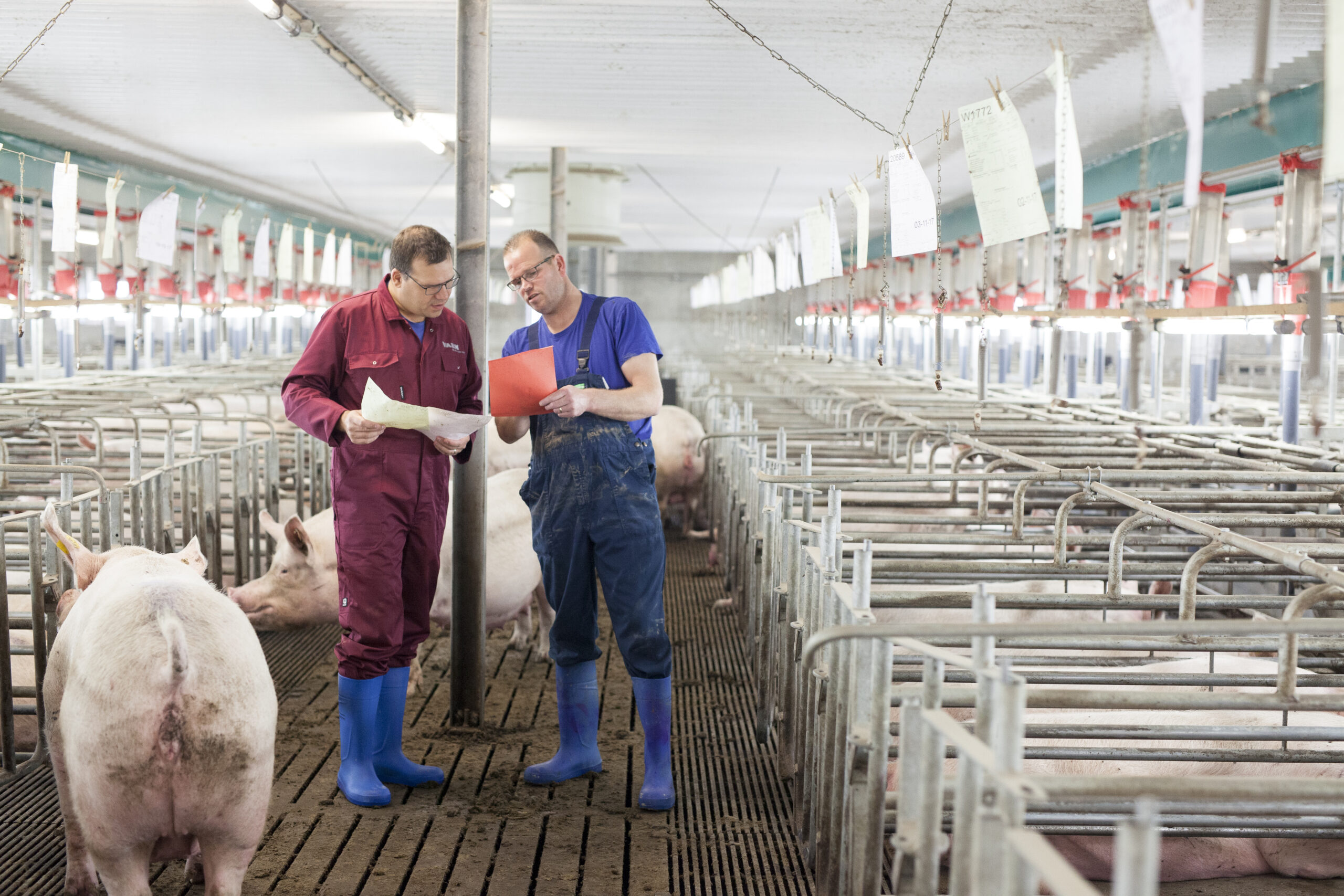
Instead of arguing about who was right, VAEX brought both sides together. A Spanish veterinarian traveled to the Netherlands to join the breeder’s vet in reviewing which adjustments were needed during rearing. The goal: to deliver piglets that better meet the wishes of the Spanish fattener.
Sometimes Plan B isn’t about finding another customer, but about finding a better solution together.
Different Markets, Different Payment Cultures
The Financial Side of International Trade
VAEX usually pays suppliers within 7 to 14 days after loading. For customers, payment terms vary by country and market and can range from 30 to 100 days. The trader bridges that gap between purchasing and selling. At the same time, financial risks are actively managed and, where possible, covered, for example through credit limits, payment agreements, and credit insurance. With several weekly shipments, this financial aspect is also an important part of international trade.
Where Does a Trader’s Value Lie?
These four different situations show the same thing: it’s precisely when the original plan falls through that the value of a trader becomes visible.
Flexibility Starts Before the Problem
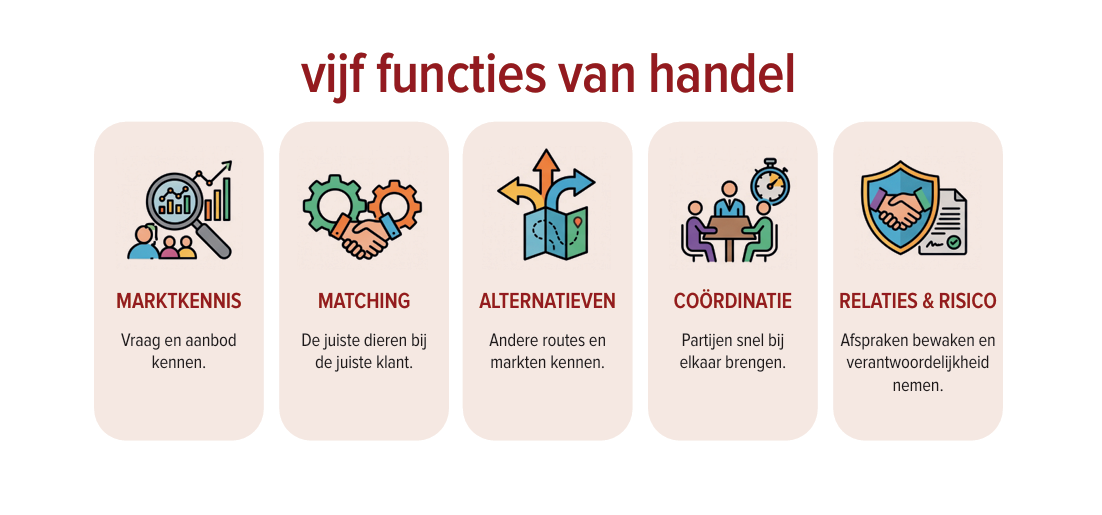
Quick decision-making is only possible when the foundation is already in place: knowledge of suppliers, customers, markets, and alternatives. That’s why a network is more than just a list of contacts. It provides options when the original plan changes.
“The best Plan B doesn’t start when Plan A fails. It already exists before you need it.”

Magazine
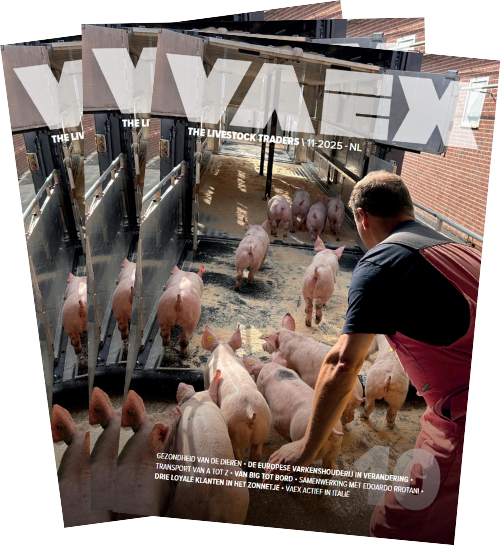
Our magazine offers you a glimpse into the world of international pig and livestock trade. With up-to-date market information, inspiring stories, and practical insights. For everyone who wants to stay informed and discover new opportunities.